


The Wrinkles of Victory: Australia’s Old Guard Gambles Against India’s Fading Pantheon
POLICY WIRE — Melbourne, Australia — The clock, they say, waits for no man. In elite sports, it’s a grim reaper cloaked in physiotherapy appointments — and dwindling strike rates. But not for...

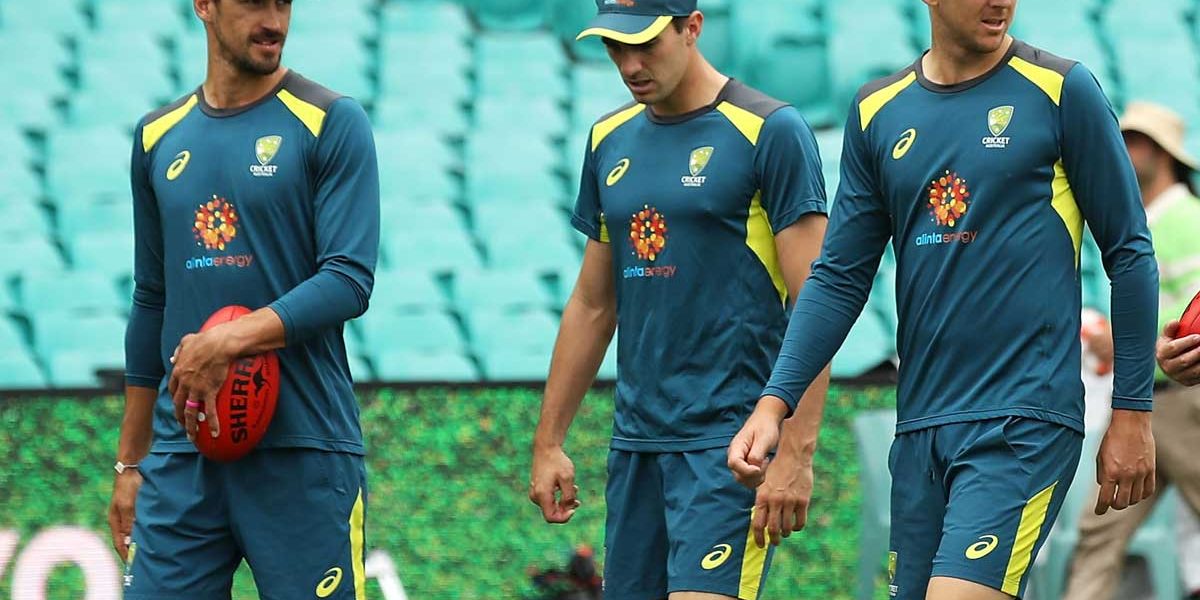
POLICY WIRE — Melbourne, Australia — The clock, they say, waits for no man. In elite sports, it’s a grim reaper cloaked in physiotherapy appointments — and dwindling strike rates. But not for Cricket Australia, it seems. Not for them, the gentle hand-wringing over athletic shelf-life that haunts other nations. Instead, they’ve planted a rather large, unmistakably grey flag, brazenly declaring their aging fast-bowling warlords – Pat Cummins, Mitchell Starc, and Josh Hazlewood – are precisely the right men to lead their 2027 ODI World Cup charge. An audacious bet, really, against the relentless grind of international schedules and the unforgiving calculus of years. Because when you’re a reigning champion, you apparently earn the right to defy Father Time, at least in theory.
Meanwhile, half a world away, a distinctly different drama plays out. India, with its colossal cricket infrastructure — and endless talent pool, is in a state of suspended animation. The whispered ‘dilemma’ over icons like Virat Kohli, Rohit Sharma, and Ravindra Jadeja isn’t a strategy; it’s a silent standoff. Will they? Won’t they? The national selectors dance around the inevitable, carefully resting a limb here, acknowledging fitness woes there. It’s a study in contrasting philosophies: Australia’s defiant roar versus India’s polite cough, as if hoping the problem will simply – poof! – vanish. Don’t kid yourself. It’s not just about player selection; it’s about a deeper, systemic understanding of legacy — and future.
Andrew McDonald, Australia’s head coach, put it plainly enough when queried about their formidable trio’s fitness regimens and perceived longevity. “We’re planning for them to be there in 2027,” he stated, his tone firm. Not a ‘hope to,’ or ‘maybe if.’ Just ‘are planning.’ It suggests a carefully constructed narrative, an institutional resolve. But it’s also a stark recognition that you don’t discard battle-hardened wisdom lightly, especially when trophies are at stake. Karen Blocker, a Cricket Australia board member, reiterated this point with a touch more bluntness, stating, “These aren’t just cricketers; they’re institutional knowledge, built on decades of grit. You don’t retire that; you harness it. We’ve got younger blokes coming up, sure, but the brutal alchemy of instant resets often falls flat when it really counts.”
And really, why not? Starc — and Hazlewood will be pushing 38 and 37 respectively by 2027; Cummins, a relative spring chicken at 34. Yet, between August 2026 and the World Cup, they’re set to endure approximately 20 Tests, according to ICC event scheduling data, alongside the brutal rhythms of white-ball cricket. That’s a punishing schedule even for younger athletes, let alone veterans. This calculated gamble is underpinned by a fierce belief in experience, that tournament nous trumps youthful exuberance in high-pressure World Cup scenarios.
Conversely, India’s narrative is murkier. Rohit — and Kohli have already stepped away from Tests and T20Is. They’re now one-format specialists, their bodies carefully managed for the ODI grind. But is that enough? Kohli’s fitness remains top-tier, a testament to discipline, but Rohit’s recent struggles during the IPL season — a season that for some, has devolved into its own kind of high-stakes geopolitical drama, albeit sporting – raise valid eyebrows. Jadeja’s recent rest periods only thicken the plot, fueling talk of a transitional phase that feels less like a deliberate strategy and more like a reluctant concession to biological realities. Indian selectors find themselves in the unenviable position of balancing adoration for past glories with the pragmatic need to build for the future. It’s a tightrope walk without a net.
📄 POLICY WIRE WHITEPAPER PUBLISHED: PAKISTAN'S NATIONAL SECURITY POLICY PRIORITIES
👉 READ BY CLICKING HEREBut this isn’t just about Australia versus India. The global cricketing landscape is deeply interconnected. Australia’s conscious decision to manage their stars includes resting them from upcoming tours of Pakistan and Bangladesh. This impacts not only player workloads but also the commercial and developmental opportunities for nations like Pakistan, where visits from top-tier teams remain crucial for both revenue and local cricket enthusiasm. It underscores how the choices of cricketing giants echo through the sport’s economy, influencing everything from broadcasting rights in Lahore to grassroots participation in Dhaka. And frankly, those smaller tours, often seen as mere warm-ups, are the very lifeblood for cricket in many developing nations, often operating with leaner budgets and greater reliance on big-name drawcards. The health of a veteran Australian pacer can, oddly enough, affect a young bowler’s dreams in Karachi.
What This Means
The divergent paths chosen by Australia — and India reveal a deeper political economy at play in elite sports management. Australia’s unwavering backing of its older guard reflects a top-down, almost corporate confidence in known commodities for high-stakes tournaments. It’s a calculated risk, driven by the belief that seasoned winners, however creaky, are less prone to error under pressure. They’re betting on accumulated wisdom — and a championship pedigree to overcome the raw physical advantages of youth. Economically, this translates to maximizing return on established brands; these players aren’t just athletes, they’re revenue generators and morale boosters, a powerful signal to fans and sponsors alike.
For India, the hesitation is telling. It points to a more democratic — or perhaps, committee-driven — decision-making process within the BCCI, one perhaps more sensitive to public opinion and the perceived need for ‘fresh blood’ in a talent-rich nation. This indecision could breed uncertainty within the squad and among fans, impacting team cohesion and long-term planning. Politically, the lack of a clear succession plan for such beloved figures could become a public relations challenge, if not handled deftly. The ‘golden generation’ can’t last forever, and refusing to acknowledge that explicitly only kicks the can down the road. It also suggests that, while Australia has decided how to face its sunset, India is still squinting into the glare, unsure if it’s dawn or dusk.
📖 GET YOUR FREE COPY NOW OF POLICY WIRE DIGITAL MAGAZINE JULY 2026 EDITION
👉 READ & DOWNLOAD FREE MAGAZINE