


The UN’s Routine Tragedy: Kyiv Drags Council Back to its Worn Stage After Latest Russian Blitz
POLICY WIRE — New York, United States — The script’s been written, and performed, too many times. You’d think the global audience would tire of the same tired act. But here we’re again, Kyiv...

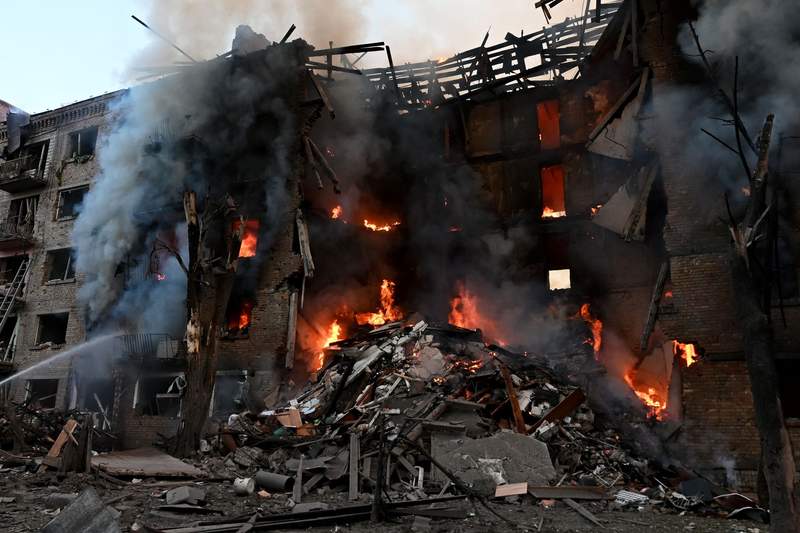
POLICY WIRE — New York, United States — The script’s been written, and performed, too many times. You’d think the global audience would tire of the same tired act. But here we’re again, Kyiv dragging the United Nations Security Council back to its grand, gilded chambers after a particularly savage flurry of Russian missiles rained down on its cities, hitting civilian targets, rattling the foundations of whatever passes for peace in the modern age. It’s not a novel scene; we’ve seen it play out for months, each urgent plea for a meeting feeling less like a crisis and more like—well, like Tuesday.
Ukrainians, it seems, continue to believe in the international body’s theoretical teeth. Or maybe they just know it’s the only stage they’ve got left to shame Moscow, even as Moscow sits comfortably with its veto pen, ready to scrawl ‘no’ across any resolution that dares challenge its brutal incursions. This time around, President Volodymyr Zelenskyy’s government invoked Article 35 of the UN Charter, effectively forcing the emergency discussion. Because that’s what we do. We talk. We debate. And the bombs keep falling.
But can this latest dramatic appeal genuinely shift the narrative, or is it just more of the same predictable diplomatic theater? Ukraine’s Permanent Representative to the UN, Sergiy Kyslytsya, didn’t mince words, though he knows the usual outcomes. “Russia’s sustained aggression isn’t just an affront to Ukraine’s sovereignty; it’s a direct assault on the principles the United Nations was founded upon,” Kyslytsya reportedly stated in a prepared statement to the press ahead of the session, his voice probably weary, though his conviction unyielding. “The world must not—cannot—look away, no matter how inconvenient.”
Meanwhile, Moscow plays its well-practiced role. Dmitry Polyanskiy, Russia’s Deputy Permanent Representative, has consistently dismissed Ukrainian appeals as “baseless provocations,” blaming Kyiv for escalating tensions. “Ukraine’s constant theatrical performances at the Security Council are designed to distract from its own failures and its reliance on Western puppeteers,” Polyanskiy has previously commented, though he undoubtedly recycled similar rhetoric for this occasion, painting Russia’s strikes as proportionate responses to vaguely defined ‘threats’. You know the drill.
The impact of this protracted conflict, let’s not forget, isn’t confined to Ukraine’s borders or the stuffy halls of the UN. It echoes across the globe, rattling vulnerable economies. Just look at how it’s hit nations like Pakistan, which relies heavily on imported energy and faces mounting food insecurity. Global energy prices, fueled partly by this European rumble, soared by 60% in 2022, according to the World Bank, hitting ordinary people in places like Karachi or Lahore right where it hurts: their wallets and dinner tables. The domino effect is staggering. And while the world focuses on Kyiv, other quiet crises, sometimes in the Muslim world, fester, starved of attention. People in Gaza, for instance, just faced their third Hajj denial. Their sacred journeys blocked by different geopolitics, but just as brutal in human cost.
📄 POLICY WIRE WHITEPAPER PUBLISHED: PAKISTAN'S NATIONAL SECURITY POLICY PRIORITIES
👉 READ BY CLICKING HEREThis endless cycle of aggression — and diplomatic protest raises a question: What’s the endgame here? Russia keeps hitting. Ukraine keeps pleading. The West keeps sending aid. The UN keeps holding meetings that usually end in a whimper, thwarted by the very structures meant to prevent war. It’s a cruel loop, — and millions are trapped in its spin. And despite Russia’s best efforts to control its internal narrative, some truths seep through the cracks, even as Kremlin’s digital leash occasionally fails to contain dissent.
What This Means
Politically, this latest UNSC convocation isn’t likely to alter the war’s trajectory in any substantial way. Moscow’s stance is rock-solid, backed by its veto power, effectively rendering the Council paralyzed on issues directly involving its aggression. What it does, though, is keep the war visible. It forces members to publicly state their positions, which in itself is a small victory for Kyiv—a refusal to let the world normalize Russian expansionism. Economically, the continuous bombardment suggests a grim winter for Europe’s energy markets, and a further squeeze on global supply chains for everything from grain to critical metals. For developing nations, particularly in South Asia and parts of the Muslim world already wrestling with debt and climate change, this sustained instability acts as an economic drag chute, hindering any real prospect of recovery. We’re talking food inflation, energy spikes, and an exasperating distraction from domestic governance issues that urgently need solving. This isn’t just about Ukraine anymore; it’s a festering wound bleeding into the entire global body politic.
—Policy Wire
📖 GET YOUR FREE COPY NOW OF POLICY WIRE DIGITAL MAGAZINE JULY 2026 EDITION
👉 READ & DOWNLOAD FREE MAGAZINE