


The Absurd Spectacle: A Season’s Final Whimper in Serie A
POLICY WIRE — Parma, Italy — The final whistle pierced the air at Stadio Ennio Tardini, not with a roar of triumph, but with a palpable sigh of collective relief. Parma had eked out a 1-0 victory...

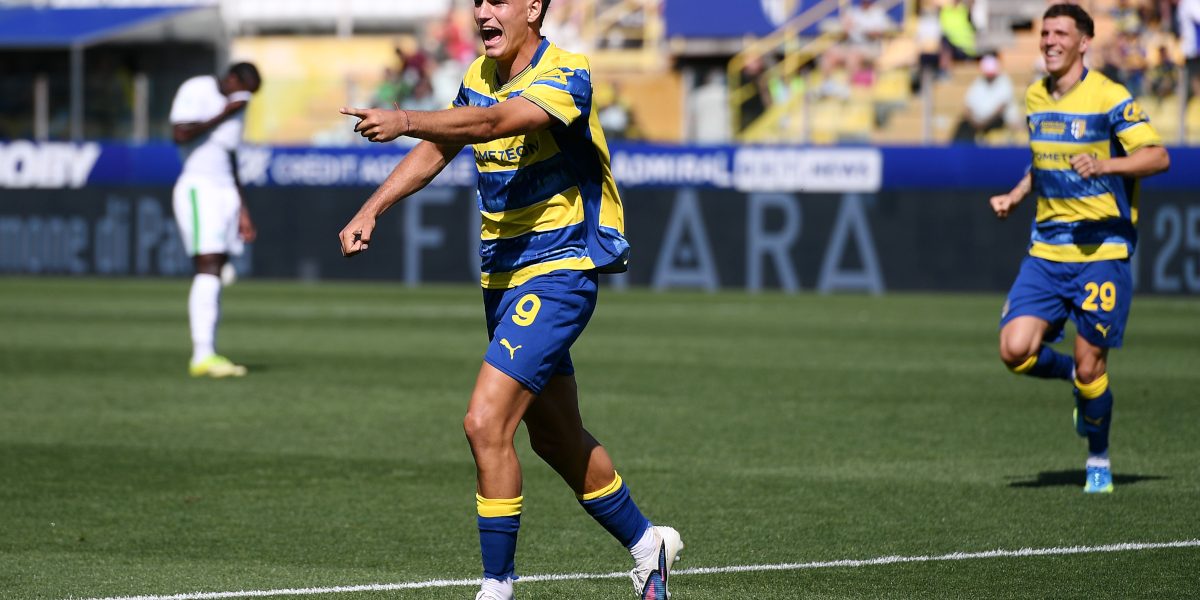
POLICY WIRE — Parma, Italy — The final whistle pierced the air at Stadio Ennio Tardini, not with a roar of triumph, but with a palpable sigh of collective relief. Parma had eked out a 1-0 victory against Sassuolo, a win sealed by Mateo Pellegrino’s improbable late header. But let’s not pretend this was a climactic battle. This was the footballing equivalent of sweeping confetti after the party’s long over—a dead-rubber derby, played by teams whose thoughts were clearly on summer holidays, and whose coaching staffs were already scouting their next gigs. It’s a snapshot, really, of modern football’s strange blend of hyper-commercialism and profound human indifference when the stakes dwindle.
Because, honestly, who was really watching this one for the ‘beautiful game’? Not the players, judging by the rolls of bandages — and the mental fatigue on display. Parma paraded a line-up that felt more like an injury ward overflow: Suzuki, Elphege, Bernabé—the list of absentees stretched on. Sassuolo wasn’t much better, missing key figures like Walukiewicz — and Vranckx. Both sides had secured their mid-table safety weeks ago. And this game, well, it existed. A fixture requirement, perhaps, but certainly not a spectacle anyone’d write home about, unless they were critiquing the current state of athlete welfare or the soul of the sport itself.
And yet, a ghost of competition still lingered. Pellegrino’s 80th-minute header, his sixth of the season (a stat that, per Serie A data, tops the league for headed goals), ensured Parma snagged three points they didn’t exactly need. Pontus Almqvist, who’d already sent a curler clanging off the woodwork, delivered the decisive cross. But this wasn’t about heroics. It was about contractual obligations. About professional pride, sure, but buried under layers of weariness. Even Daniel Mikolajewski, after a tepid punch from the keeper, couldn’t find the finish. It tells you something when both keepers, Corvi for Parma and Turati for Sassuolo, felt more decisive making routine saves than any outfield player felt making a meaningful attack.
“Look, we gave what we had left. It’s never easy when half your lads are either bandaged up or mentally on the beach,” Sassuolo coach Fabio Grosso told Policy Wire after the match, his face etched with a mix of resignation and professional obligation. “But you don’t forget the shirt, do you? Whatever comes next, you don’t.” He sounds like a man weighing his options. Carlos Cuesta, the Parma gaffer, offered a similar, if slightly more upbeat, assessment: “Victory’s always sweet, even when it feels like… well, a practice match. The boys showed grit. But let’s be honest, we’re all looking at the summer, figuring out where we land. This game was more about personal futures than club points.”
📄 POLICY WIRE WHITEPAPER PUBLISHED: PAKISTAN'S NATIONAL SECURITY POLICY PRIORITIES
👉 READ BY CLICKING HEREIt’s this human element—the job security, the constant churn of talent, the grind—that makes these otherwise unremarkable matches faintly interesting. They’re not just about 22 men chasing a ball; they’re about economic decisions — and the fickle nature of fan loyalty. This game, watched by hardcore fans in Italy, was also piped into homes and sports cafes across the globe, from Jakarta to Karachi. Imagine the fervor in a Lahore coffee house where fans of Italian football gather, dissecting even the nuances of a meaningless mid-table clash. Even with its depleted ranks, Serie A maintains a certain magnetic pull, especially in regions like South Asia and the Muslim world, where European football is an almost religious obsession. It’s a testament to the league’s pervasive branding that a match with no material stakes still commands such distant, dedicated eyeballs. The financial pipelines linking these European clubs to their global fan bases are, in fact, quite robust, making even these quiet season-enders a piece of a much larger, wealthier pie.
What This Means
This match, a polite, weary handshake at the end of a long season, signals deeper trends within European club football, particularly outside the financial elite. What we saw wasn’t just two teams playing out the string; it was a symptom of squad rotation pushed to its limit, a tacit acknowledgment that player health and contract negotiations now often outweigh mere pride in the final weeks. For clubs like Parma and Sassuolo, nestled comfortably in mid-table, the true battles are often fought off the pitch—retaining talent, balancing books, and scouting for next year’s bargain. It reflects an economic landscape where staying put often means losing your best players to richer clubs, even within the same league. The harsh realities of club economics are relentless. These dead rubbers aren’t just wasted airtime; they’re the quiet indicators of strategic shifts, salary cap pressures, and the constant, precarious tightrope walk of remaining relevant without a bottomless transfer budget. Coaches leave. Players get moved on. It’s not just a game; it’s a cold, hard business.
📖 GET YOUR FREE COPY NOW OF POLICY WIRE DIGITAL MAGAZINE JULY 2026 EDITION
👉 READ & DOWNLOAD FREE MAGAZINE