


Foul Play: The Precarious Economics of Peak Performance and Broken Streaks
POLICY WIRE — Washington D.C. — Some days, the floor just drops out. You’re riding high, maybe feeling a bit invincible, — and then – *poof* – the air goes right out of the balloon. It happens...

POLICY WIRE — Washington D.C. — Some days, the floor just drops out. You’re riding high, maybe feeling a bit invincible, — and then – *poof* – the air goes right out of the balloon. It happens in politics, in markets, and, yes, even on the seemingly inconsequential diamond where mere mortals in funny pants chase balls. And lately, those sudden shifts feel more like the rule than the exception, don’t they?
Down in Arizona, the Diamondbacks recently got a hard lesson in that particular truth. One moment they were sailing, then bang, an ignominious defeat by the supposedly ‘lowly’ Colorado Rockies. Forget the headline – the real story’s a microcosm of high-stakes environments everywhere: the fleeting nature of dominance, the cruel arithmetic of human capital, and the sheer audacity of expecting predictability in anything, especially when massive investments are on the line. It’s a rough business, this expectation game. This isn’t just about bat-and-ball; it’s about the relentless, grinding pressure of return-on-investment, a theme familiar to boardrooms from New York to Karachi.
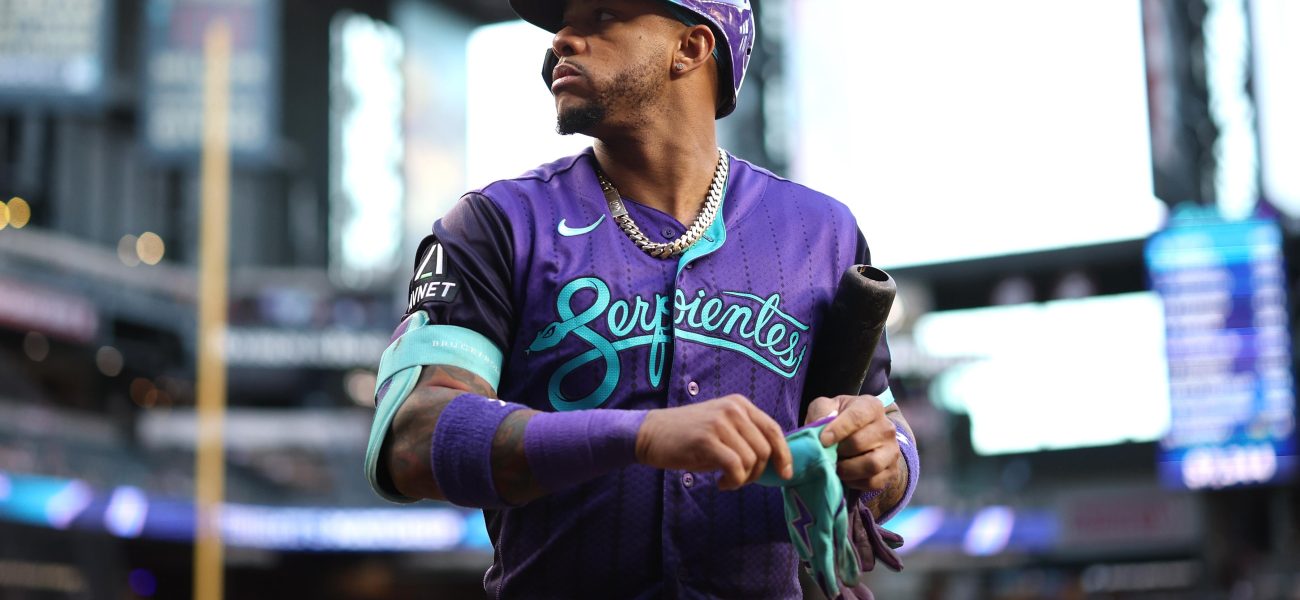
Consider the cautionary tale of Lourdes Gurriel Jr., whose 2026 debut on April 18th, a hard-won triumph against a devastating torn ACL suffered last September, has already hit a snag. Hamstring tightness. One small muscle, a whole heap of worry. That’s a body under incredible duress, a testament not just to an athlete’s grit, but to the multi-million dollar gamble his team placed on his recovery. How do you quantify that risk? It’s like pouring state funds into a promising infrastructure project, only for an earthquake – or, in this case, a muscle twinge – to put everything on hold. It leaves analysts wondering: what’s the true cost of bringing back a once-elite asset from severe physical and financial depreciation?
But it’s not only physical collapse that unravels the carefully constructed narratives. Michael Soroka’s recent outing for the Diamondbacks, by all accounts, was better than the scoreboard suggested. Still, ‘deserved better’ doesn’t buy wins, nor does it placate shareholders or fans. And then there’s Zac Gallen. The man’s a wizard, or at least he was. But without his usual whiff-generating fastball, they’re saying he needs to ‘evolve.’ That’s code for: adapt or become a diminishing asset. It’s a mandate we hear constantly from industrial titans to tech startups – innovation isn’t optional; it’s the bare minimum for survival. And sometimes, you’ve just got to find a new pitch—or a new market strategy—or you’re out.
Because the brutal truth is, baseball, much like any market-driven sector, functions on narratives — and performance. “Look, one day you’re up, the next you’re not. Doesn’t matter if it’s the D-backs or the Dow Jones. We’ve always gotta expect the unexpected,” offered Clara Rodriguez, a Senior Economic Advisor to the Treasury Department, in a recent Policy Wire interview. That sentiment cuts right through the noise, reminding us that volatility is baked into the cake.
Over in the American League, the Los Angeles Angels, long a financial juggernaut, finally seem poised to face their reality. An ‘overhaul’ isn’t just about trading a few players; it’s a structural realignment, an admission that previous strategies simply didn’t work. It’s an exercise in creative destruction that many legacy industries have found themselves undertaking, often a decade too late. When does the cost of maintaining the status quo finally outweigh the pain of a complete reset?
📄 POLICY WIRE WHITEPAPER PUBLISHED: PAKISTAN'S NATIONAL SECURITY POLICY PRIORITIES
👉 READ BY CLICKING HEREMeanwhile, across the league, other stories quietly brew. Gerrit Cole, pitching his first competitive innings since the 2024 World Series, delivered six shutout frames. That’s a veteran asset delivering when it counts, demonstrating why established talent, when properly managed and allowed to recuperate, can still anchor a portfolio. And then there’s Cristopher Sánchez, blazing an improbable trail, with a staggering 37.2 scoreless innings – the longest streak by a Phillies pitcher in over a century. That’s the sudden, electrifying emergence of undervalued talent, something every investor, every policymaker hopes for: the low-cost acquisition that defies all projections.
But the true silent success story might belong to Miguel Andújar. The Padres picked him up, probably for a song, and the 31-year-old is quietly churning out an ‘impressive, consistent offensive season.’ He’s the antithesis of the flash-in-the-pan, a steady performer proving that shrewd valuation of human assets—or undervalued securities, depending on your frame of reference—can still yield considerable returns, especially when challenging established giants. Sometimes, a discarded player upends the cold calculus of the market. The sports industry, with Forbes reporting the average MLB franchise value exceeded $2.3 billion in 2024, is a potent illustration of how global capital continues to chase ever-elusive performance peaks.
“The allocation of talent, and its vulnerability to unforeseen events like injury or shifting market demand, remains a profound challenge—whether you’re talking about elite athletes or the skilled labor force needed to build a nation’s future,” remarked Dr. Arshad Khan, an economist specializing in South Asian labor markets, speaking from Islamabad. His observation cuts to the quick, connecting the seemingly trivial swings of American pastime to the larger, weightier matters of national development and global human resource strategy. Because even half a world away, the principles of investment, risk, and return remain stubbornly universal, creating a silent squeeze on economies small and large alike, much like the ongoing economic undercurrents felt across South Asia.
What This Means
These vignettes from America’s national pastime, while seemingly niche, offer pointed lessons for the broader political economy. First, the human element—fragile, unpredictable, yet supremely valuable—remains the ultimate x-factor in any grand strategy. Investing in human capital, whether an athlete or an emerging market’s workforce, always carries inherent, unquantifiable risk. The sheer monetary outlay in modern sports reflects a societal gamble on individual performance that few other sectors match, but its echoes are felt in every venture capital decision, every strategic aid package.
Second, success is transient. Streaks end. Markets correct. Political tides turn. The ability to pivot, to evolve a core strategy (like Gallen needing to find a new pitch), becomes non-negotiable. these stories highlight the continuous dance between managing costly established assets (the injured veteran, the underperforming star) and identifying undervalued potential (the consistent role player, the breakout newcomer). It’s a strategic tension present in everything from corporate mergers to global alliance building. And as global media compresses distances, even the nuanced fluctuations of a domestic sports league contribute, however faintly, to the intricate, noisy soundtrack of worldwide economic chatter, reminding us that every investment, every aspiration, ultimately comes down to someone’s performance, somewhere, against unforgiving odds.
📖 GET YOUR FREE COPY NOW OF POLICY WIRE DIGITAL MAGAZINE JULY 2026 EDITION
👉 READ & DOWNLOAD FREE MAGAZINE