

Scorched Earth Diplomacy: South Asia’s Hellish Summers Reshape Global Climate Gambit
POLICY WIRE — Islamabad, Pakistan — The air in South Asia, thick and viscous as slow-curing asphalt, doesn’t merely warm; it broils. Residents in Lahore and Lucknow have, for seasons now,...

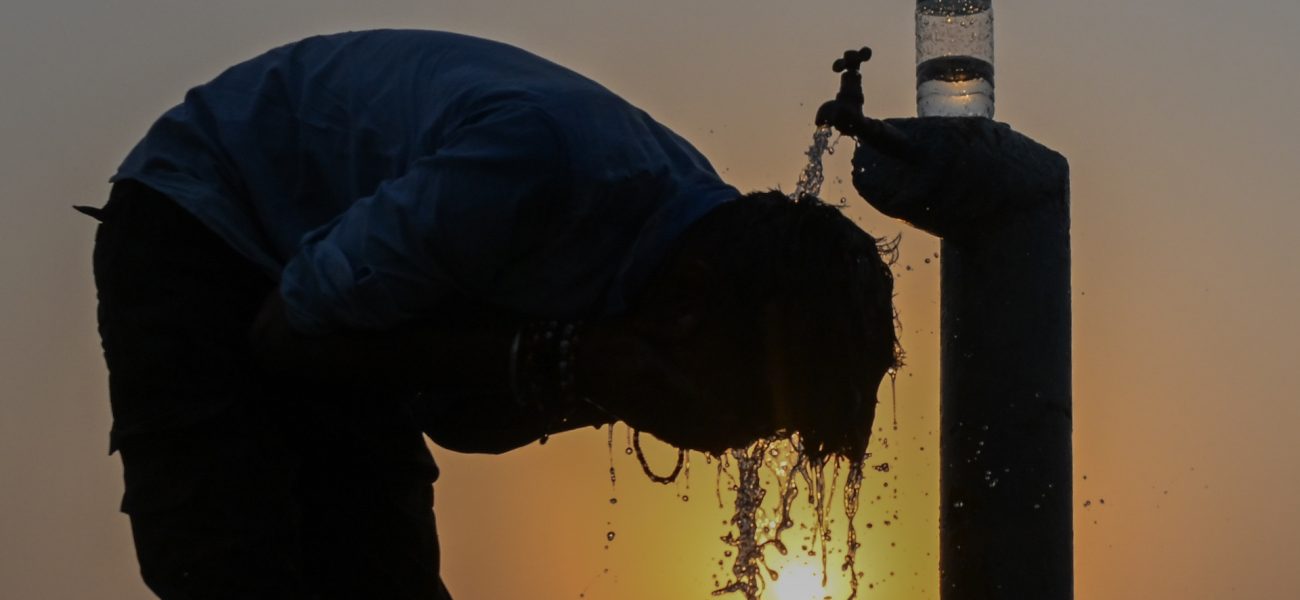
POLICY WIRE — Islamabad, Pakistan — The air in South Asia, thick and viscous as slow-curing asphalt, doesn’t merely warm; it broils. Residents in Lahore and Lucknow have, for seasons now, treated the relentless sun not as a seasonal discomfort but as a malevolent, immovable entity, casting long shadows of resignation over daily life. But what once felt like a natural—if brutal—rhythm has morphed into something far more sinister: a scientific pronouncement on existential dread. Turns out, this region’s recent stretch of oven-hot misery wasn’t just a bad summer. Nope. It was humanity’s collective bill coming due.
Because scientists now tell us this particular brand of furnace-like heat that gripped India and Pakistan—the kind that melts roads and shrivels crops—has been made a staggering three times more probable by human-induced climate change. Let that sink in. It’s not just bad luck. It’s cause — and effect, served up with a side of staggering temperatures and soaring mortality rates. This isn’t a future warning; it’s a very present, sweaty reality.
And for millions living in this densely populated, politically fraught crescent, the implications are chilling, literally. Consider the informal labor force: daily wage earners, construction workers, street vendors. For them, ‘work from home’ is an alien concept. They’re out there, under a sky that feels like a magnifying glass, watching their meager income evaporate alongside their sweat. Families retreat into single, uncooled rooms, hoping the load shedding (power cuts) doesn’t last for hours.
“We understand the scientific findings and the challenges ahead,” remarked an official from India’s Ministry of Environment, Forest and Climate Change, speaking off-record, but sounding vaguely defensive. “Our priority remains lifting our people from poverty, and that requires energy – a delicate balance, indeed.” It’s a familiar refrain, one that paints economic growth and environmental stewardship as fundamentally opposing forces, especially for developing nations grappling with immediate crises.
But the numbers don’t lie. A recent report by the World Meteorological Organization (WMO) indicated that 2023 was the hottest year on record, contributing to unprecedented extreme weather events globally, including the devastating South Asian heat dome. This isn’t just about abstract metrics; it’s about actual, suffering people. Heatstrokes surge. Hospital beds fill. Kids miss school because walking there’s a health risk. It’s grim, messy business, not something easily brushed aside.
Meanwhile, across the Wagah border, the narrative shifts, if only slightly. In Pakistan, a country consistently ranked among the most vulnerable to climate change despite its minimal historical carbon footprint, the sense of injustice runs deeper. “This heat isn’t just weather; it’s a profound injustice,” declared Pakistan’s Federal Minister for Climate Change, Sherry Rehman, her voice ringing with frustrated conviction during a recent address. “Nations like ours, with minimal historic emissions, are bearing the brunt of industrial expansion elsewhere. The cost in lives — and livelihoods is catastrophic, and we demand accountability.”
📄 POLICY WIRE WHITEPAPER PUBLISHED: PAKISTAN'S NATIONAL SECURITY POLICY PRIORITIES
👉 READ BY CLICKING HEREHer sentiment, shared by many across the developing world, adds a sharper, more accusatory edge to the global climate discourse. It’s no longer just about mitigation and adaptation; it’s about reparations, about historical responsibility, about the very idea of fairness on a scorched planet. And the diplomatic dance surrounding these issues grows increasingly complicated with every degree Celsius the thermometer ticks upward. Imagine trying to discuss trade agreements or border security when both sides are literally boiling.
But beyond the high-minded rhetoric, there’s the cold reality on the ground. Water scarcity intensifies. Glacier melt in the Himalayas, a lifeline for millions, accelerates. The delicate environmental balance of the subcontinent—and indeed, much of the wider Muslim world extending into the Middle East—is coming undone, thread by thread. The scale of the challenge seems to render traditional policymaking obsolete. It’s not about making small adjustments; it’s about fundamentally rethinking how societies function in extreme heat.
Consider the recent, quieter headlines about servicemen struggling with deployments in unforgiving climates. It’s a mirror reflecting the broader societal breakdown. Can armies operate effectively? Can infrastructure withstand repeated assaults? These aren’t just humanitarian questions; they’re national security concerns, lurking beneath the simmering surface.
What This Means
The intensifying heatwaves in South Asia are far more than just weather anomalies; they’re a geopolitical pressure cooker. Economically, agricultural output, a backbone for both India and Pakistan, will suffer dramatically, driving up food prices and exacerbating poverty. Public health systems, already stretched thin, will face unprecedented burdens. Politically, this catastrophic weather can fan the flames of internal unrest and—given the historical animosity—deepen regional distrust. Pakistan, as a nation acutely exposed to climate threats but with fewer resources than its larger neighbor, will likely amplify its calls for climate justice and financial aid from developed nations. India, despite its own vulnerability, faces the dilemma of balancing growth ambitions with environmental exigencies, knowing that unchecked emissions hurt its own populace. The collective experience of enduring unbearable heat could, in theory, foster cross-border cooperation on water management and early warning systems. More likely, however, it will become another wedge issue, driving home the reality that every nation now confronts existential challenges alone, or at best, in fractious, reluctant partnerships.