


Silent Banners: New Mexico’s Grim Reckoning on the Front Lines
POLICY WIRE — Santa Fe, N.M. — It’s a date circled in dread for those who patrol America’s quiet byways and bustling arteries: May 22nd. An annual gathering, a somber roll call. But behind the...

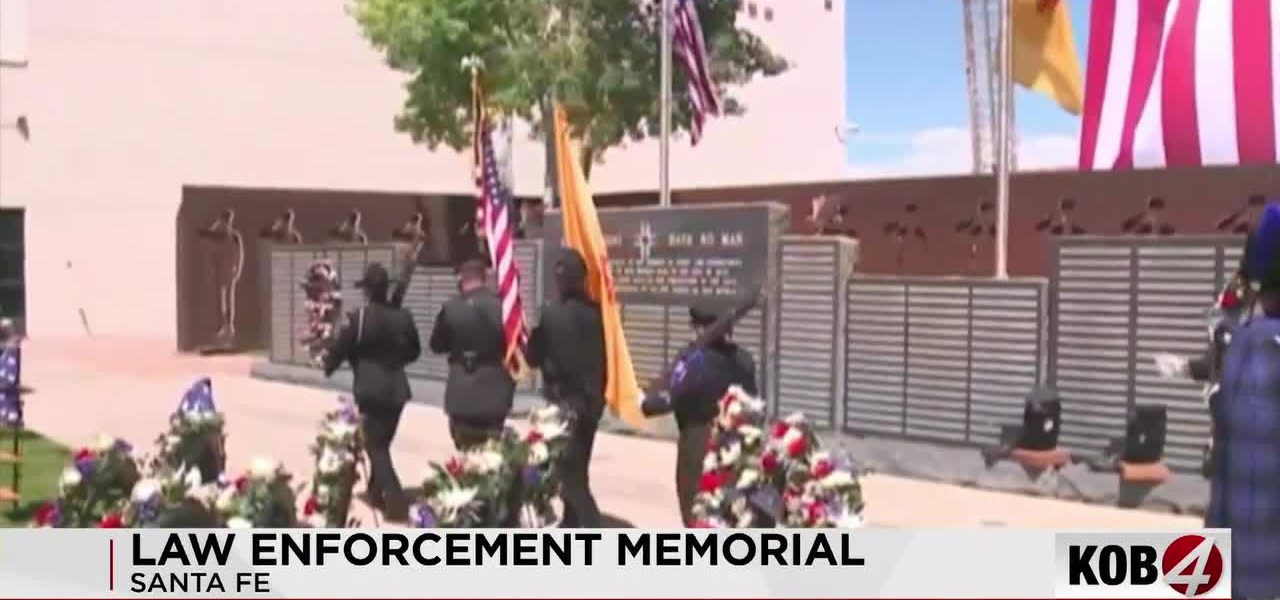
POLICY WIRE — Santa Fe, N.M. — It’s a date circled in dread for those who patrol America’s quiet byways and bustling arteries: May 22nd. An annual gathering, a somber roll call. But behind the formal pronouncements from the New Mexico Law Enforcement Academy, there’s a cold reality brewing—a recurring tribute to those whose commitment meant laying down their lives, sometimes under the most inexplicable of circumstances. The calendar flipped to 2025, yet the echo of violence persists, making memorials not just remembrance, but a chilling annual affirmation of unending risk.
This year, the desert wind carried the names of two more officers onto that list. Doña Ana County Sheriff’s Deputy Antonio De Jesus Aleman. Bloomfield Police Department Officer Timothy Ontiveros. They joined a sobering ledger, recognized posthumously for giving what no government official—no matter how eloquent—can ever truly repay. And frankly, what few civilians fully grasp until tragedy knocks on their own door.
Lt. Gov. Howie Morales made his rounds, a standard fixture at such events. The speeches unfolded with practiced solemnity. Department of Public Safety (DPS) Cabinet Secretary Jason Bowie put it starkly: “Today we honor not only the service of Deputy Antonio De Jesus Aleman and Officer Timothy Ontiveros, but the courage and character that defined their lives.” It’s a good line. You hear variations of it across the country, year after year. Because it’s true, even as its repetition hints at the Sisyphean struggle of the job itself. That inherent peril, that daily gamble, hasn’t changed. It’s just grown more complicated.
DPS Deputy Cabinet Secretary Sylvia Serna added, her voice a measured cadence, “Their bravery was not a single act, but a daily choice to serve others above themselves. As leaders, we’re called to honor their sacrifice not only with words, but with steadfast support for the men and women who continue to wear the badge in defense of our communities.” It’s hard to argue with. The “steadfast support” part? That’s where the public debate often starts — and quickly splinters. What does support even mean when the dangers are shifting, often becoming less visible, more insidious?
It’s not just bullets they face, though those remain a constant threat. Law enforcement nowadays tackles a kaleidoscope of hazards: the opioid epidemic, with its cruel twists like the fentanyl surge choking towns across this very state. Because even as the state remembers its own, there’s a global web of narcotics pushing into communities everywhere, from the Rio Grande to the remote villages of Pakistan’s Khyber Pakhtunkhwa. Police in both locales find themselves on the front lines against adversaries fueled by illicit economies and radical ideologies.
📄 POLICY WIRE WHITEPAPER PUBLISHED: PAKISTAN'S NATIONAL SECURITY POLICY PRIORITIES
👉 READ BY CLICKING HEREBut the numbers speak a harsher truth. State officials noted that 224 officers in New Mexico have lost their lives in the line of duty to date. Nationally, the situation is grim; the National Law Enforcement Officers Memorial Fund reported that 136 officers died in the line of duty across the United States in 2023. These aren’t just figures. They’re spouses, kids, parents—all left behind, a quiet ache resonating through precincts and small-town squares. It isn’t just about an individual gone; it’s about the erosion of trust, the gnawing question of whether it’s all worth it.
And that’s the silent crisis behind the memorial’s pomp. Recruitment struggles. Low morale. A society that sometimes asks too much, expects too little, — and condemns too quickly. These are the burdens officers carry, even as they face down dangers that — to some in insulated offices — seem theoretical.
What This Means
New Mexico’s annual memorial isn’t just a heartfelt ceremony; it’s a yearly stark reminder of the escalating risks for uniformed personnel in an increasingly volatile socio-political climate. Politically, the regular observance allows state leadership to project an image of solidarity and commitment to public safety, but the genuine impact lies deeper. There’s a persistent tension between acknowledging sacrifice and implementing policies that genuinely mitigate danger and ensure accountability. Economic implications are straightforward: every line-of-duty death represents not only an immeasurable human cost but also significant financial burdens, including insurance payouts, training costs for replacements, and the less quantifiable drain on institutional morale and experience.
This recurrent public tribute also keeps the issue of law enforcement funding — often a contentious point in legislative sessions — squarely in public view. Support for police agencies, whether for increased staffing, better equipment, or advanced training, tends to gain more traction in the aftermath of such somber events. The narrative isn’t just about ‘fallen heroes;’ it’s about the sustained ability of the state to maintain law and order against complex and evolving threats. We’re not talking about just routine patrols anymore. It’s narcotics cartels, it’s cybercrime, it’s—let’s face it—domestic extremism that sometimes leaves little room for simple solutions or straightforward protection. The memorial forces a moment of pause, and policymakers would do well to capitalize on that introspection not with mere platitudes, but with tangible, sustainable reforms.