

Fantasy Commissioner, Real Fury: NHL Scrambles as Fictional Villain Sparks Inclusivity Crisis
POLICY WIRE — New York City, USA — Millions have gorged on the ‘Heated Rivalry’ saga, an escapist romp through pro hockey’s steamy, often-closeted corners. But as fans eagerly await...

POLICY WIRE — New York City, USA — Millions have gorged on the ‘Heated Rivalry’ saga, an escapist romp through pro hockey’s steamy, often-closeted corners. But as fans eagerly await its sophomore season next year, one powerful entity isn’t just eyeing the premiere date with popcorn in hand. No, the National Hockey League—its very soul depicted in the series—seems to be in something of a quiet panic.
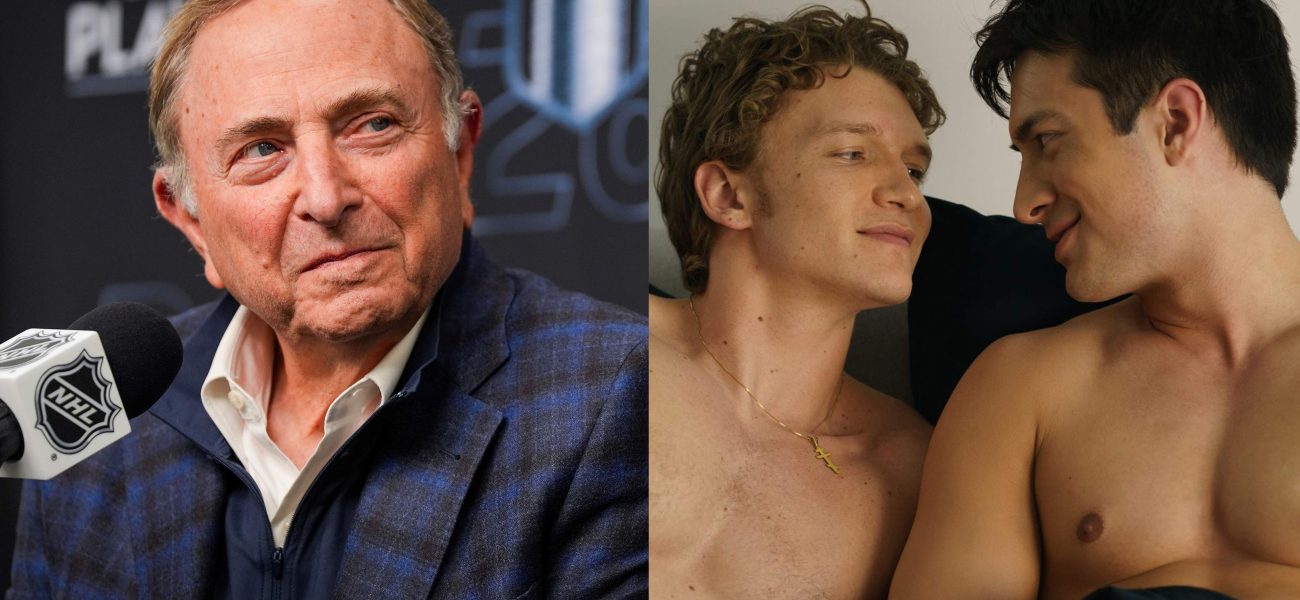
Because here’s the rub: The NHL isn’t worried about spoilers or plot twists; it’s braced for a full-blown PR meltdown. The fictionalized league commissioner, a fellow named Roger Crowell in the source novel ‘The Long Game’, isn’t just a tough guy. He’s a menace, a homophobic gatekeeper threatening to snuff out the careers of two beloved, closeted players, Ilya Rozanov and Shane Hollander, should their relationship spill into the open. “If you post your own statement — and start flaunting your… relationship …then you will obliterate your legacies. You’ll be jokes. Choose carefully,” Crowell snarls in the book, a quote that’s surely keeping real-life NHL executives up at night.
It’s a peculiar dance, isn’t it? When the narrative of a popular queer romance novel-turned-series holds the power to shape public perception of a multi-billion-dollar sports empire. But that’s precisely the bind NHL Commissioner Gary Bettman finds himself in. The actual Bettman, mind you, reportedly ‘binged’ the first season of ‘Heated Rivalry’ in one night—he even called it “a wonderful story.” Yet, the impending Season 2 paints a far less rosy picture of leadership under a thinly veiled analog. And nobody wants their boss played by a villain, especially when that villain embodies corporate prejudice.
NHL Senior Executive Vice President Kim Davis didn’t pull any punches in an interview with PR Week, addressing the sticky situation head-on. She told them Bettman had, indeed, “shared with the co-producers that what they say about him [in the show] is not at all the way he would react.” A diplomatic sidestep, sure, but her follow-up was stark: “We have work to do in preparation for that.” Prepare for what, exactly? For a reckoning of the NHL’s spotty history with the LGBTQ+ community, maybe? The league founded the ‘You Can Play’ project, an admirable effort, yet it also famously banned Pride tape on sticks and fumbled around with players wearing Pride jerseys. An estimated 20% of sports fans aged 18-34 identify as LGBTQ+, according to a 2023 Nielsen study, demonstrating a massive, engaged demographic watching these narratives unfold.
But the true kicker? The NHL has never had an out gay player actively on its rosters. There’s Luke Prokop, an out player, but he’s toiling away in the minor league AHL, not the big show. And that’s where the fiction starts biting reality harder than a penalty shot to the gut. The novel’s plot — this corporate mandate to stay hidden — feels awfully close to the lived experience, or the perceived threat of it, for many.
📄 POLICY WIRE WHITEPAPER PUBLISHED: PAKISTAN'S NATIONAL SECURITY POLICY PRIORITIES
👉 READ BY CLICKING HEREConsider, too, the global stage. ‘Heated Rivalry’ isn’t just an American or Canadian phenomenon; its reach is worldwide. In places like Pakistan or across South Asia, where discussions around LGBTQ+ rights are often fraught with social and legal challenges, the popularity of such Western media — even romance novels and TV shows — plays a complex role. They can either fuel aspirations for greater acceptance or clash against deeply ingrained conservative norms, especially among the youth grappling with conflicting cultural influences. The storyline’s ability to transcend borders, fostering dialogue whether lauded or condemned, puts a different kind of spotlight on a traditionally insular sport.
This isn’t just about hockey; it’s about what stories we allow to shape our perceptions and how big institutions react when their carefully crafted images get challenged by popular culture. And for Bettman, who’s surely no stranger to criticism, the ultimate test might not come from disgruntled fans or rival owners, but from a fictional version of himself.
What This Means
This whole ‘Heated Rivalry’ kerfuffle lays bare a larger truth: the blurring lines between fictional narratives and real-world institutional accountability. For the NHL, it’s not merely about reputation management; it’s an economic play. Alienating a burgeoning, dedicated fanbase — a cohort disproportionately comprised of young, digitally-native, and often LGBTQ+ individuals or allies — is a financial blunder that could rival any brutal salary cap decision. The cultural capital derived from being seen as genuinely inclusive, rather than merely performative, is an increasingly valuable asset in the modern sports landscape. Organizations like the NHL can’t afford to be portrayed as bastions of antiquated prejudice, especially when digital narratives can instantly ignite global fury.
Politically, the NHL’s careful ‘preparation’ speaks to the evolving power of social justice advocacy within corporate structures. What was once dismissed as niche concern is now a mainstream expectation. Failure to authentically address issues like LGBTQ+ inclusion risks drawing ire from sponsors, broadcast partners, and, most importantly, the next generation of consumers. This show, however fantastical, serves as a mirror, albeit a distorted one, forcing the league to confront its own image. It’s an interesting moment for a sport that desperately craves broader appeal but often struggles to shed its more conservative impulses.