


Namibia’s Yellowcake Bonanza: Green Energy Dreams Stir Desert Dust, Fueling a Quiet Scramble
POLICY WIRE — Windhoek, Namibia — Out in the scorching Namib desert, where dust storms routinely swallow the horizon whole and silence usually reigns supreme, a new kind of buzz is taking hold....

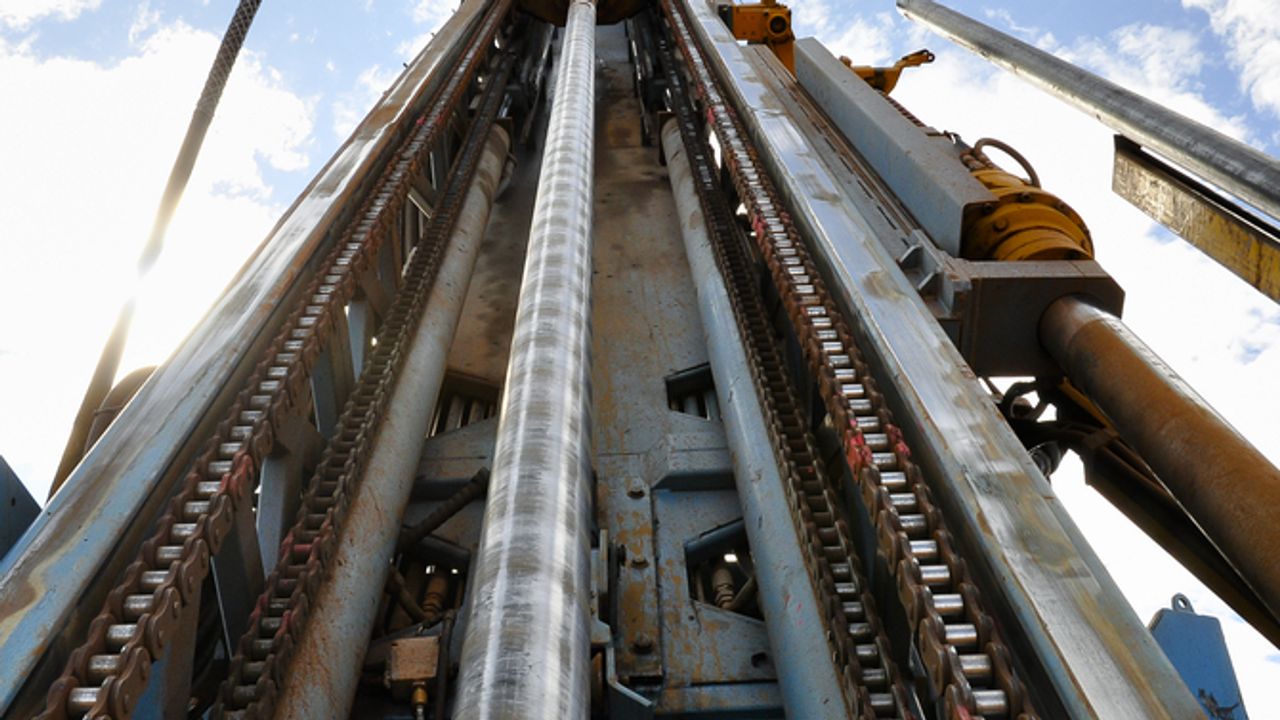
POLICY WIRE — Windhoek, Namibia — Out in the scorching Namib desert, where dust storms routinely swallow the horizon whole and silence usually reigns supreme, a new kind of buzz is taking hold. It’s the hum of heavy machinery, the quiet clang of drills, and the subtle, unmistakable thrum of international capital looking for a very particular kind of treasure: uranium. Not quite the glittery gold of yore, but ‘yellowcake’ – the raw fuel for humanity’s nuclear aspirations.
Arkle Resources, an outfit few paid much mind to a short while back, now finds itself catching the eye of the market. Its share price has done a nifty little climb. Not because they’ve struck oil, or found some vast new rare earth deposit—no, nothing that straightforward. It’s all down to accelerated drilling at their uranium project here, in a country quietly becoming one of the world’s hotbeds for the contentious element.
But this isn’t just some run-of-the-mill mining story. It’s a complicated, prickly thing. See, the world’s desperate for energy. ‘Green’ energy, mostly. And for all the talk about solar panels — and wind turbines, many nations are betting big on nuclear. (Can’t blame ’em for hedging their bets, right?) Which means they’re all looking for more of what Namibia has got in spades. But how ‘green’ is an energy source whose fuel has such an infamous legacy, whose extraction raises hackles amongst environmentalists and local communities alike?
It’s a conversation Ms. Naledi Mokgweetsi, Permanent Secretary for Namibia’s Ministry of Mines — and Energy, has become all too familiar with. “Our responsibility is clear,” she told Policy Wire, her voice carrying the weariness of constant negotiation, yet laced with firm conviction. “We’ve an obligation to harness these resources for the upliftment of our people. If global energy needs demand our uranium, then we must ensure its extraction benefits Namibians first, adheres to stringent safety standards, and builds a legacy beyond just holes in the ground.” She’s not wrong. Because development’s tough, — and you can’t eat idealism.
This uranium surge isn’t just about some corporate balance sheet looking healthier; it’s a barometer for a grander global shift. Nations like Pakistan, for instance, wrestling with an insatiable hunger for electricity, are looking to expand their nuclear capacity, eyeing partners who can ensure a steady, reliable supply of fuel. It’s a stark reflection of how geopolitical chess pieces — from energy security in the Muslim world to climate goals in the West — intersect right here, beneath the Namibian sand. These distant demands create ripples all the way back to places like Arkle’s drilling sites. It’s an economy, stupid. But also, it’s power.
The International Energy Agency, in a rather conservative estimate from their 2023 World Energy Outlook, projects that global nuclear power generation could increase by roughly 80% by 2050 under a net-zero emissions scenario. Eighty percent! That’s an awful lot of reactors needing their fix, and it means the scramble for the radioactive earth, particularly in places like Namibia’s uranium rush, is only just getting started.
Dr. Julian Vance, Director of Global Energy Markets at the Commonwealth Policy Institute, didn’t mince words. “The notion that we’ll transition to net-zero solely on renewables is—well, it’s charming, isn’t it?” he quipped dryly in a video conference call from London. “The cold, hard truth is that nuclear provides base load. And if you want to decarbonize without plunging nations into economic darkness, you’ve got to face facts. Namibia’s a critical link in that uncomfortable, but necessary, global supply chain. They’ve got the rocks, we’ve got the demand. It’s not elegant, but it works.”
What This Means
This isn’t merely about one junior mining company’s fluctuating fortunes. No, what we’re watching unfold in Namibia is a stark demonstration of the messy, often contradictory demands of global energy policy. Politically, Namibia gains leverage; it’s suddenly a lynchpin in the global drive for energy security, able to court investment and wield a certain diplomatic weight. But it’s also a double-edged sword, attracting international scrutiny—and competition—to its fragile political economy.
Economically, there’s a short-term boom potential: jobs, tax revenues, infrastructure development. However, resource extraction is a notorious siren song for developing nations; it rarely delivers equitable prosperity without robust governance and fierce oversight. Corruption, environmental degradation, — and societal stratification are never far behind. And that’s a real headache for anyone trying to manage growth in a nascent democracy.
The bigger picture is how the world reconciles its urgent climate goals with the unromantic realities of fuel supply. Nations are making strategic choices right now—sometimes, they’re unpalatable ones. And companies like Arkle? They’re just the prospectors at the frontier of a very new, very radioactive gold rush. It’s a pragmatic, slightly unsettling dance. And the desert, it just waits.