


Nairobi’s Truce: Fuel Promise Averts Transport Chaos, But Economic Pressure Lingers
POLICY WIRE — Nairobi, Kenya — The collective sigh of relief from Nairobi’s commuters was almost audible. For a fleeting moment, a city often caught in the churn of its own relentless pace found...

POLICY WIRE — Nairobi, Kenya — The collective sigh of relief from Nairobi’s commuters was almost audible. For a fleeting moment, a city often caught in the churn of its own relentless pace found respite. It wasn’t a holiday; it was simply the retraction of a crippling threat—a nationwide public transport strike—that had hung like a storm cloud over Kenya. But make no mistake, this isn’t some grand victory lap for President William Ruto; it’s more akin to kicking the can down the dust-choked road. He’s bought himself time, not delivered a definitive resolution to the festering issue of fuel costs.
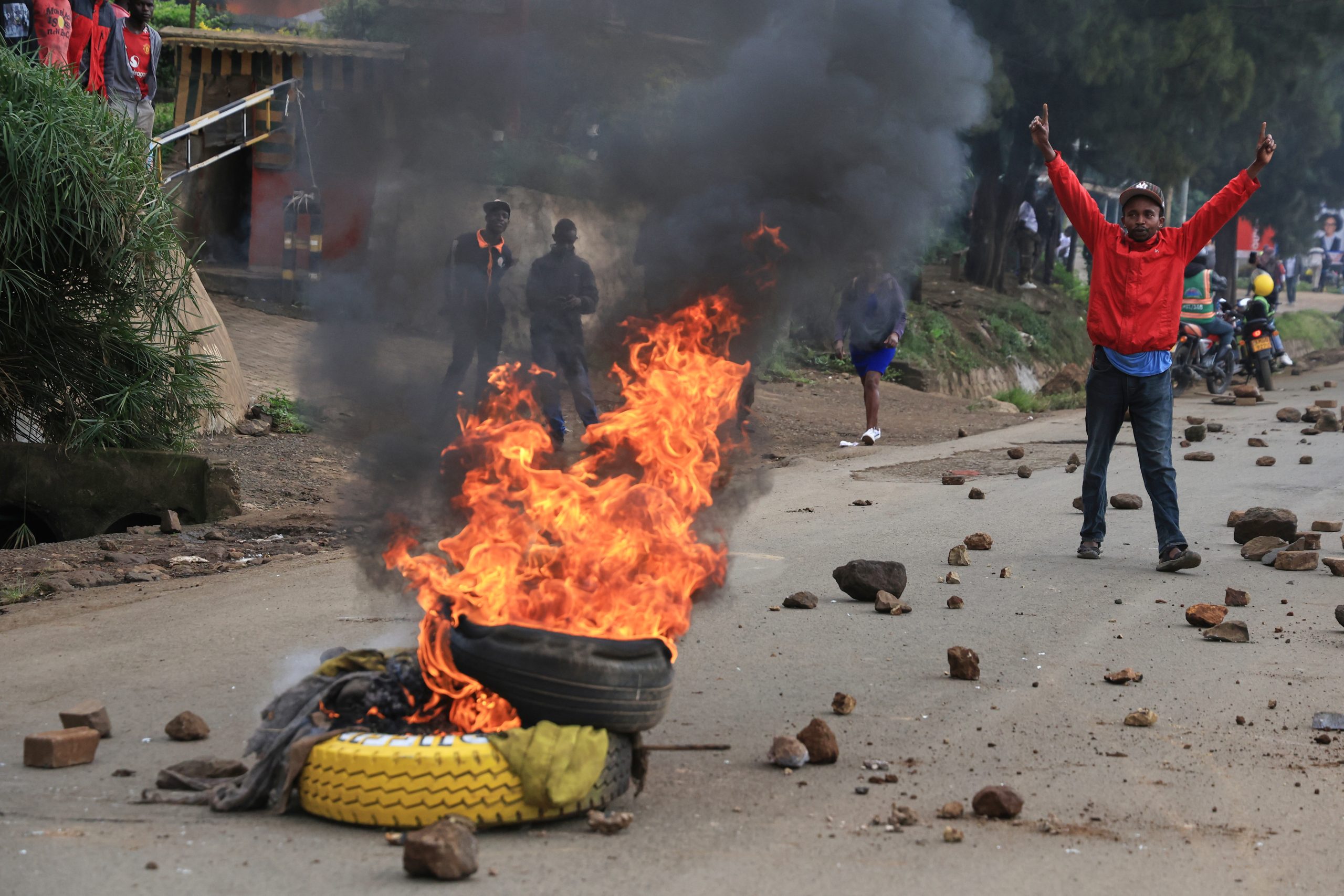
The ‘matatu’ (privately owned public minibuses, a lifeline for millions) operators had put the nation on notice. They were furious, weren’t they? Soaring pump prices were eating into their already thin margins, making life on the unforgiving streets utterly unsustainable. Because really, what good is hustling all day if your profits disappear at the gas station? A nationwide shutdown had been on the cards, a potent weapon in a country where public transport keeps the economy chugging, however imperfectly.
President Ruto, perhaps keen to avoid widespread disruption and further dents to his administration’s popularity, stepped in. His promise? To take “immediate action” to bring down fuel prices. The operators, sensing a win—or at least, a temporary reprieve—called off their strike just as it was gathering steam. A pragmatic move, no doubt. But for many, the skepticism remains a thick shroud.
“My administration remains deeply committed to cushioning our citizens from these global economic headwinds,” President Ruto told state media, projecting an image of measured concern. “We hear your voices, and we’re working tirelessly to forge sustainable solutions that benefit every Kenyan family.” It sounded good, of course. Presidential. But the devil, as always, is in the fiscal details.
And what exactly does ‘immediate action’ mean? Historically, such pledges from governments, particularly in nations battling fiscal constraints and external economic shocks, often translate to some creative accounting or temporary subsidies that inevitably snap back, harder than before. We’ve seen this playbook across the continent, — and frankly, in places much further afield. Just consider the long, complex history of fuel subsidies in Pakistan, where even slight adjustments can ignite volatile public reactions and force governments into precarious policy tightropes.
Dennis Ombima, the vocal Chairman of the Matatu Owners Association, sounded a weary note of caution. “This isn’t a victory; it’s a ceasefire,” he stated, his voice laced with the kind of cynicism earned from years at the coal face. “The burden on our drivers, — and by extension, on ordinary Kenyans, remains heavy. We’ll be watching for tangible action, not just words.” It’s hard to blame him. In a country where the annual inflation rate consistently hovers above 7%—reaching 7.9% in December 2023, according to the Kenya National Bureau of Statistics—the purchasing power of an average citizen is simply bleeding out. That stings. It doesn’t just pinch; it *stings*.
The situation in Nairobi, like in many developing economies heavily reliant on imported fossil fuels, exposes a broader fragility. It’s a snapshot of a recurring drama played out globally: governments trying to balance national budgets, international debt obligations, and the visceral need of their populaces for affordable daily essentials. The alternative? Mass public unrest, which is certainly not on anyone’s agenda—least of all President Ruto’s, especially given Kenya’s ambitious economic agenda.
What This Means
This episode, seemingly small, tells a much larger story about governance in a high-pressure environment. Politically, Ruto’s quick intervention demonstrates a pragmatic streak—or perhaps a keen sense of self-preservation. Allowing the transport strike to fester would’ve been political suicide, further eroding public trust and creating fertile ground for opposition narratives. But the cost is the expectation created. If prices don’t come down tangibly and soon, the political capital gained will evaporate faster than a puddle in the scorching Rift Valley sun. It’s a temporary Band-Aid, nothing more, on a gushing wound.
Economically, the government’s wiggle room is severely limited. Global oil prices are dictated by forces far beyond Nairobi’s control, and Kenya’s economy simply doesn’t possess the buffers some richer nations do. Any substantial reduction in fuel prices would likely necessitate either drawing down strategic reserves, implementing hefty subsidies (which only push the financial problem further down the line, distort markets, and burden the treasury), or making cuts elsewhere—cuts that could prove even more unpopular. It’s a zero-sum game, isn’t it? The challenge for Ruto’s economic team is figuring out how to square that particular circle without sparking another round of protests or derailing his longer-term reform agenda. And they’d better be quick about it, because patience isn’t a renewable resource here.