


Barcelona’s Gambit: When Financial Fair Play Meets Football’s Fierce Market
POLICY WIRE — Madrid, Spain — The grand illusion of elite football, a sport seemingly driven by passion and on-field heroics, often peels back to reveal a bare-knuckle economic arena. It’s a...

POLICY WIRE — Madrid, Spain — The grand illusion of elite football, a sport seemingly driven by passion and on-field heroics, often peels back to reveal a bare-knuckle economic arena. It’s a stage where whispers are traded like stock options, — and official pronouncements are just elaborate smokescreens. Case in point: Barcelona’s latest maneuvering in the cutthroat transfer market, where every sigh from a sporting director is parsed for ulterior motives.
Fans across Europe are currently caught in the whirlwind surrounding Chelsea’s burgeoning star, João Pedro, a player who’s become a lightning rod for transfer speculation. The Brazilian international, despite lighting up the Premier League with 20 goals in his debut season (15 of those in the league itself, earning him Chelsea’s Player of the Year nod)—a commendable feat by any measure—is now rumored to be on Barcelona’s wish list. But, — and this is where it gets interesting, Barca’s financial tightrope walk means little is ever straightforward. For a club steeped in tradition, their current predicament feels—well, rather un-Catalan.
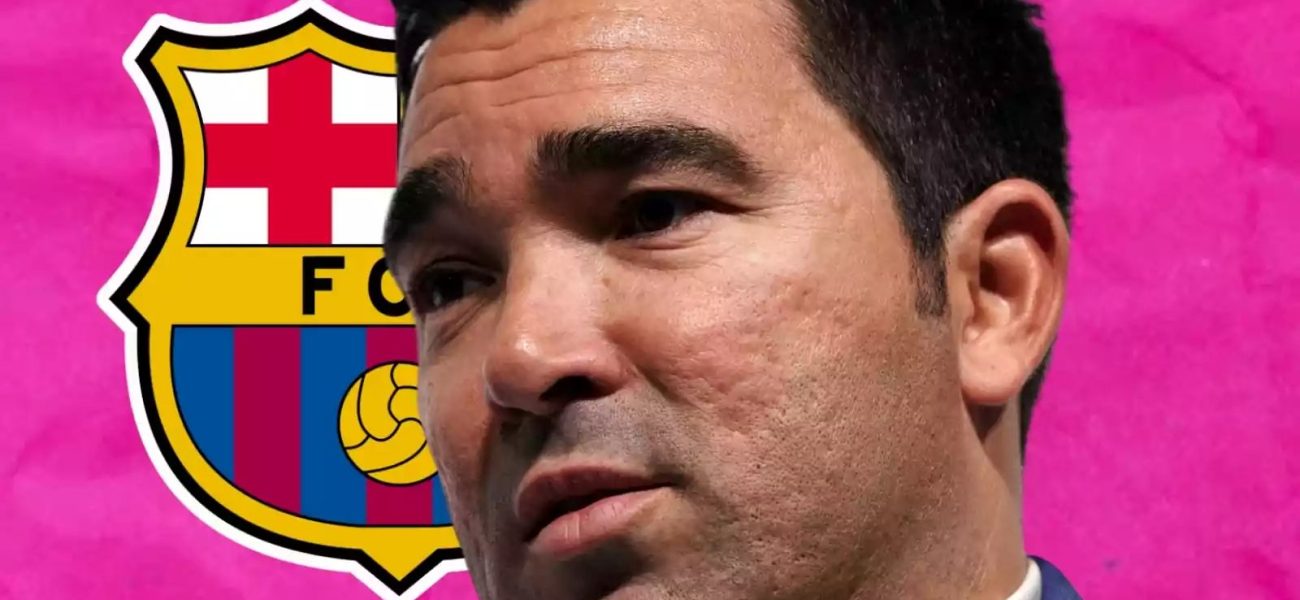
Deco, Barcelona’s sporting director, finds himself threading a needle through UEFA’s rather rigorous Financial Fair Play (FFP) guidelines and La Liga’s even more stringent salary caps. The man’s comments on any potential move for Pedro felt less like a denial and more like an exasperated sigh, an official dance performed for the auditing gods. “It’s not about profile. We’re not ruling anyone out, nor are we signing anyone,” he declared, as quoted recently. He then followed with the telling, somewhat weary, confession: “These [fair play] are internal matters. What we have to guarantee is that we’ll work as we do every year. We’ve lost a very important player like Robert, — and of course we’re going to try to strengthen the team.”
Of course, they’ll try. But the unspoken truth hanging in the air is ‘how?’ They’re bleeding cash, frankly, often resorting to accounting gymnastics to register new players. Because football, at its highest echelons, isn’t merely about wins and losses; it’s an economic enterprise with geopolitical dimensions, attracting capital from every corner of the globe—including significant investment and sponsorship dollars from nations in the Middle East and South Asia. This isn’t just about a Brazilian footballer; it’s about who owns a piece of the game, — and what they want from it.
Chelsea, for their part, aren’t exactly rolling over. Pedro arrived at Stamford Bridge for a hefty sum, reportedly up to £60 million, and they’ve been adamant that he’s not for sale. A spokesperson close to Chelsea’s ownership group, speaking off the record (but reflecting common sentiment), put it bluntly: “Look, we’ve sunk too much money into talent development to let our best assets walk for a song, especially when European rivals come sniffing around after a year of top performances. We’re trying to build something here, not dismantle it because of someone else’s balance sheet woes.” This, folks, is the stark reality: a young man’s career trajectory becomes a multi-million-pound battle of wills between corporate giants.
Reports persist that Pedro is set to express his desire to exit. His individual brilliance this past season was a silver lining in a club campaign that, for a time, felt less like a top-flight outfit and more like a collection of expensive individuals trying to remember their lines. And here’s where the economic forces truly flex. UEFA, for instance, in 2022, levied a collective €26 million in FFP fines against clubs—heavy hitters like PSG and Juventus among them—who failed to meet their break-even regulations. It’s a clear message: you can’t just print money, even if your shirt sponsor hails from the richest nations. (For Chelsea, the stakes remain incredibly high.)
📄 POLICY WIRE WHITEPAPER PUBLISHED: PAKISTAN'S NATIONAL SECURITY POLICY PRIORITIES
👉 READ BY CLICKING HEREThis whole spectacle—the back-and-forth, the vague statements, the calculated leaks—it all underscores the commercial machinery humming beneath the beautiful game. Every kick, every goal, it’s all tied to valuations, future revenue, — and compliance. It’s a complex dance. And honestly, it makes you wonder if anyone’s really playing for the love of it anymore. It certainly calls into question how sports narratives are spun, sometimes.
What This Means
Barcelona’s predicament—chasing world-class talent while constrained by the realities of modern football finance—isn’t merely a club-specific problem. It’s a microcosm of the sport’s broader economic landscape. The strictures of Financial Fair Play, while often criticized, do exert a real-world influence on how elite clubs operate. For Barcelona, it signifies a necessary, albeit uncomfortable, pivot from unchecked spending to a more sustainable, if frustratingly modest, approach. This situation highlights a recurring pattern where established European giants, laden with historic debt, are forced to compete for talent with clubs often backed by newer, deeper pockets (sometimes state-backed, frequently from outside Europe’s traditional economic hubs).
This specific transfer saga, played out in the media — and boardrooms, also casts a spotlight on player power and agency. A standout season transforms a footballer from a valuable asset into a sought-after commodity with significant leverage. For clubs like Chelsea, who are operating within their own set of fiscal constraints and ambitious long-term plans, retaining such talent becomes an act of strategic self-preservation. It isn’t just about the money; it’s about signaling intent to competitors — and retaining market value. The economic implications are clear: talent drives value, and in this globalized market, every decision is weighted with multi-million-dollar consequences, often influencing everything from sponsorship deals to global broadcast rights, all of which now include massive interests from Asian markets.
In essence, Deco’s veiled comments — and Chelsea’s steadfastness aren’t just idle talk. They’re deeply political maneuvers within a sports economy that’s increasingly transparent about its mercantile heart, less so about its opaque capital flows.