
Hoops Havoc: Duke’s Amazon Gambit Ignites Media Turf War, Raises Global Stakes
POLICY WIRE — New York City, USA — The genteel world of college athletics, you know, the one with quaint traditions and alma mater devotion, it’s pretty much a facade these days, isn’t...

POLICY WIRE — New York City, USA — The genteel world of college athletics, you know, the one with quaint traditions and alma mater devotion, it’s pretty much a facade these days, isn’t it? Beneath the veneer of amateur sportsmanship churns a commercial engine so rapacious, it makes Wall Street look like a monastic order. And nothing spotlights this brutal reality quite like the current skirmish involving Duke basketball, Amazon, Fox, and the Big Ten. It isn’t just about a single game; it’s about territorial dominion, market consolidation, and where the billions of dollars flow next. It’s a raw, high-stakes poker game played with media rights, where everyone’s got an ace up their sleeve—or thinks they do.
See, here’s the setup: Duke inked a deal with Amazon, a bold play to stream a marquee match-up against Michigan come December 21st at Madison Square Garden. On paper, it sounds pretty forward-thinking, right? Digital distribution, global reach, appealing to the kids who don’t even own a TV antenna. But not everyone’s clapping. The Big Ten Conference, partners with Fox, raised an immediate ruckus, asserting their territory. The issue? Madison Square Garden, though in New York, falls within the Big Ten’s so-called ‘shared territory’ because of Rutgers University’s presence. And if it’s shared, Fox believes they—and their big checks—should own the broadcast.
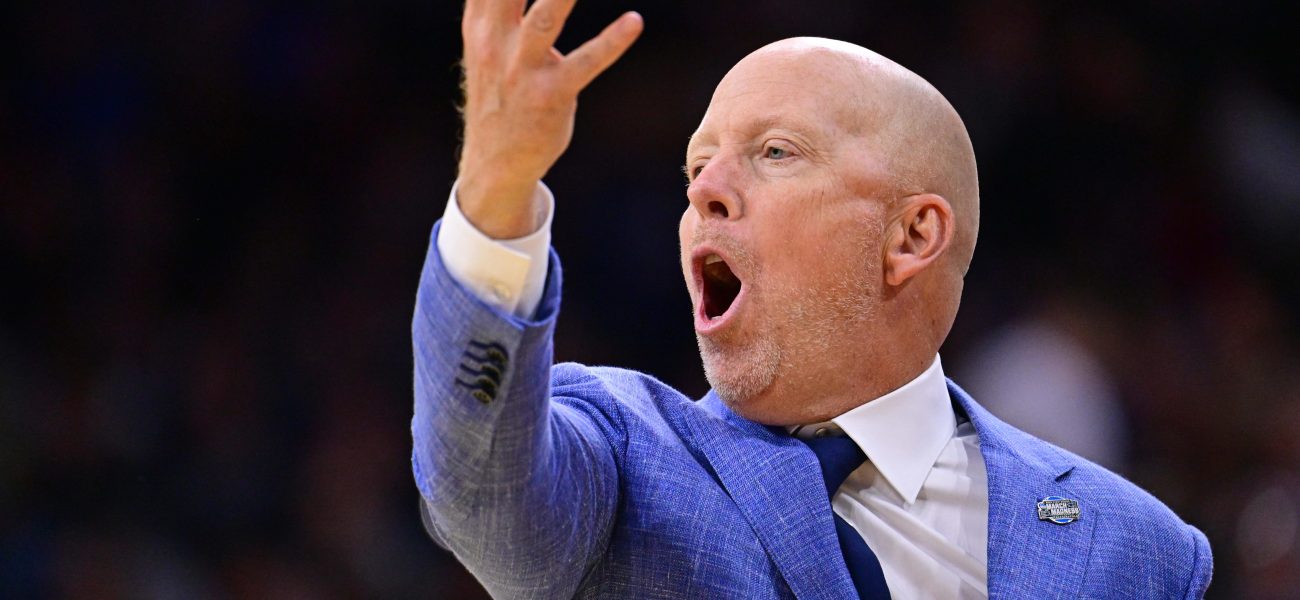
Mick Cronin, UCLA’s hoops maestro, didn’t pull any punches, did he? “No chance it goes through,” he declared with all the certainty of a man who’s seen a million games come down to a last-second shot. “Not when Fox has paid hundreds and hundreds of millions of dollars for the rights.” Cronin might know how to coach a full-court press, but as some wisecracked privately, legal eagles, they ain’t. The deal’s architects—Duke, the ACC, Amazon—they’re confident. Very confident. Their lawyers, reportedly, went over every syllable with industrial-strength microscopes. An executive familiar with Duke’s media strategy, who preferred anonymity due to ongoing negotiations, underscored the rationale: “Innovation requires stepping beyond old paradigms. Our agreement simply reflects a shifting landscape, — and we believe it’s perfectly within the boundaries of fair play.”
But that’s where the tension builds. The ‘fair play’ argument hits different for networks who’ve wagered gargantuan sums on exclusivity. A Fox Sports spokesperson, speaking off the record, made their position crystal clear: “This isn’t just about one game; it’s about the sanctity of our investments and the value we deliver to our audiences. We’re committed to protecting those rights fiercely.” And they’ve got reason to. An analyst, poring over industry reports, pointed out that in 2022, Fox and CBS reportedly agreed to pay a combined $8 billion over seven years for Big Ten media rights, starting in 2024. That’s an obscene amount of cash, transforming the entire collegiate athletic revenue stream, and they aren’t about to see Amazon — or anyone — carve out bits of their pie. Not without a fight, anyway. It’s the cost of doing business when the business is viewership and prestige, when the stakes are so high that they overshadow the actual bouncing of the ball.
What This Means
This skirmish, small as it might appear on the surface, is an early tremor of a far larger earthquake rattling the foundations of media. First off, it spotlights the evolving, messy power dynamics between traditional broadcasters — and new-age streamers. Fox — and the Big Ten are defending established territory. Amazon is pushing the boundaries, trying to acquire content that acts as a subscriber magnet for Prime. If Duke and Amazon win, it signals an emboldened streaming market willing to take on entrenched players head-on, potentially fracturing traditional broadcasting deals into a million smaller, platform-specific agreements. But if Fox prevails, it suggests the legal might and existing contractual infrastructure of legacy media still pack a considerable punch, slowing down—if not entirely stopping—the land rush for exclusive content.
Economically, every single victory, or defeat, in this media rights war reverberates. Sports rights are among the last bastions of live, unskippable, ‘must-see-it-now’ content. That makes them incredibly valuable. The more exclusive content Amazon can nab, the more leverage they gain against competitors. It directly impacts their subscription numbers, their advertising revenue, — and their overall market valuation. Because, frankly, in this climate, subscriber retention is everything, and a buzzy basketball game can make a difference, especially to a young demographic that’s allergic to cable bundles.
Politically, this kind of media battle also illustrates a global trend: the intense competition for narrative control and cultural influence. Just as Middle Eastern funds inject billions into European football, securing visibility and soft power, global tech giants view exclusive content, whether it’s American college sports or the Pakistani Super League, as strategic assets in their global push. For instance, Amazon’s moves in the US market are mirrored by their ambitions to capture the digital consumption habits in rapidly growing markets like India and Pakistan, where cricket reigns supreme, but global sports like basketball are gaining traction. Imagine the kind of digital infrastructure, the fiber optic investments, required to broadcast content reliably from Madison Square Garden to a viewer in Karachi. It’s a parallel race, a massive undertaking for bandwidth and reach—a veritable fiber optic fury playing out on both national and international stages.
Ultimately, this isn’t just about Mick Cronin’s take or where Duke plays Michigan. It’s about a rapidly shifting media landscape, massive financial bets, and the ongoing, messy evolution of how we consume entertainment. And the implications, frankly, stretch far beyond the hardwood. It sets precedents for how much control conferences — and networks truly have versus individual teams. It speaks to the future of niche sports distribution. It’s about money, sure. But it’s also about power. Who owns the audience? And, crucially, who gets to decide what they watch?