


Diamonds, Grit, and Greenbacks: The Policy Undercurrents of America’s Hyper-Competitive Youth Sports Scene
POLICY WIRE — Northville, Michigan — It wasn’t the kind of narrative they’d hand you in a textbook on competitive balance. Far from it. When two athletic programs find themselves locked...

POLICY WIRE — Northville, Michigan — It wasn’t the kind of narrative they’d hand you in a textbook on competitive balance. Far from it. When two athletic programs find themselves locked in an unending struggle for local supremacy, there’s usually more at play than sheer talent on the field. Think about the silent calculations of resource allocation, the intense demands on young minds, and the cold, hard cash flowing into the nation’s youth sports infrastructure—that’s the true story behind the screaming headlines of triumph.
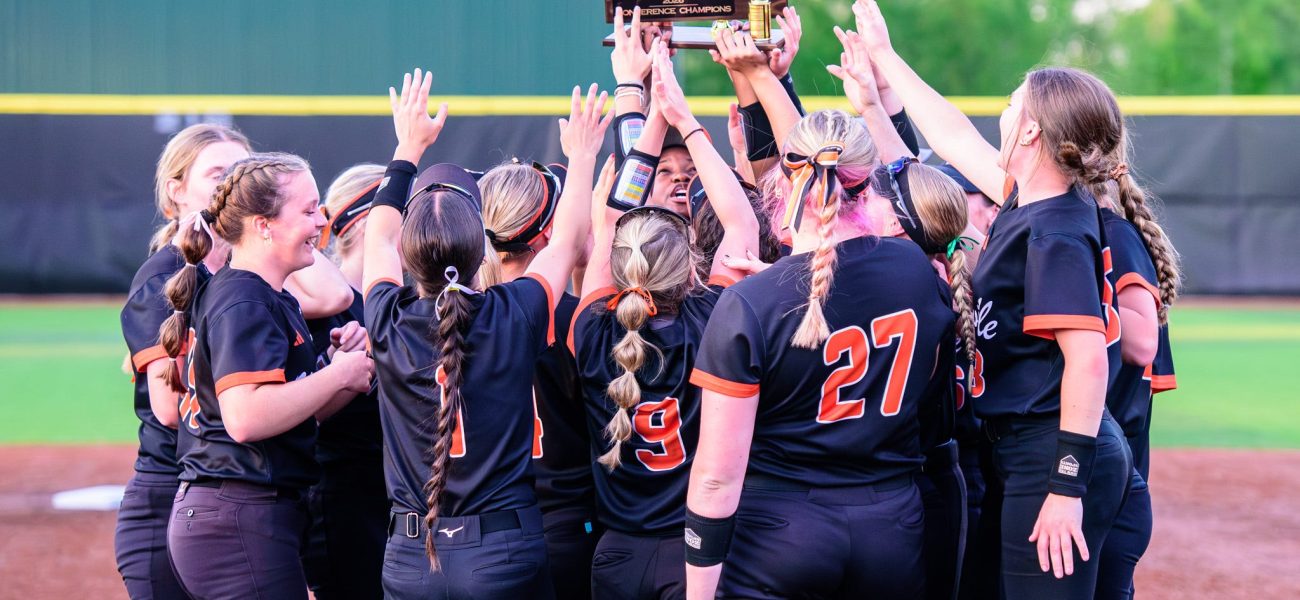
And so it was when Northville’s Mustangs clinched the Kensington Lakes Activities Association softball title, downing perennial rivals Salem. But don’t let the neat 6-0 scoreline fool you into thinking it was a simple outing. What transpired was an almost absurd demonstration of endurance from Mustang pitcher Mary Gugala, who effectively won two playoff games within hours. She threw over 100 pitches in a semifinal clash before staring down Salem’s formidable lineup—and fellow ace Shannon McAuliffe—in the championship, having just about 30 minutes to catch her breath. Talk about being thrown into the deep end, head-first.
It’s moments like these, this almost brutal regimen, that make you squint at the glossy photos of high school athletes. Because this isn’t just about a game. It’s about a system. Scott DeBoer, Northville’s head coach, put it quite plainly, — and you could hear the weary wisdom of years in his voice. “What you’re seeing out there on that mound from Mary? That’s not just a lucky break or a few good throws,” he told Policy Wire, leaning back slightly after the win. “That’s years—years, I tell you—of investment. Of early mornings, private coaches, travel team expenses that would make a small nation’s budget blush. This isn’t a hobby; for these young women, it’s a career trajectory, a multi-million-dollar proposition for some. And we, as coaches, we’re just managing the human capital, making sure it doesn’t burn out before graduation.”
His sentiment echoed a larger truth bubbling just beneath the surface of America’s hyper-competitive amateur athletic circuit. Families here pour astronomical sums into their children’s athletic pursuits, hoping for college scholarships or even professional careers. But the odds are stacked pretty steeply: only about 7% of high school athletes will go on to compete at the collegiate level, according to the NCAA. And an even more minuscule fraction, well under 2%, will reach the Division I ranks. It’s an economic gamble, plain — and simple, played out on dusty diamonds and manicured fields.
But how do the athletes themselves perceive this pressure cooker? Mary Gugala, the very architect of Northville’s hard-won league title, didn’t romanticize the experience one bit. “Look, everyone sees the championship, the cheers. They don’t see the double-headers in sweltering heat, the rain delays that stretch into interminable waiting games, the endless practices where you’re just trying to perfect one tiny movement,” Gugala explained, sounding less like a high schooler and more like someone who’s negotiated complex trade deals. “It’s a brutal grind, yeah. And I’ve gotten used to it thanks to travel ball double-headers—a pretty stark preparation for what life sometimes throws at you, huh? But it teaches you resilience. That kind of mental toughness, that’s a currency that’ll serve you way better than any specific scholarship dollar amount, eventually.” Her pragmatism was unsettling, frankly, for a senior just days away from stepping onto a college campus (Wayne State, for the record).
The dedication witnessed in these local battles, the almost surgical precision of small-ball strategy to squeeze out runs, and the sheer mental fortitude against rival aces like Salem’s Murray State-bound Shannon McAuliffe (who still struck out 13 on the day)—it speaks volumes. It speaks to an unwavering pursuit of excellence, yes. But it also raises questions about societal priorities, about the resources disproportionately channeled into developing specialized skills in select segments of the population. One might ponder how similar investments, or rather the lack thereof, impact athletic development in regions like South Asia. Think about the raw talent pool in Pakistan or Bangladesh; how many Gugalas or McAuliffes remain un-scouted, their potential unrealized, not for lack of drive, but for want of infrastructure and equitable opportunity? It’s a stark comparison that reminds us that policy, even for something as seemingly innocuous as sports, really does shape destinies, and sometimes at a high price.
What This Means
This relentless drive for athletic perfection in American high schools, embodied by the fierce Northville-Salem rivalry, is more than just good entertainment. It’s a powerful, if quiet, indicator of broader economic — and social dynamics. Communities like Northville invest heavily—both publicly and privately—in sports facilities and coaching, creating a virtuous, or vicious, cycle of competitiveness. This focus on athletic excellence can galvanize local identity and provide a perceived path to upward mobility for some young people. But it also entrenches a system where significant financial resources are implicitly directed toward youth sports, often overshadowing other social programs or less popular activities. Policymakers, from local school boards to state athletic associations, are constantly balancing competitive equity, athlete welfare, and the financial strains placed on families. It’s an ongoing policy debate, played out one championship game at a time. The sustained financial and emotional commitment from families, like those supporting a player of Mary Gugala’s caliber, forms a significant, often unspoken, part of a household’s budget, a sort of shadow economy bolstering amateur athletics nationwide. The question isn’t whether it’s ‘good’ or ‘bad,’ but what broader societal impacts such an intensely focused, high-stakes system actually precipitates, and if those impacts align with broader community welfare objectives. The debate often circles back to the very idea of meritocracy and whether the game’s ultimate rewards are truly distributed equitably, or if it’s another arena where financial clout reigns supreme.