


Fires Blaze a Familiar Path: New Mexico Grapples With a Relentless, Scorch-Earth Future
SOCORRO, N.M. — The land here doesn’t just burn; it remembers. It remembers the Six Mile Fire, still smoking from its recent fury. It remembers the Seven Cabins Fire, a fresh wound stretching...

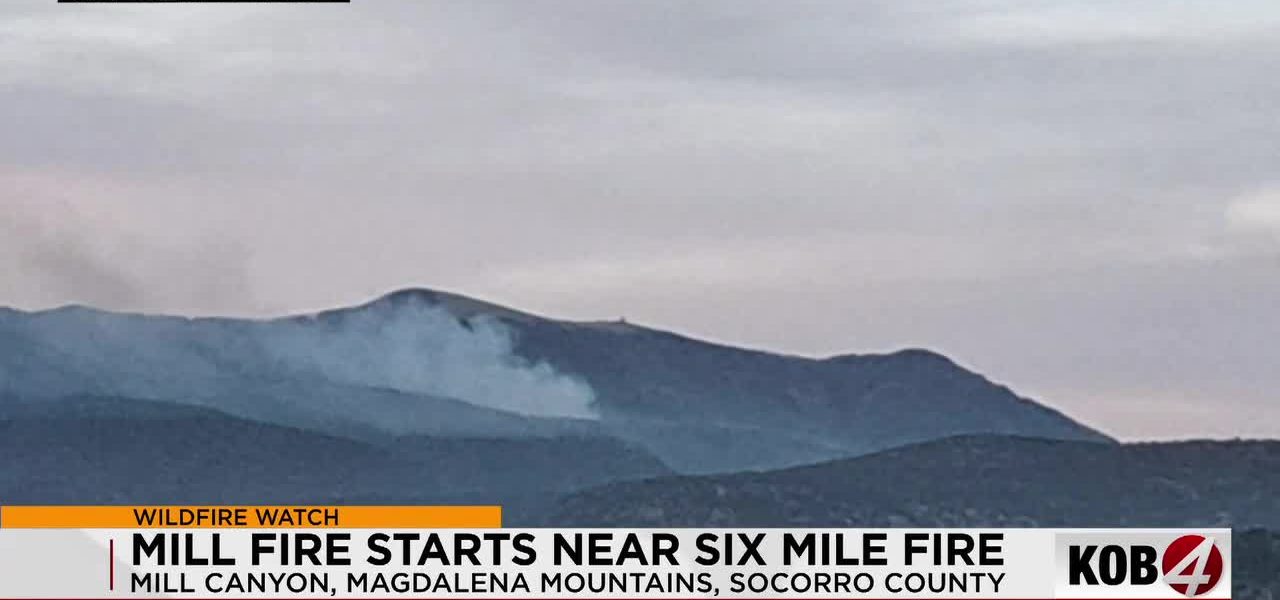
SOCORRO, N.M. — The land here doesn’t just burn; it remembers. It remembers the Six Mile Fire, still smoking from its recent fury. It remembers the Seven Cabins Fire, a fresh wound stretching crews thin. And now, the Mill Fire. Because, as Wednesday dawned on the Magdalena Mountains, just a stone’s throw from Socorro, another unwelcome orange glow appeared, pulling what few resources remain into the seemingly endless maw of New Mexico’s wildfire season. It’s less a fire season, really, than a scorched, grinding siege.
It started small, a mere six acres, the state fire service figures. But six acres on bone-dry scrub, just west of the persistent 341-acre Six Mile inferno—90% contained, mind you, but still breathing — that’s like finding one new crack in an already fractured foundation. It spells trouble. And this isn’t some rogue blaze from a forgotten campfire. This is the new normal, a predictable horror show playing out with grim regularity across landscapes pushed to their breaking point. Local emergency responders don’t get a break. They can’t, not when one crew fighting the Six Mile has already been diverted to wrestle with Seven Cabins, only for another alarm to ring out before the first ashes settle.
“We’re stretched, absolutely,” admitted State Fire Marshal Ramon Ortiz, his voice gravelly over a staticky phone line. “When you’re juggling three, sometimes four active situations simultaneously, especially in terrain like the Magdalenas, it takes a toll on gear, on people. But what’s the alternative? We don’t just walk away.” It’s a sentiment echoed by many on the ground, whose weary eyes scan horizons perennially hazy with smoke, watching nature’s brutal re-calibration unfold.
The state’s landscape, perpetually parched, is feeling the strain. This isn’t unique to the American Southwest, either. Consider the stark, often tragic parallels in other arid zones — like Pakistan, where remote Balochistan provinces frequently grapple with uncontrolled forest fires and desperate resource scarcity. They’re battling their own brutal cycle of extreme weather, heatwaves, — and ecological degradation. What unites these disparate regions isn’t just the parched earth, but the fundamental struggle of governance to protect its people and land when nature, emboldened by a changing climate, simply won’t cooperate. Resources, already tight in developing nations, find themselves even further squeezed. Our own fire suppression costs, as tracked by the National Interagency Fire Center (NIFC), ballooned to nearly $2.5 billion in 2021 alone, underscoring the monstrous financial burden of what’s become a perpetual crisis.
“Folks need to understand this isn’t an isolated incident; it’s a symptom,” remarked Governor Michelle Lujan Grisham in a press briefing from Santa Fe, a hint of frustration coloring her measured tone. “We’re pumping money, time, — and personnel into mitigation and response like never before. But until we truly tackle the larger systemic issues — you know, the ones no one wants to talk about after the smoke clears — we’ll be right back here next year, maybe even next month, staring down another inferno.” Her words hit with the sharp, inconvenient truth that this isn’t merely about putting out individual fires, it’s about acknowledging a new epoch. We’ve got a system that feels designed for a bygone climate, — and it’s faltering. Every new ember signals another rung on a dangerously familiar ladder.
What This Means
The relentless ignition of new blazes, particularly when existing ones remain uncontrolled or merely contained, suggests a deep policy quandary for New Mexico. Economically, this means soaring firefighting costs divert funds from other critical state programs like education or infrastructure development. It’s a perpetual fiscal drain, leaving communities in limbo, impacting everything from tourism—who wants to visit when the mountains are burning?—to the very air quality folks breathe. Politically, Governor Grisham and state legislators face the unenviable task of explaining why, despite increased budgets and operational shifts, the fire problem feels ever-present and unconquered. There’s a risk of voter fatigue, a creeping resignation that state governance is simply unable to get ahead of the curve, despite its best intentions and considerable efforts.
But the real long-term ripple is perhaps environmental. Repeated burns degrade soil quality, intensify flood risks, and wipe out ecosystems that might take centuries to recover. It’s a slow-motion unraveling of the region’s ecological resilience. But it also points to something broader: the global challenge of managing natural resources in a period of climate unpredictability. What happens here, how New Mexico chooses to respond—with novel suppression techniques, massive reforesting campaigns, or perhaps even controlled burns on a scale not yet imagined—might offer valuable lessons (or stark warnings) to other vulnerable regions across the planet, from the Canadian boreal forests to the drought-ridden heartlands of India. These aren’t just local skirmishes with fire; they’re policy dilemmas with far-reaching consequences, domestically and internationally. We’re all in this, aren’t we, watching the planet shift? Every crisis demands a look at the systemic costs of delayed justice, whether that be in the environment or in the legal system, as exemplified by cases like Michigan’s protracted wrongful convictions. It’s a question of priorities, always.