


Wrist-Worthy Assets: The Global Quest for Value, One Chronometer at a Time
POLICY WIRE — GENEVA, Switzerland — Nobody’s talking about interest rates around the polished chrome displays of the Patek Philippe salons in Rue du Rhône. Not directly, anyway. Here, the hushed...

POLICY WIRE — GENEVA, Switzerland — Nobody’s talking about interest rates around the polished chrome displays of the Patek Philippe salons in Rue du Rhône. Not directly, anyway. Here, the hushed murmur isn’t about treasury yields, but about secondary market premiums, scarcity, and—dare we say—the quiet roar of a new speculative bubble. Forget gold, forget certain tech stocks for a minute. The truly discerning, it seems, are sinking their increasingly liquid assets into something altogether more personal, more immediate: high-end mechanical timepieces.
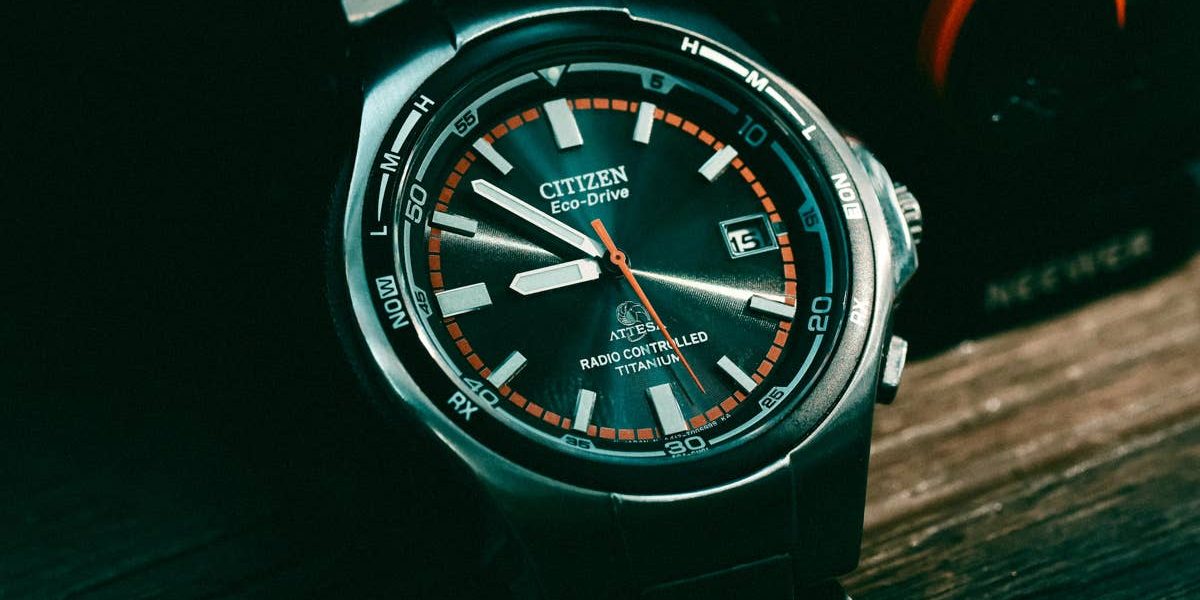
It’s a peculiar twist, isn’t it? Amidst inflation fears and geopolitical jitters, a Citizen-brand luxury sports watch — once just a very nice trinket — is now sending ripples through collector and investor circles. We’re not talking about your uncle’s quartz number, either. These aren’t just watches; they’re tangible investments, an escape route for capital that’s seen too much volatility elsewhere. The original content just scratched the surface, calling it a buzz. It’s more like an earthquake, shaking up conventional notions of wealth preservation.
This market phenomenon isn’t born of whim, but a complex stew of accessible information, social media flexing, and plain old fear. Buyers aren’t merely fashion enthusiasts; they’re hedging. They’ve seen what inflation can do to a dollar, or what a sudden downturn can do to a diversified portfolio. But they can see a Nautilus. They can touch a Royal Oak. And, increasingly, they can count on its value holding—or even skyrocketing.
And boy, have values skyrocketed. According to data from the ‘Global Luxury Market Insights’ report published earlier this year, the average market price for pre-owned luxury sports watches from select brands—including some models from Citizen’s top-tier lines—jumped an eye-watering 32% year-over-year. That’s a return many pension funds would practically murder for, you know?
But there’s a realpolitik to all this, too. “We’re witnessing a distinct re-evaluation of what constitutes a ‘store of value’,” remarked Dr. Anya Sharma, a senior financial economist at the Singapore Management University, in a recent private briefing. “Traditional asset classes, despite their systemic safeguards, don’t feel as secure to many affluent individuals as they once did. A limited-edition watch offers both liquidity and bragging rights—a potent combination in an age of digital wealth where true ownership often feels abstract.”
This sentiment echoes particularly loudly in rapidly expanding economies. Consider the Gulf states, or the rising wealthy class across South Asia, from Bengaluru to Karachi. Here, where financial institutions might not always inspire universal trust, and where wealth is sometimes as quickly amassed as it can be scrutinized, discreet, portable assets like these watches gain appeal. Senator Tariq Al-Hamad, a prominent economic voice from Riyadh, recently acknowledged this trend. “Our region’s investors are global. They seek stability, prestige, — and alternative avenues for capital in a fluid world,” Al-Hamad told state media. “While we champion robust financial markets, the appeal of tangible luxury as an investment isn’t lost on a new generation of sophisticated investors here.” It’s about more than just telling time.
Because ultimately, this isn’t just about wrist candy. It’s about human psychology colliding with macroeconomics. Scarcity drives desire. The manufacturers, like the art world before them, have perfected the delicate dance of controlled supply and inflated demand. They don’t pump these out like widgets. They craft an aura of exclusivity, turning mechanical marvels into financial instruments.
The secondary market thrives on this, an entire ecosystem of dealers, forums, and auction houses forming a parallel financial universe. For the average Joe, it’s just a shiny watch. For the astute investor, it’s a bet on persistent desirability, a wearable stock certificate that whispers status.
But does this hold? Does everything that glitters forever hold its price? Nobody really knows. Every bubble eventually finds its pin, they say. For now, though, the horological market keeps ticking up, — and the world’s elite are very much along for the ride. They’re making bank, frankly. For a generation that’s seen housing crashes and crypto wild rides, maybe a steel sports watch on the wrist just feels… safer. More real.
What This Means
This emergent trend of luxury timepieces morphing into recognized alternative assets carries significant implications, both economically and culturally. Politically, it spotlights the evolving strategies of capital allocation in an era marked by low traditional returns and heightened global uncertainty. The flight of funds from conventional instruments towards tangible, high-value goods signals a deepening distrust in the prevailing financial system, or at least a powerful desire to diversify outside of its immediate influence. This decentralization of wealth storage could make economic forecasting and regulatory oversight a considerably trickier business for central banks and treasuries. Regulators aren’t designed to monitor collectible watches—they’re tracking currencies, equities, and bonds.
Economically, this influx of investment into the luxury market could inflate a separate, unacknowledged bubble, with potential fallout should consumer tastes or investor confidence dramatically shift. Such assets also facilitate discrete wealth transfer, presenting challenges for anti-money laundering efforts, especially in regions with less stringent financial oversight—something governments from Pakistan to the Saudi Kingdom are already grappling with as their economies diversify. Culturally, it reinforces a global class divide, where access to truly secure and appreciating assets becomes another marker of an elite, while average citizens struggle with stagnant wages and inflation eating away at traditional savings. The quiet hum of a watch on a wealthy wrist might be a sign of personal triumph, but it’s also a stark reminder of economic stratification worldwide. And, let’s face it, that’s never a simple matter. It’s complicated, messy even, this whole idea of a watch as an investment. For further reading on unconventional markets, explore how Bengaluru’s economic shifts affect global trends.