

Germany’s Goal Dilemma: A Deeper Read on National Team Psychology Beyond the Pitch
POLICY WIRE — BERLIN — The news, if one can call it that, dropped like a pebble into an ocean of collective anxiety: Alexander Nübel, a perfectly capable goalkeeper, would join Germany’s World Cup...

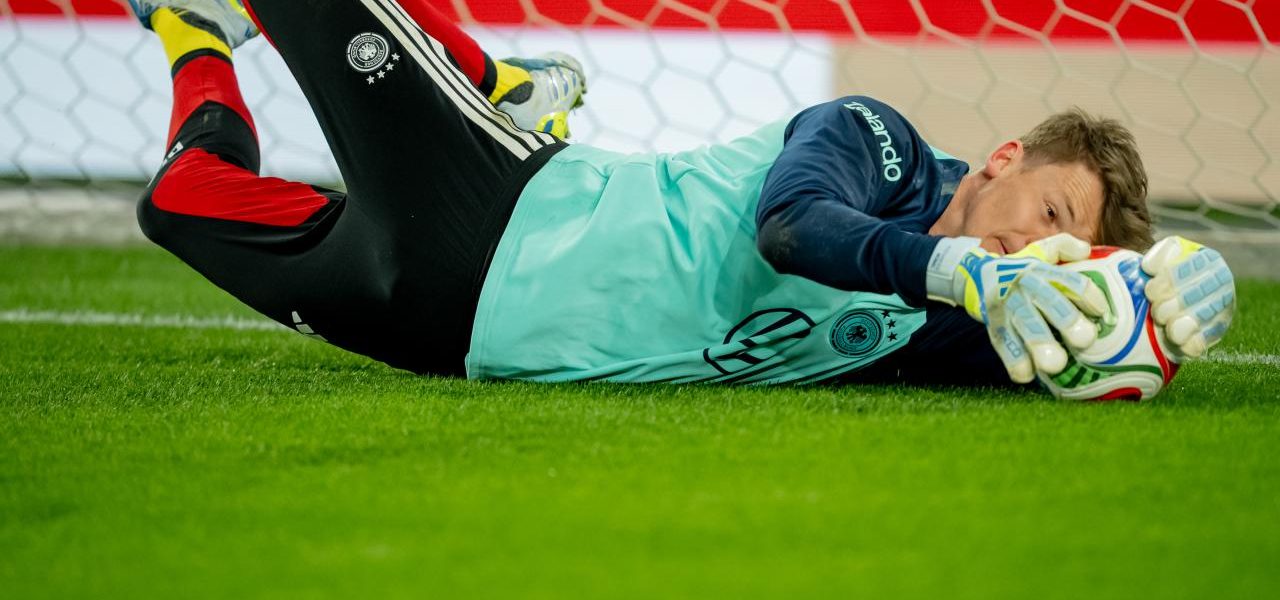
POLICY WIRE — BERLIN — The news, if one can call it that, dropped like a pebble into an ocean of collective anxiety: Alexander Nübel, a perfectly capable goalkeeper, would join Germany’s World Cup contingent. Not as a starter, not even as a guaranteed second stringer—but as backup, a spare tire for a squad that, by most accounts, isn’t quite humming like a Porsche on the Autobahn. And just like that, a decision seemingly mundane to the uninitiated football fan becomes a flicker on a much larger screen, reflecting the meticulous (some might say neurotic) German obsession with reliability, continuity, and an almost pre-emptive aversion to chaos.
It’s easy to dismiss goalkeeper selections as mere sporting minutiae. But for a nation whose self-image is so intricately woven with its footballing success, every single slot in that 26-man roster isn’t just a player; it’s a statement. Nübel, 29, loaned out for three seasons from Bayern Munich to VfB Stuttgart, embodies a particular kind of readiness – tried, tested, but crucially, not perceived as a direct threat to the established order. Not yet, anyway.
Because the order, for now, is Manuel Neuer. At 40, his reign feels almost monarchical, a seemingly unshakeable force even after a minor injury scare against 1. FC Köln. Oliver Baumann, another veteran, slides in as the probable immediate understudy. This hierarchy, so carefully calibrated, tells you a lot about Julian Nagelsmann’s approach. He isn’t just picking players; he’s crafting an ecosystem. A very German one, if you think about it.
“We’ve got to blend seasoned campaigners with a fresh pulse, without rocking the boat too hard,” Nagelsmann reportedly stated in a private conversation, acknowledging the delicate tightrope walk coaches routinely face. “It’s about trust, yes, but also about tactical alignment. Every individual has a role, no matter how small it looks from the outside.” He’s walking a fine line, trying to inject youth without unsettling the experienced bedrock many believe Germany still desperately needs. That’s a common leadership quandary, isn’t it?
Then there’s Jonas Urbig, Bayern Munich’s young keeper, whose journey with the squad for training purposes—but not official registration—feels like a very specific kind of political theatre. He’s there to absorb, to learn, to contribute without claiming a spot. He’s the future, being prepped, but told to wait his turn. And this isn’t just about football; it mirrors larger institutional behaviors where meritocracy meets patronage, where potential is nurtured but power structures are diligently upheld.
The wider omissions, Finn Dahmen of Augsburg and Noah Atubolu from Freiburg, underscore the brutal truth of top-tier sports: a hair’s breadth separates national team inclusion from quiet disappointment. Their absence might signal Nagelsmann’s preference for proven experience, or perhaps simply a moment in time where other profiles simply fit the current strategy better. No grand conspiracy, just the hard math of squad limits.
But the ramifications of such selections aren’t just confined to Germany’s borders. The World Cup itself is far more than a sporting event; it’s a global stage, a reflection of societal shifts and geopolitical undercurrents. Germany’s diverse team, a patchwork of heritage including players of Turkish, Ghanaian, or even Brazilian descent in recent iterations, projects an image of a modern European power – a far cry from the more ethnically homogeneous squads of previous decades.
This image resonates profoundly in places like Pakistan, a nation with its own fervent football following despite cricket’s dominance, and a vast diaspora across Europe. When a Mesut Özil or an İlkay Gündoğan pulls on the German jersey—even if neither is a goalkeeper, obviously—it tells a story to a billion people. It’s a subtle nod to integration, opportunity, — and the permeability of national identity. Policy-wise, this soft power is invaluable, creating a global fan base, but also subtly weaving Germany into the cultural narratives of countries far beyond its direct political reach.
According to FIFA, the 2022 World Cup final alone drew a global audience of nearly 1.5 billion people, with significant portions tuning in from Asia. So, every German player chosen – even a third-string goalie – inadvertently becomes an ambassador. An official from the German Football Association (DFB), speaking anonymously on the matter of global perception, once quipped, “Our boys aren’t just playing for Germany; they’re showing the world who Germany is. And that’s a weighty responsibility, whether you’re scoring goals or just warming the bench.” It’s true. The political heft attached to even minor sporting announcements just gets heavier, particularly for major national teams whose success is often seen as shorthand for national vigour. You can read more on the broader implications of these mega-events on geopolitics here: The World Cup: More Than a Game, a Geopolitical Powder Keg Waiting to Explode.
What This Means
This seemingly innocuous goalkeeper selection, unveiled ahead of Nagelsmann’s official roster, tells a larger story of German policy – not just on the pitch, but in how it projects itself to the world. Economically, a stable, well-performing national team fuels merchandise sales, boosts tourism (for home tournaments), and burnishes the ‘Made in Germany’ brand globally. A successful World Cup campaign translates to intangible but real economic confidence, even triggering bursts of consumer spending. Remember the “Sommermärchen” effect of 2006? That wasn’t just about football; it was an economic stimulus wrapped in a party. Politically, the continuity implied by sticking with veterans like Neuer, despite concerns, signals a desire for stability, an aversion to dramatic shifts, which echoes German foreign policy postures in more formal settings. They’re playing it safe, carefully, calculating the risks of bold moves versus the rewards of maintaining a steady course. For emerging markets — and nations like Pakistan, such choices aren’t just about who makes saves. They become narratives of national competence, global integration, and aspirational achievement that transcend the boundaries of the beautiful game.