


Cricket’s Long Game: Bangladesh Finds its Anchor, Again, in Mushfiqur Rahim
POLICY WIRE — Sylhet, Bangladesh — The late afternoon sun was fading over Sylhet, taking with it, perhaps, a certain kind of innocence in Bangladeshi cricket. Because when Mushfiqur Rahim unfurled...

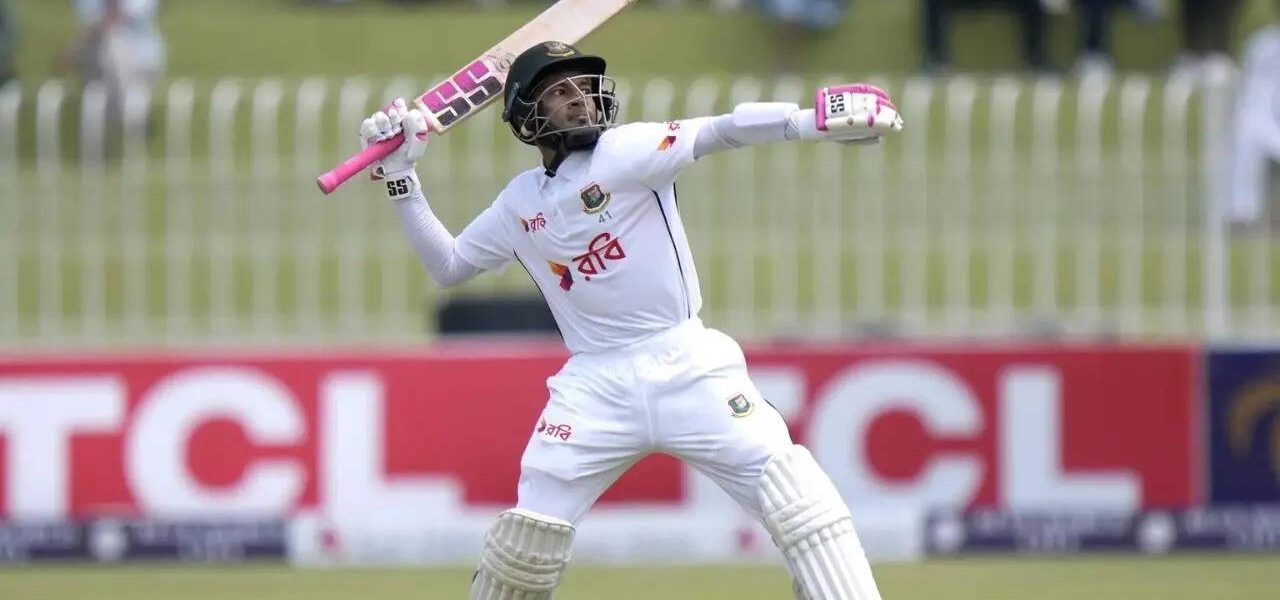
POLICY WIRE — Sylhet, Bangladesh — The late afternoon sun was fading over Sylhet, taking with it, perhaps, a certain kind of innocence in Bangladeshi cricket. Because when Mushfiqur Rahim unfurled another—his fourteenth—Test century against Pakistan on Monday, it wasn’t just a number. No, it was a whole mood, a gritted-teeth affirmation of intent from a nation often fighting for its spot at the top table, a quiet declaration from a 39-year-old warrior who frankly, shouldn’t still be doing this with such consistent flair. It was an exercise in pure defiance, isn’t it?
It’s a peculiar thing, seeing a man whose contemporaries have long since hung up their whites, still out there, grinding through 102 Test matches. And to notch your personal best in that context, to keep reinventing yourself for over two decades—that’s not just skill, that’s stubbornness. It’s the kind of dedication that makes you think maybe, just maybe, these athletes aren’t just playing a game; they’re carving out legacies. Rahim, who decided Tests are his sole focus after shedding the T20 and ODI commitments, clearly relishes the longer format, where temperament matters more than muscle-bound theatrics.
His 137 runs in the second innings weren’t flamboyant. They were meticulously built, a craftsman’s work, garnished with 12 fours and a solitary six—enough to remind everyone he still knows where the boundary ropes live. That century nudged him past Mominul Haque, making him Bangladesh’s leading century-maker in Tests. And get this: in the very same knock, he sailed past the staggering mark of 16,000 international runs, becoming the first Bangladeshi cricketer to reach that sum across all formats. For a nation that cherishes its sporting heroes with an almost familial fervor, Mushfiqur isn’t just a name; he’s an institution. International cricket statistics confirm his total now stands at a formidable 16,058 runs.
The cheers in Sylhet were less a roar and more a sustained hum of appreciation, the sort you give someone who’s been around for your entire conscious life, consistently delivering. Teammates, we hear, rose to their feet in the dressing room—a small gesture, sure, but it speaks volumes about the respect the man commands. Pakistan’s bowlers, like Khurram Shahzad who snagged four wickets in the first innings, and Mohammad Abbas, must have been utterly fed up. You thought you had him, then he’s still there, nudging another single.
“Mushfiqur’s persistence is genuinely inspiring for every young player in Bangladesh,” observed Akram Khan, the Bangladesh Cricket Board’s operations committee chairman, speaking with Policy Wire. “He shows them what sustained dedication looks like. It’s not just about talent; it’s about enduring. We’re incredibly proud to see him rewriting our record books, again — and again.”
But the story isn’t just about Rahim, it’s about Bangladesh squaring up to its regional giant. After trouncing Pakistan by 104 runs in the first Test in Dhaka, the Tigers (that’s their nickname, don’t you know?) are staring down a series clean sweep. That’s a big deal. For Pakistan, struggling with Babar Azam’s return form—he managed 68 off 84 in the first innings here, which is okay but not match-winning—and the general team dynamics, this tour is turning into a bit of a nightmare. “Frankly, we’ve been outplayed, plain — and simple,” conceded Saqlain Mushtaq, a prominent Pakistani cricket analyst. “Rahim’s innings was a masterclass in grinding out a score under pressure. We simply haven’t shown that kind of mettle consistently. The boys know what’s at stake, but knowing — and delivering are two different things, aren’t they?”
The Bangladesh scoreboard, boasting Litton Das’s brisk 126 in the first innings—a proper counter-attacking knock—alongside Rahim’s century, means they’ve set Pakistan a mammoth 437-run target. And, frankly, those two innings make the earlier 278, which Taijul Islam and Nahid Rana helped defend with three wickets each, look a distant memory. Pakistan’s modest 232 in reply was a clear signal; they’re on the back foot. And the Tigers are now licking their lips, ready to hunt those final ten wickets over the next two days for a famous whitewash.
What This Means
This isn’t just about cricket scores. No, it’s far more layered. For Bangladesh, these victories, particularly over a regional heavyweight like Pakistan, are potent symbols of national progression and a quiet, determined rise on the global stage. Sporting success, especially when played out in front of billions, does wonders for soft power. It projects an image of competence, resilience, and a growing confidence that often spills into economic and political discourse. It says: “We can compete.” And it says it loudly, without needing a megaphone.
Pakistan, meanwhile, faces another moment of introspection. Its cricketing prowess, once unquestioned, seems to be increasingly vulnerable in the longer formats, especially against spirited, emerging teams. This isn’t good for team morale, for sponsor interest, or for a populace that takes its cricket as seriously as it takes its politics. Regional rivalries and national pride are inextricably linked in South Asia, and a series loss here reverberates far beyond the boundary ropes.
For the wider Muslim world, seeing Bangladesh carve out such significant sporting narratives offers a different kind of visibility. It breaks away from stereotypical portrayals, highlighting the diverse aspirations and achievements within Muslim-majority nations. It’s about representation, really. Because when you see a Mushfiqur Rahim defy age and expectation, you’re not just seeing a cricketer; you’re witnessing a nation’s stubborn will to succeed. That’s a political statement in itself, isn’t it?