
Sanctions’ Cold Grip: Former Everton Director’s Bid to Thaw Russian Assets Fails
POLICY WIRE — LONDON, UK — Some battles aren’t fought on hallowed turf. They’re waged in hushed courtrooms, in bureaucratic labyrinths that stretch years, draining fortunes —...

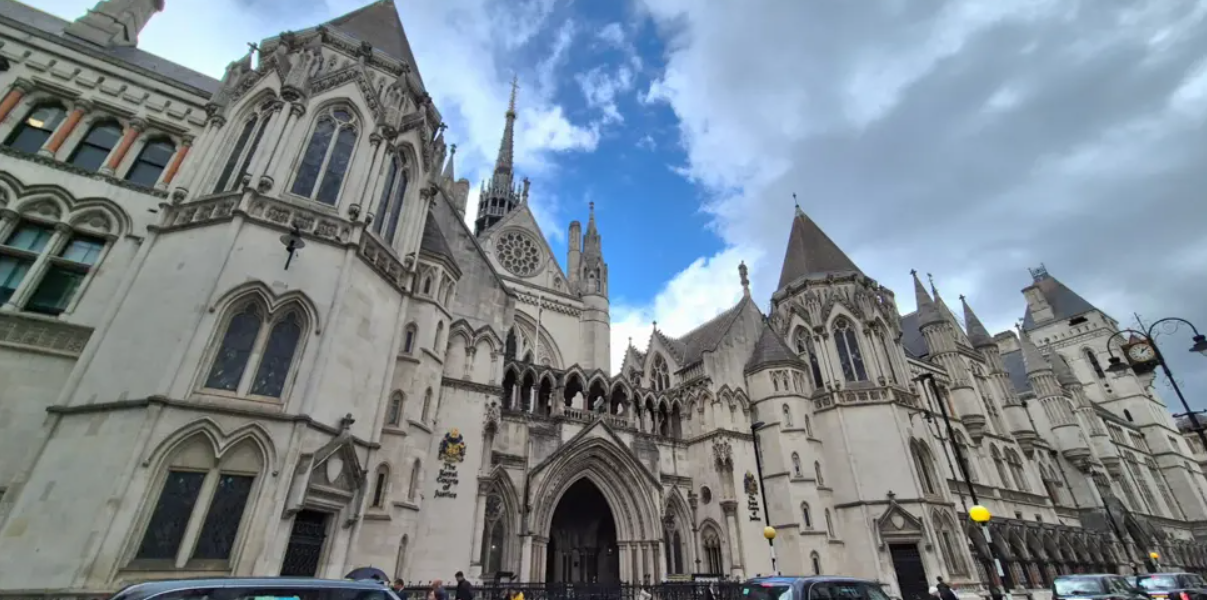
POLICY WIRE — LONDON, UK — Some battles aren’t fought on hallowed turf. They’re waged in hushed courtrooms, in bureaucratic labyrinths that stretch years, draining fortunes — and reputations. For one former Everton Football Club director, that drawn-out skirmish against the United Kingdom’s robust Russian sanctions regime has ended not with a bang, but with a conclusive whimper. A recent judicial decision solidified what many already suspected: London isn’t budging on its hardline stance against those perceived to be Kremlin-linked. The high court’s dismissal of the director’s appeal isn’t just a legal footnote; it’s a blunt declaration.
It’s a clear message to those who might’ve harbored illusions of sidestepping Western restrictions, that the mechanisms put in place post-Ukraine invasion are holding tight. This particular gentleman, whose financial entanglement with Russian entities became too close for comfort under evolving international strictures, sought relief. He hoped to unfreeze funds—to get back to something resembling normal business—but the judges weren’t swayed. They’ve seen plenty of these arguments; they rarely bite.
The director, a man once mingling with Premier League elite, now finds his name synonymous with the ongoing, complicated saga of punitive economic measures. His lawyers, no doubt pricey, presented arguments ranging from procedural unfairness to the alleged disproportionality of the measures against him personally. But the court maintained that the Treasury’s decision-making process was sound. It upheld the framework. That’s how these things go.
“These judgments reinforce our government’s unwavering commitment,” stated Eleanor Vance, a senior official at His Majesty’s Treasury, in a rare public comment. “There’s no back door, no wiggle room when it comes to countering Kremlin aggression, regardless of the individual’s former standing. The policy’s intent is to disrupt financial flows that support hostile state actions, and it’s working.” Vance added that they’re not interested in optics; they’re interested in impact. And it’s an impact that clearly reached far beyond just Moscow boardrooms.
Because the consequences here extend beyond one man’s frozen bank accounts. This ruling speaks to the larger, almost glacial shift in how the West is trying to insulate its financial systems from what it deems illegitimate capital. These sanctions aren’t just about Moscow; they’re about how interconnected wealth has become globally. You see it play out in places like Dubai, where questions persist about money laundering channels potentially involving individuals from Pakistan and across the broader Muslim world—regions that, while not directly involved in the UK-Russia dynamic, nonetheless feel the financial reverberations.
“The bar for proving humanitarian hardship or demonstrating material procedural error is incredibly high in these sanctions cases,” observed Dr. Omar Hashmi, a legal scholar specializing in international finance. “These disputes aren’t just about individual asset freezes; they’re designed to chill future illicit financial activity, sending a very clear message across jurisdictions.” Dr. Hashmi noted that the economic cost to the UK of maintaining and enforcing these sanctions, let alone the legal costs for those challenging them, runs into the hundreds of millions annually. An astonishing amount, if you think about it—just to make a point.
Data from the UK Office for Budget Responsibility, for example, projected the cost of enforcing the post-Brexit sanctions regime to be around £50 million annually for the Treasury itself, and that’s without counting broader economic impacts. But that’s just the tip of the iceberg, really. For those facing sanctions, the personal legal costs can swiftly become astronomical—often running into the millions for complex, multi-year challenges that frequently fail.
But how do these rulings, focused squarely on Anglo-Russian financial flows, affect developing nations? Well, global capital seeks stability. When major financial centers like London become heavily regulated and risk-averse concerning specific money streams, that capital often looks elsewhere. Some of it finds its way to markets with looser oversight, increasing scrutiny on emerging economies in South Asia and elsewhere—forcing them to choose between foreign investment and tighter compliance. It’s not a simple equation. And nations like Pakistan, constantly striving to attract foreign direct investment, often find themselves under increased pressure from international bodies to enhance their anti-money laundering frameworks, just to stay on the right side of global finance. It’s a continuous, often unseen, balancing act.
Because ultimately, these legal defeats are about setting precedents. They solidify the government’s muscle, giving other jurisdictions a template. They tell you that despite all the talk of international business and sporting camaraderie, the world’s lines are drawn, and if you’re caught on the wrong side, escaping the grid isn’t easy.
What This Means
The high court’s dismissal of the former Everton director’s sanctions challenge is more than just an individual’s financial setback; it’s a blunt affirmation of the UK’s unwavering geopolitical strategy. Politically, this ruling offers a shot in the arm for Western allies. It signals resolve, reinforcing the notion that sanctions aren’t toothless threats but enforceable tools designed to inflict genuine economic discomfort. This firmness could embolden other nations facing similar diplomatic pressures, perhaps even informing future policy regarding global crises, much like the considerations involved in something such as the US-Iran Five-Point Plan signals for dealing with nuclear non-proliferation or economic pressure. It clarifies that, at least in London, financial leverage trumps personal appeal when national security concerns are invoked.
Economically, the impact is equally substantial. It creates a chilling effect across high-net-worth individuals and corporations who maintain any significant ties to sanctioned entities or geographies. This isn’t about just a few individuals; it’s about a vast network. Businesses will undoubtedly double down on due diligence, reassessing risk exposure with heightened scrutiny. Expect legal departments in major corporations to issue fresh warnings, ensuring compliance frameworks are watertight. For the financial services sector, particularly in London, it reaffirms its role as a gatekeeper against illicit finance, albeit a demanding and costly one. Any hopes that these sanctions might be eroding, that the political will to enforce them was weakening, have now been decisively put to rest. The costs—both financial and reputational—for getting caught in this web just went up.