


The Road’s Relentless Toll: New Mexico’s Grim Reality Drowns Out ‘Awareness’ Efforts
POLICY WIRE — Albuquerque, New Mexico — You’d think May, dubbed ‘Motorcycle Awareness Month’ by the legions of bureaucrats and lobbyists who decide such things, would bring with it a...

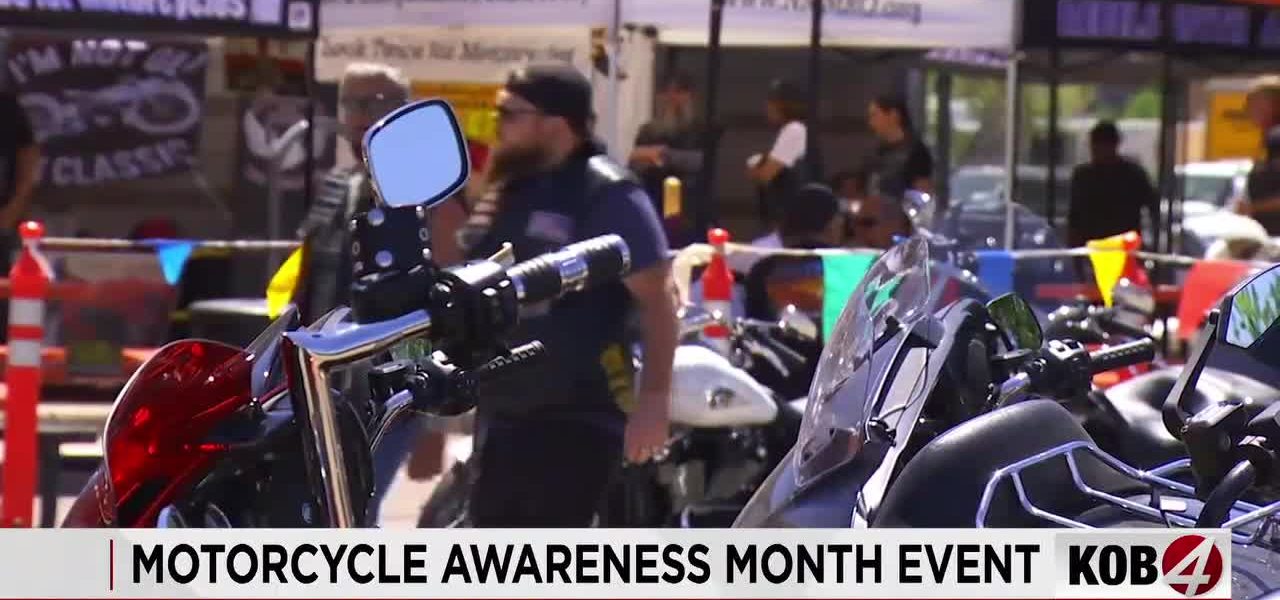
POLICY WIRE — Albuquerque, New Mexico — You’d think May, dubbed ‘Motorcycle Awareness Month’ by the legions of bureaucrats and lobbyists who decide such things, would bring with it a collective sigh of careful co-existence on the asphalt. But out here, in the wide-open, dust-choked expanse of New Mexico’s urban sprawl, the grim reaper evidently didn’t get the memo. While safety campaigns plaster billboards — and social feeds, the death toll climbs. It’s a tragic, unsettling dissonance—one that’s leaving the local motorcycle community reeling, despite the calendar’s assurances.
It’s a peculiar irony, isn’t it? An entire month dedicated to telling people what they should already know: that motorcycles are small, and traffic is unforgiving. Yet, this year, in — and around Albuquerque, riders aren’t just observing a month; they’re mourning its victims. The metallic clang of custom exhaust pipes has been drowned out by the somber echo of memorial rides, each one a stark reminder that ‘awareness’ is a far cry from ‘prevention.’ It’s a hard lesson, dealt in scraped chrome and broken lives.
Frank Montaño, a man they call ‘Classic’ — a title that, frankly, fits the grizzled, straight-talking chairman of the New Mexico Motorcyclist Rights Association — didn’t mince words. Speaking from an event at a local Harley-Davidson dealership, surrounded by polished machines that, just last week, saw their counterparts folded into unforgiving steel and asphalt, his frustration was palpable. “This week has been rough,” Montaño observed, the lines etched around his eyes deepening, “and we’re like, what’s going on? So it just made us refocus on our mission that we have got to do more. We have got to figure out how to reach out to everybody, not just drivers, but riders included, how to reach out and say, listen, ‘your life is important. Don’t ever take it for granted’.” Because for many, taking it for granted has become a death sentence.
The sentiment is heavy, thick in the air, much like the desert heat that often shimmers above these dangerous highways. Riders don’t just feel the losses individually; they’re feeling it collectively, an ever-present, communal ache. “The whole Albuquerque community and vicinity, all around us, is hurting for these riders,” Montaño continued, a gruff sincerity underscoring his voice. “We’re all hurting for it. So we want people to know you’re important to us. Take care of yourselves. Ride as safe as you possibly can, especially this town’s growing too much.”
And therein lies a part of the insidious problem. Albuquerque isn’t just growing; it’s metastasizing, its infrastructure often struggling to keep pace with the influx of vehicles, pedestrians, and two-wheeled travelers. Traffic patterns morph, unfamiliar roads spring up, and drivers — whether distracted by their smartphones or just plain oblivious — often fail to adjust. That ‘look twice’ mantra, drilled into every fledgling rider, often seems to be a mere suggestion for those behind the wheel of a ton of metal.
But it isn’t just about driver awareness. Officials acknowledge that motorcyclists themselves aren’t always faultless, navigating a hazardous world with varying degrees of skill and caution. “While campaigns focus on motorist vigilance, riders also carry the burden of their own safety,” commented Patricia Chavez, Director of the New Mexico Department of Transportation’s Road Safety Bureau, in an earlier, rather less public, statement. “It’s a shared responsibility, a two-way street that too often turns into a dead end for our most vulnerable road users. We’re investing in signage, certainly, but behavior change takes a lot more than just a fresh coat of paint.” She’s not wrong; you can put up all the signs you want, but if folks aren’t paying attention, what’s the point? The city’s notorious traffic infrastructure certainly doesn’t help, adding layers of complexity to already dicey commutes.
📄 POLICY WIRE WHITEPAPER PUBLISHED: PAKISTAN'S NATIONAL SECURITY POLICY PRIORITIES
👉 READ BY CLICKING HEREData from the New Mexico Department of Transportation (NMDOT) indicates that motorcycle fatalities in the state jumped by over 20% between 2020 and 2022. This isn’t a slow creep; it’s a terrifying spike that stands in stark contrast to efforts meant to flatten such curves. Contrast that with burgeoning megacities across South Asia—Karachi, Lahore—where motorcycles represent the very bloodstream of urban mobility. In places like Pakistan, the sheer volume of two-wheelers on the road often leads to casualty rates that dwarf Western figures, where congested, less regulated environments force a unique, albeit brutal, form of defensive riding. What we’re seeing here in Albuquerque isn’t quite that, not yet anyway. But the underlying challenges of rapid urbanization, infrastructure strain, and the often-cavalier attitude towards motorcycle safety—both by drivers and, at times, riders themselves—offer a grim, international echo. They’re dealing with it at scale; we’re seeing its localized, heartbreaking debut.
What This Means
The spike in motorcycle fatalities, particularly within a designated ‘awareness month,’ isn’t just a statistical blip. Politically, it amplifies pressure on local and state leadership to actually do something beyond press releases and branded campaigns. We’re likely to see renewed calls for increased law enforcement presence—perhaps even dedicated motorcycle traffic units—and certainly, more money thrown at public safety education. Because if the current messaging isn’t sticking, someone’s got to take the fall, or, more accurately, spend to show they’re taking action.
Economically, this situation’s got teeth, too. Higher accident rates translate to inflated insurance premiums for everyone—riders and drivers alike. It puts a strain on emergency services, hospital resources, and contributes to lost productivity through injuries and fatalities. And for a city like Albuquerque that trades on its unique culture and burgeoning tourism (especially with outdoor activities that sometimes involve, you guessed it, motorcycles), a reputation for dangerous roads isn’t exactly a draw. There’s a tangible economic ripple, from the repair shops struggling with a tragic uptick in totaled bikes, to the mental health services dealing with the community’s collective trauma. This isn’t just about sad stories; it’s about dollars and cents, about societal cost, about the price of collective inattention. But hey, it’s May. We were supposed to be aware, weren’t we?