


Digital Dust-Up: Fake Gold Edict Spurs Panic, Exposes India’s Trust Fault Lines
POLICY WIRE — New Delhi, India — The message flashed across WhatsApp screens like a brushfire, igniting widespread panic amongst India’s vast gold-loving populace. It wasn’t a state...

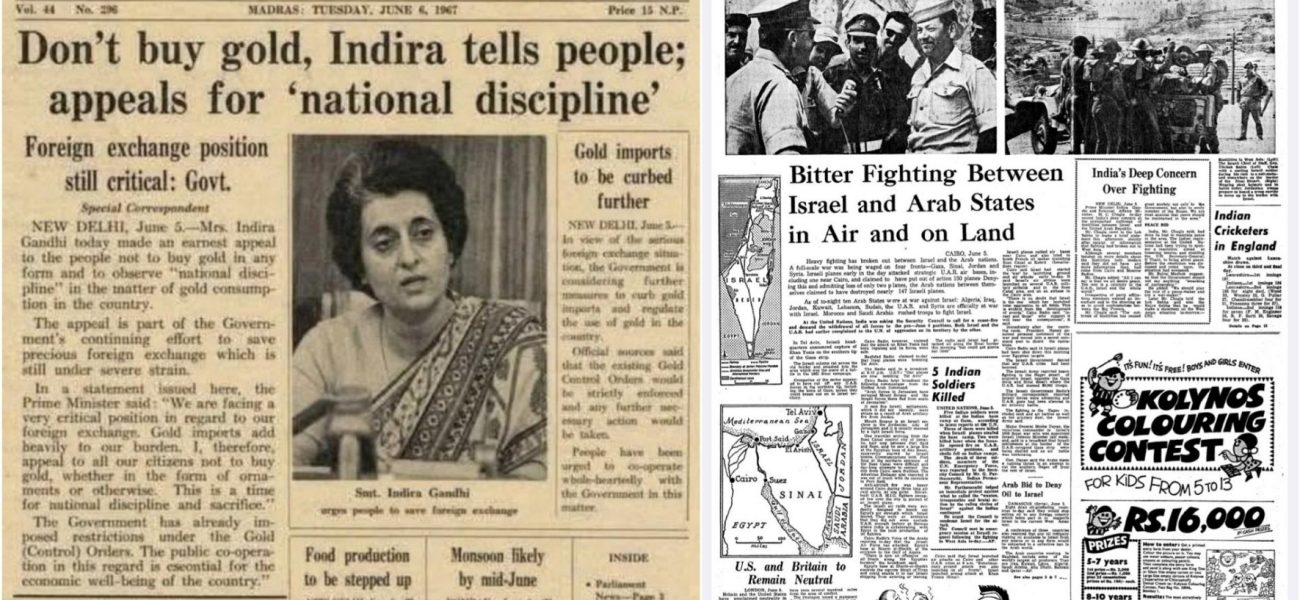
POLICY WIRE — New Delhi, India — The message flashed across WhatsApp screens like a brushfire, igniting widespread panic amongst India’s vast gold-loving populace. It wasn’t a state decree, nor a presidential order—just a cleverly doctored newspaper front page, designed to look legitimate, declaring draconian new measures for gold confiscation and stringent ownership limits. The digital age, you see, offers everyone a megaphone. And sometimes, it’s used to scream economic Armageddon.
It didn’t take long for the hoax to spread, mutating from casual share to urgent warning. Millions—we’re talking about folks whose family savings are often held in the tangible gleam of 24-karat metal—found themselves facing what appeared to be an unthinkable state grab. A 50-gram limit for single women, 100 grams for married ones, — and a paltry 20-gram cap for men? Owners, according to the fake headline, would need to declare holdings, face immediate scrutiny. And that, well, that hit a nerve that’s been throbbing for centuries.
Government officials, caught flat-footed by the speed of its dissemination, eventually had to step in. And they did so with a bluntness born of sheer frustration. “Let’s be absolutely clear,” stated Information and Broadcasting Minister, Anurag Thakur, during a hastily called press briefing. “This is unequivocally false. An irresponsible, malicious attempt to create disorder. We’re tracking its origins, and anyone found responsible will face the full force of the law.” His words, while reassuring, still wrestled with the digital ghost that had already taken hold.
But the damage, to some extent, was already done. The immediate aftermath saw a flurry of calls to jewelers, banks, and relatives, as individuals tried to make sense of what seemed to be a sudden shift in policy. For a nation where gold isn’t just an investment but a cultural anchor—a symbol of prosperity, a dowry necessity, a hedge against uncertain times—such a rumor stokes primitive fears. Just ask anyone who’s lived through India’s various demonetization efforts; trust in institutional statements isn’t exactly ironclad, you know?
The incident also sheds light on broader regional susceptibilities. In many parts of South Asia, particularly in Pakistan and various Muslim-majority nations, gold holds a similarly revered status. It’s often the first port of call for remittances from expatriates working in the Gulf—funds that might otherwise languish in unstable currencies. Any hint of government overreach regarding personal wealth sends tremors through these societies. It’s not just about money; it’s about control, legacy, — and faith in the state’s respect for private assets.
But how does such a blatant forgery gain traction? It’s simple, really: a potent cocktail of existing anxieties — and the sheer velocity of social media. “People don’t read beyond the headline anymore,” quipped Dr. Ramani Shekhar, an independent economic analyst in Mumbai. “They scan. They share. This sort of psychological warfare—and make no mistake, it’s warfare—leverages that instantaneous consumption. We’ve got to rebuild fundamental media literacy, or we’re simply inviting these chaos merchants in.” And she’s right, aren’t we?
Consider the raw numbers. India’s households, according to the World Gold Council, hold an estimated 25,000 tonnes of gold—an amount that truly dwarfs many countries’ central bank reserves. That’s a staggering figure, folks, representing a significant portion of personal wealth. So, when the notion of state intervention arises, it’s not a fringe concern; it’s a threat to a vast segment of the population. But it also represents the stark reality of how easy it’s become to weaponize public fear.
📄 POLICY WIRE WHITEPAPER PUBLISHED: PAKISTAN'S NATIONAL SECURITY POLICY PRIORITIES
👉 READ BY CLICKING HEREAnd this wasn’t an isolated incident. There’s a troubling trend of manufactured news pieces, often circulated ahead of critical elections or periods of economic uncertainty, aiming to destabilize, to sow dissent. The battle for truth, it appears, is being fought one forwarded message at a time. It’s digital trench warfare, where fake news becomes as potent as any economic policy.
What This Means
This episode is more than just a momentary blip; it’s a flashing red light on India’s digital landscape — and beyond. Economically, the immediate fallout, though contained by swift official denials, exposed a deep vein of vulnerability. Imagine if this hoax had gone unchecked for even a few hours longer; you’d have seen frantic selling, destabilizing gold markets, and potentially impacting the wider financial sector. It certainly demonstrates the need for robust rapid-response mechanisms from government and financial bodies to counter such disruptive misinformation.
Politically, the incident underlines the fragility of public trust. When official communication struggles to keep pace with viral falsehoods, it chips away at the government’s credibility. It hands a powerful, if ethically dubious, tool to political opponents or fringe groups looking to incite panic or discontent. The fact that the rumor could easily trigger anxieties about state seizure hints at historical grievances and lingering public skepticism toward economic interventions—something authorities need to address proactively, not just reactively.
it highlights the growing global challenge of information integrity. India, with its colossal smartphone penetration and deeply embedded social media use, is a bellwether for what many nations face. This isn’t just about ‘fake news’; it’s about digital authoritarianism by stealth—where anonymous actors can manipulate public sentiment and market dynamics without ever firing a shot. The gold hoax, ultimately, was a test run. And the results weren’t entirely reassuring, exposing how quickly a narrative can overpower fact. For insights into the deeper currents affecting global economies, one might look at issues like Europe’s Housing Hope Dims as Persian Gulf Fears Cast Long Shadows, illustrating how interconnected financial anxieties truly are.