


Beyond the Boots and the Beats: Unpacking Albuquerque’s Country Music Colossus
POLICY WIRE — ALBUQUERQUE, N.M. — A dusty, New Mexican sky wasn’t just holding stars last weekend; it was cradling a small, bright moment for nine-year-old Hunter Rael, an instant that might...

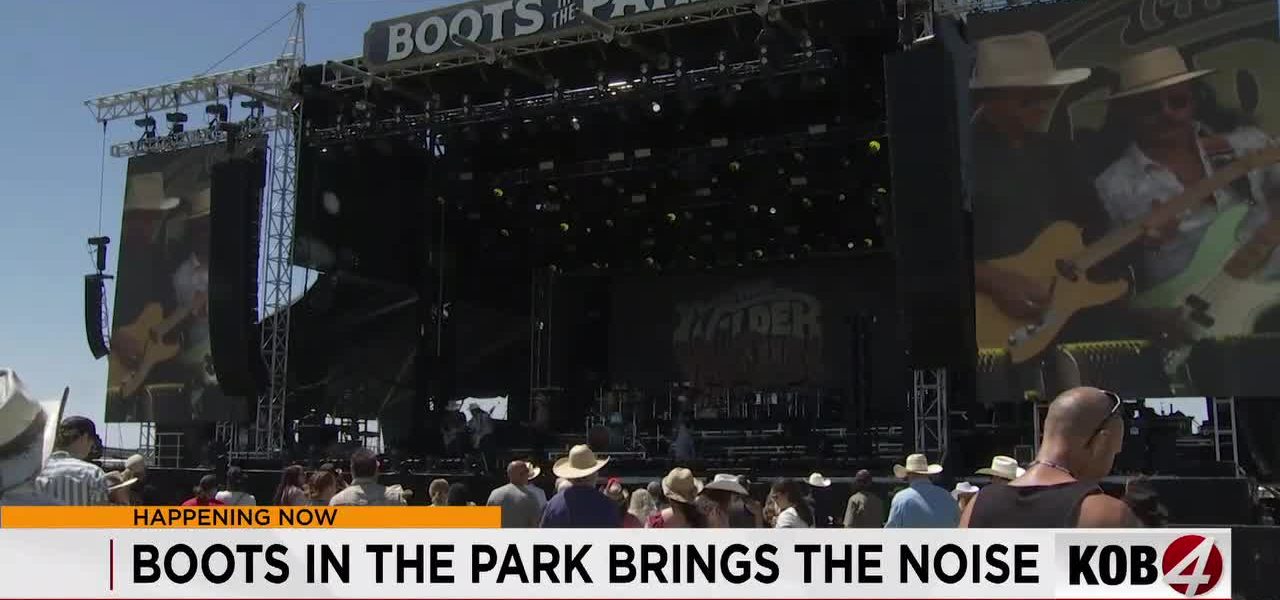
POLICY WIRE — ALBUQUERQUE, N.M. — A dusty, New Mexican sky wasn’t just holding stars last weekend; it was cradling a small, bright moment for nine-year-old Hunter Rael, an instant that might say more about modern mass entertainment than any fiscal report ever could. See, amidst the ten-gallon hats and amplified twang of Albuquerque’s ‘Boots in the Park’ festival, a young fan fighting Kawasaki’s disease got pulled onto the main stage. And that, frankly, tells a story about what folks are really buying when they drop big money on a concert ticket: an authentic human experience, not just a catchy tune.
It wasn’t exactly planned, this unexpected tearjerker, according to Steve Thacher, the seasoned CEO behind Activated Events, the company orchestrating the whole loud affair. You can’t just bottle these things up. The festival, now in its third year, exploded onto the scene at Balloon Fiesta Park, a venue usually reserved for, well, balloons. This year, it was packed to the gills with an estimated 25,000 attendees, a real crush of humanity—a sprawling canvas of Stetsons and denim converging on two stages, each louder and later than the last. But it was that moment, with musician Jelly Roll addressing young Rael, that sliced through the usual concert din. “That was a very special moment,” Thacher reflected, a hint of genuine awe still in his voice days later. “To be honest with you, I didn’t even know that was gonna happen. I was watching it unfold like the rest of the crowd, but I felt a real sense of pride that Hunter got to, you know, get his dream come true.” Sometimes, you get lucky, and the real magic just sorta materializes.
But the raw, human element aside, let’s be real: this whole country music shindig is a business. A big one. “Look, these events aren’t just about boots and beers anymore,” noted Maria Rodriguez, Albuquerque’s sharp Director of Cultural Tourism, her voice carrying the weariness of a thousand budget meetings. “They’re massive economic engines, pure — and simple. For every dollar spent on a ticket, you’re talking untold ripple effects across local businesses—from our mom-and-pop diners to the big hotel chains. And sometimes, yeah, you get these heartwarming moments that money can’t buy, moments that kinda stick. They’re good for the brand, good for the soul, — and damn good for the coffers.”
That particular coffers part? She’s not wrong. The country music industry alone pulled in an estimated $5.8 billion in the U.S. in 2022, according to Billboard reports, a tidy sum that shows just how many folks are still hankering for twangy guitars and tales of heartache. This ain’t small potatoes. Albuquerque’s event, which organizers claim grew “bigger and better” this year, certainly contributed its share to that pie. It’s a carefully calibrated production designed to bring in not just locals, but those out-of-town wallets, too. Because whether it’s a packed arena in Nashville or a makeshift outdoor stage in New Mexico, these festivals are economic drivers, attracting investment and leaving a footprint, however temporary, on the local economy.
And really, when you get down to it, this whole phenomenon—the craving for collective experience, the escapism, the shared identity found in a few chords and a familiar lyric—it’s hardly unique to the American West. Think about it. You see parallels everywhere, even continents away. In vibrant cities like Karachi or Lahore, where the pace is often breakneck and societal pressures run deep, the urge for communal release manifests in its own way. Maybe it’s not stadium country, but the packed bazaars leading up to Eid celebrations, the mass participation in cricket matches, or even political rallies that bring thousands, if not millions, together. These are just different expressions of that same deeply human need to belong, to forget, even if just for an afternoon or an evening, the daily grind and feel part of something bigger. There’s a universality to that impulse, regardless of the cultural trappings. We crave spectacle; we crave connection.
📄 POLICY WIRE WHITEPAPER PUBLISHED: PAKISTAN'S NATIONAL SECURITY POLICY PRIORITIES
👉 READ BY CLICKING HEREIt’s what happens when people find something — anything, really — that resonates beyond the noise. So while Albuquerque reveled in its third ‘Boots in the Park,’ it’s more than just a party with a soundtrack. It’s a cog in a far larger machine, ticking away on human desire, economic opportunity, and the occasionally unscripted moment that reminds us why we still bother showing up in the first place.
What This Means
This isn’t just about cowboy hats and good times; it’s a case study in modern entertainment’s evolving role, both culturally and economically. The success of ‘Boots in the Park’ in Albuquerque reflects a broader trend of decentralized, specialized festivals thriving outside traditional music hubs. It points to a demographic that’s willing to travel and spend, injecting much-needed tourism dollars into local economies, particularly in regions that might not typically draw such large crowds. This means city planners and economic development agencies should be looking hard at these cultural events, not as mere distractions, but as powerful engines for growth and civic pride. the integration of unexpected, deeply human moments – like Hunter Rael’s stage appearance – suggests a public yearning for authenticity that mega-productions often struggle to provide. For policy makers, it’s a cue to nurture environments where these organic, community-building moments can flourish, whether through local grants or streamlined event permits. The crossover appeal of genre-specific festivals is something every municipality should be considering. Because these gatherings? They’re becoming less about a single night’s escapism and more about sustained economic impact, community cohesion, and, sometimes, reminding us all of the raw, undeniable power of human connection, even in a field full of strangers.