


Europe’s Grand Arena: Juventus vs. Fiorentina – More Than a Game, It’s Global Commerce
POLICY WIRE — TURIN, ITALY — Forget the kickoff time, the players’ names—those are just window dressing. The real game unfolding at Allianz Stadium this Sunday, when Juventus and Fiorentina...

POLICY WIRE — TURIN, ITALY — Forget the kickoff time, the players’ names—those are just window dressing. The real game unfolding at Allianz Stadium this Sunday, when Juventus and Fiorentina clash, isn’t played with a ball at all. It’s a relentless, high-stakes contest of capital, brand power, and soft diplomacy, broadcast to corners of the earth where the nuances of Italian league tables are far less relevant than the sheer spectacle and the vast, surging flow of money.
It’s barely a sports fixture, not really. This is a multinational corporate event, dressed in tradition — and draped in passion. Millions, probably billions, of dollars ride on these ninety minutes, fueled by media rights, sponsorship deals, and the ravenous appetite of a truly global audience. You can practically hear the clinking of euros and petrodollars reverberating through the Turin evening—far louder, often, than any fan’s cheer. It’s capitalism at its most gladiatorial, you see, wrapped up in team jerseys — and stadium lights.
When the whistle blows at 12 p.m. local time (6 a.m. Eastern, for those up early in America), it isn’t just about three points in Serie A. Because it’s about showcasing Italy, about keeping the vast media empires solvent, and, let’s be honest, about proving that the European football machine — the very core of global sport entertainment — is an unstoppable force. These are the true €100 million cage matches, often far removed from the physical confrontation on the grass.
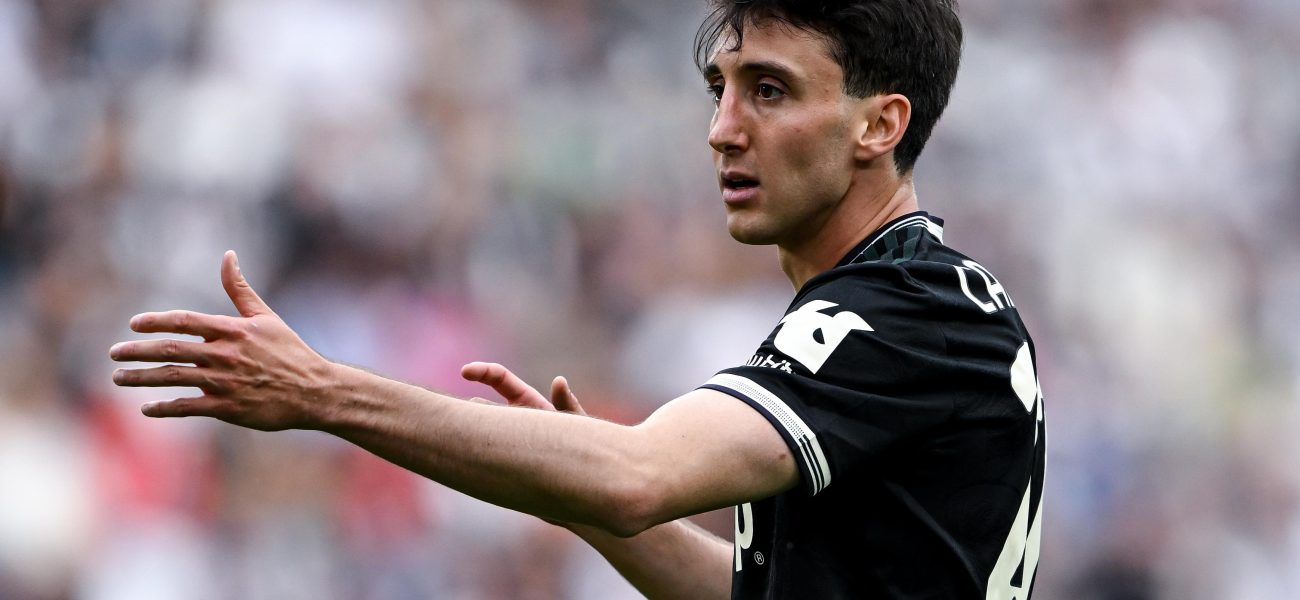
And so, figures like Andrea Cambiaso become more than just players; they’re highly paid assets in a sprawling, emotional economy. Their gestures, their every move, are packaged, streamed, — and monetized. “These aren’t merely football matches anymore; they’re essential arteries in the global entertainment bloodstream,” commented Giancarlo Abete, former President of the Italian Football Federation, in a recent interview. “We’re exporting culture, emotion, — and an entire economic ecosystem. The broadcast rights alone—they speak volumes, don’t they?”
He’s right. Because the spectacle stretches far beyond the Italian peninsula. Go eastward, — and you’ll find teeming cities where European football is consumed with an almost religious fervor. From Karachi to Kuala Lumpur, fans stay up into the wee hours, glued to screens, their allegiances often stronger than those to their local teams. They buy merchandise; they follow transfer rumors. The financial model counts on it. But this isn’t simply fandom; it’s a reflection of European cultural penetration—a soft power play by institutions with deep pockets and global reach. It’s a far cry from local village teams, that’s for sure.
📄 POLICY WIRE WHITEPAPER PUBLISHED: PAKISTAN'S NATIONAL SECURITY POLICY PRIORITIES
👉 READ BY CLICKING HEREIn Pakistan, for instance, a significant demographic—particularly younger, urbanized individuals—is deeply invested in these outcomes, often more so than local political skirmishes. Their access to high-quality streaming platforms or satellite television doesn’t just entertain; it links them into a Western cultural narrative, albeit one built on goals and glory. Luciano Spalletti and Paolo Vanoli, the managers for Juventus and Fiorentina respectively, might obsess over tactics, but they’re also directing a multi-million-euro performance for a literally billions-strong audience. They don’t just coach teams; they run brands.
Even David Massa, the referee, holds sway over more than just a local Derby. His decisions are replayed, debated, — and dissected across continents. It’s immense pressure, certainly. UEFA President Aleksander Čeferin, notoriously pragmatic, once quipped, “Our biggest export isn’t olive oil or luxury cars; it’s the weekly drama of our leagues. You don’t have to understand the language to feel the passion, and frankly, that’s worth more to our economies than some of our industrial sectors.” A recent study by financial services firm Deloitte estimated that Europe’s top five football leagues alone generated a combined revenue exceeding €17 billion in the 2022/23 season. That’s real money, not just hyperbole.
What This Means
The implications of this kind of fixture stretch far beyond Turin’s city limits. For starters, the sustained global appetite for European football highlights a fascinating paradox: while nations wrestle with issues of sovereignty and protectionism, cultural phenomena like Serie A transcend borders with seemingly effortless grace. It’s an exercise in commercial diplomacy, often more effective and certainly more palatable than state-sponsored initiatives. Economically, these matches are potent advertising vehicles, showcasing Italy as a vibrant, capable, and culturally rich nation. The investment into advanced broadcasting technology—paramount, DAZN, Amazon Prime all vying for slices of the pie—underscores just how precious this asset is. We’re talking infrastructure, jobs, technological advancement—all spun from 22 men chasing a ball. Politically, leaders in countries with massive football followings, like many in the Muslim world, often recognize the subtle influence, the shared experience, this universal language of sport creates. It’s a neutral meeting ground, a rare point of cultural consensus, even if it’s merely a fleeting, televised escape from daily realities.