


Octagon’s Golden Handcuffs: Aging Icons, Streaming Bucks, and the Future of Fight Spectacle
POLICY WIRE — INGLEWOOD, CALIFORNIA — In the sprawling, neon-soaked embrace of the Intuit Dome, something deeply familiar—and profoundly unusual—unfolded. It wasn’t just another fight night,...

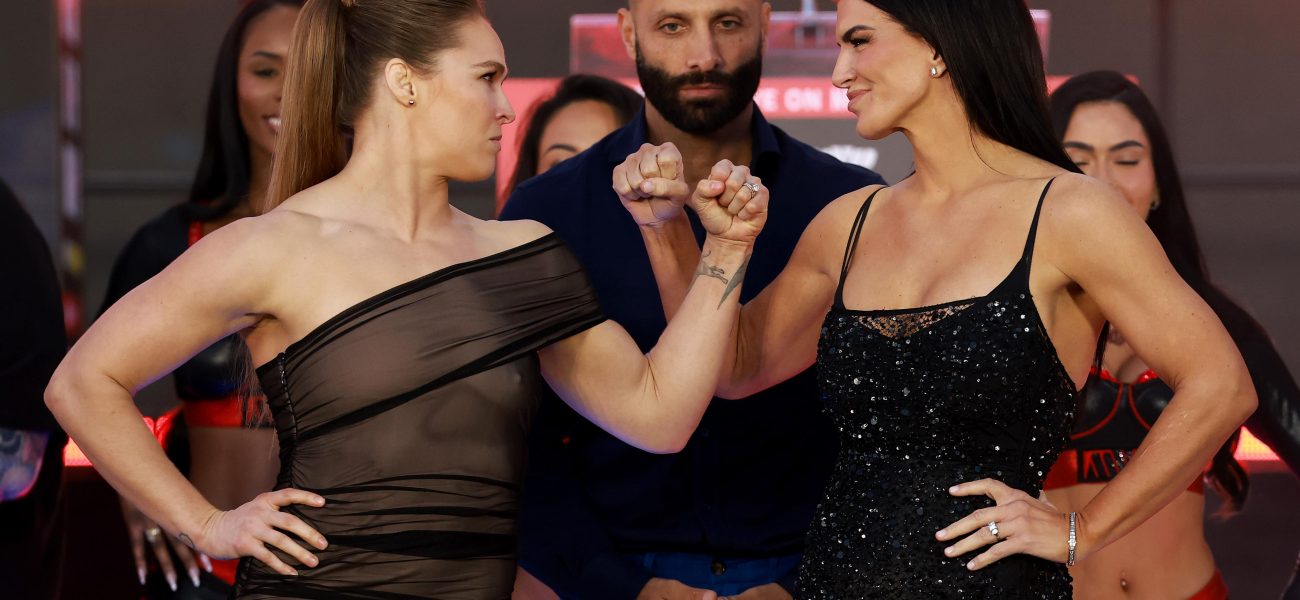
POLICY WIRE — INGLEWOOD, CALIFORNIA — In the sprawling, neon-soaked embrace of the Intuit Dome, something deeply familiar—and profoundly unusual—unfolded. It wasn’t just another fight night, not with Netflix throwing its hat into the combat sports ring, pitting a pair of aging legends, Ronda Rousey and Gina Carano, against each other after collective layoffs that felt less like sabbaticals and more like retirements. And let’s be real, a decade for one, seventeen years for the other? This wasn’t a comeback; it was an archaeological excavation, marketed as spectacle.
But that’s precisely the point, isn’t it? The air here wasn’t thick with competitive fervor as much as it was with raw, unapologetic commerce. This isn’t about championship gold. This is about subscription numbers, about carving out a new frontier in the streaming wars, leveraging a nostalgia play for two women who — once upon a time — utterly reshaped women’s mixed martial arts. Jake Paul, the influencer-turned-promoter behind MVP MMA, doesn’t mince words about his ambitions. “People want narratives, they want legends,” Paul reportedly told a small huddle of journalists earlier this week. “We’re not just selling fights; we’re selling history, wrapped in a pay-per-view package that, for the first time, isn’t really pay-per-view.”
And what a package. Below the headliner, the card boasted other recognizable names. UFC castaways Nate Diaz and Mike Perry were touted as a fan-favorite ‘people’s main event,’ delivering exactly the kind of gritty brawl their followers anticipated. Francis Ngannou, the formidable former UFC Heavyweight champion, also returned to the cage after a nineteen-month hiatus, squaring off against Philipe Lins. It’s a testament to the drawing power of recognizable — even if slightly rusty — names.
Because, for Netflix, this wasn’t merely about sport. It’s a content play, a high-stakes gamble in an increasingly fragmented entertainment landscape. The move signals a seismic shift, indicating that live sports, once the exclusive domain of cable and traditional broadcasters, are fair game for anyone with enough capital and a large subscriber base. One only needs to look at the escalating cost of sports rights globally, and the often brutal economics of combat sports promotion, to understand the financial incentives.
It’s an experiment, sure. But it’s an experiment watched keenly, from Inglewood to Islamabad. Indeed, the global reach of platforms like Netflix means events like this resonate far beyond their Californian setting. Consider the burgeoning market in South Asia and the broader Muslim world, where MMA’s raw energy and individualistic narratives find a dedicated audience. Fighters with names like Namo Fazil, who secured a second-round submission on the undercard, symbolize this burgeoning global interest, capturing the attention of millions in regions where access to top-tier sports often relies heavily on streaming options. Netflix, with over 270 million global paid memberships as of early 2024, understands this expansive demographic better than most traditional media outfits ever could.
📄 POLICY WIRE WHITEPAPER PUBLISHED: PAKISTAN'S NATIONAL SECURITY POLICY PRIORITIES
👉 READ BY CLICKING HEREYet, questions linger about the sustainability—and the ethics—of bringing legends out of such extended retirements. “It’s a delicate balance, resurrecting careers this deep into hiatus,” remarked Leslie Chen, a seasoned sports economist with Athena Analytics, in an off-the-record conversation with Policy Wire. “You’re chasing a guaranteed viewership bump, but at what potential cost to athlete welfare, or even the sport’s credibility? You gotta wonder what kind of health assessments these fighters are truly undergoing.” She’s got a point. When you haven’t seen action in 17 years, ring rust is less an inconvenience, more a structural collapse waiting to happen.
What This Means
This event, less a fight card and more a business prospectus, marks a distinct moment for both combat sports and the streaming industry. For traditional promotions, it’s a stark reminder that the ground is shifting under their feet. Netflix isn’t just buying content; it’s attempting to become the content provider, blurring the lines between media distributor and sports promoter. This creates new opportunities for fighters, certainly, but also consolidates power in the hands of tech giants who might not always prioritize athlete well-being over algorithm-driven viewership. It’s pure digital-age entertainment, often trading genuine athletic prowess for bankable name recognition.
Economically, it represents an aggressive pivot into a highly lucrative, if volatile, live sports market. Success here means a new revenue stream for Netflix, yes, but it also signals a blueprint for other streaming services. Could we see Amazon, Apple, or Disney+ hosting their own combat sports leagues, effectively creating a fragmented ecosystem where fight fans might need multiple subscriptions just to follow their chosen disciplines? It’s a plausible, if somewhat dystopian, future. The implications stretch globally too, impacting how combat sports develop in emerging markets, many of which bypass traditional media entirely, going straight to mobile streaming for their fix. This approach, centered on celebrity and accessible distribution, ensures wider viewership, but it doesn’t guarantee the long-term health or competitive integrity of the sport itself. It’s a glittering new revenue model—until it isn’t.