


Shadow Games: Gaza Commander’s Demise Ignites Familiar Cycle of Retribution
POLICY WIRE — Gaza City, Palestine — Another general fell, and just like that, the air cleared, if only for a beat, of the immediate, suffocating fear of the very last air raid. But then came the...

POLICY WIRE — Gaza City, Palestine — Another general fell, and just like that, the air cleared, if only for a beat, of the immediate, suffocating fear of the very last air raid. But then came the familiar, pre-recorded chorus. Celebratory whistles from one side, guttural vows of revenge from the other. It’s a macabre, well-rehearsed theater, this cycle in the Gaza Strip. The killing of a prominent Hamas military chief in an Israeli airstrike hasn’t reset the board; it’s just turned over a specific, high-value card, with predictable implications reverberating across already fraught regional lines.
It wasn’t about *if* a strike would come, or *who* exactly. It was always a matter of *when*. News filtered out of Gaza that evening—murmurs first, then confirmation—that a specific military mind within Hamas, often seen as an architect of their more sophisticated operations, had been eliminated. Call it precision, call it vengeance, whatever. For Israeli intelligence, it was a bullseye. For the Palestinian militant faction, it was another martyr on a rapidly growing ledger.
The Israeli Ministry of Defense wasted no time, issuing statements affirming the ‘successful neutralization’ of a significant threat. Defense Minister Yoav Gallant didn’t mince words. “This isn’t merely an operation; it’s a stark message,” Gallant declared in a carefully disseminated statement. “No leader of a terror organization is immune, and our resolve to ensure the security of our citizens is unyielding.” Because, you know, these things always come with a message. A clear one, often delivered with extreme prejudice from above.
But those messages rarely stick to their intended target. Dr. Basem Naim, head of Hamas’s international relations, quickly countered, his voice dripping with defiance across global airwaves. “The enemy believes killing a commander will break our spirit. They’re mistaken,” Naim asserted. “Our resistance is rooted in our people, and this aggression will only fuel the fires of vengeance and strengthen our determination.” And that’s the rub, isn’t it? One side cleanses, the other swears fealty to the spilled blood. It’s a playbook everybody’s memorized.
Beyond the immediate rhetoric, the streets of Gaza remained in a state of suspended dread, while public opinion in the wider Muslim world flared predictably. From the crowded alleyways of Cairo to the bustling markets of Lahore, the incident sparked widespread condemnation. Pakistan’s foreign ministry, often a vocal advocate for Palestinian rights, issued a boilerplate denouncement, urging restraint—a diplomatic nicety often drowned out by the screams of realpolitik. But these pronouncements serve their own purpose, placating domestic audiences, bolstering pan-Islamic solidarity, however symbolic it may often seem.
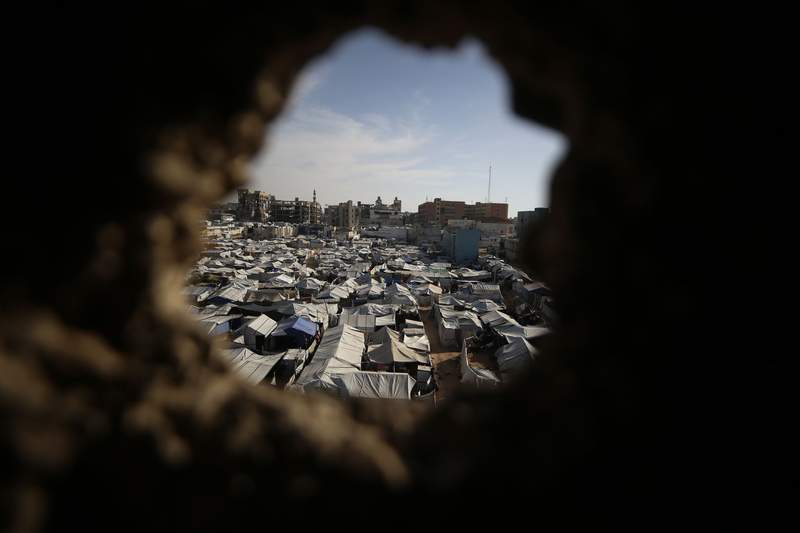
Because ultimately, these external cries of solidarity, however sincere, rarely alter the harsh realities on the ground. The people of Gaza, blockaded — and frequently devastated, bear the brunt. According to the UN Office for the Coordination of Humanitarian Affairs (OCHA), nearly 80% of Gaza’s population relies on humanitarian assistance, a dependency only exacerbated by periods of intense conflict like the one this strike inevitably threatens to unleash. It’s a shocking figure, if you really stop to think about it, laying bare the deep scars etched into the territory’s very existence.
📄 POLICY WIRE WHITEPAPER PUBLISHED: PAKISTAN'S NATIONAL SECURITY POLICY PRIORITIES
👉 READ BY CLICKING HEREThis particular military chief had been, by many accounts, deeply integrated into Hamas’s operational planning, allegedly overseeing not just tactical initiatives but also procurement, supply lines—the intricate, messy business of keeping a resistance movement afloat under relentless pressure. His disappearance from the chain of command, analysts concede, will sting. It’ll cause a temporary scramble, force internal restructuring, maybe even lead to a temporary pause in certain high-profile activities. But then, history’s a pretty good indicator here, isn’t it? Another will step up. The vacuum will be filled. The machine, bruised but unbroken, will crank back into motion. It always does.
What This Means
The elimination of a high-ranking Hamas official, while a tactical victory for Israel, rarely equates to a strategic win in the long term. Politically, it grants the current Israeli leadership a moment of nationalistic uplift, satisfying a security-minded electorate eager for demonstrable action against perceived threats. But it’s also a high-stakes gamble, inviting almost immediate retaliation that could easily spiral into a larger conflict, pushing an already fragile region closer to the brink. Internationally, reactions are divided: staunch allies like the U.S. will likely express qualified support for Israel’s right to self-defense, while the chorus of condemnation from Arab and Muslim-majority nations, as well as segments of the European Union, will intensify. These diplomatic maneuverings—like the nuanced position-taking often seen in Hormuz Strait Diplomacy—rarely offer solutions for Gaza’s trapped populace. Economically, any escalation means further destruction of infrastructure, deeper poverty, and an even more desperate reliance on external aid for Gaza, compounding the already immense humanitarian challenge.
For Hamas itself, this incident presents both a challenge — and an opportunity. A leadership loss is never easy, sure. But it also galvanizes support among its base, frames the group as perpetually under siege, and justifies calls for further armed resistance. It solidifies their narrative, reinforcing the idea that the struggle is existential, unrelenting. It’s grim, but it’s the pattern.