


Real Madrid’s Eternal Game: The ‘Madridista’ Exit and the Ghost of Mourinho
POLICY WIRE — MADRID, SPAIN — The echoes of applause at Valdebebas hardly had time to fade before Real Madrid coach Álvaro Arbeloa, a ‘Madridista’ through and through, found himself...

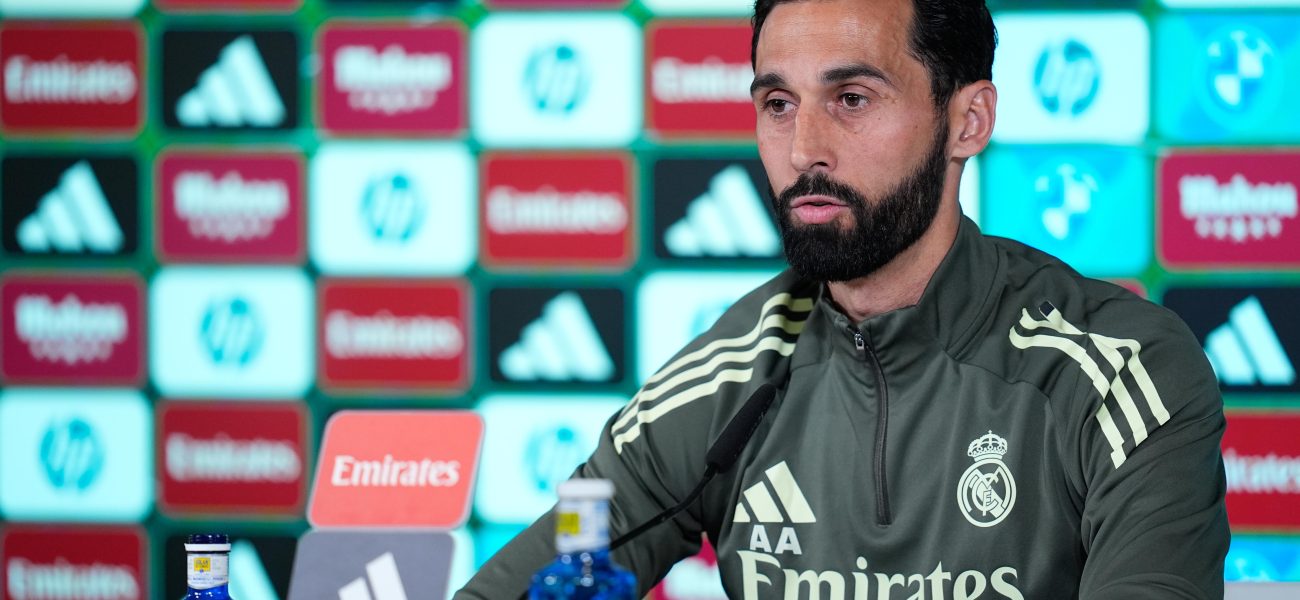
POLICY WIRE — MADRID, SPAIN — The echoes of applause at Valdebebas hardly had time to fade before Real Madrid coach Álvaro Arbeloa, a ‘Madridista’ through and through, found himself delivering a valedictory address. He was, by all accounts, performing his duties as a caretaker manager—an institution, not just a club, it seems—acknowledging his imminent replacement even as he prepared for a demanding clash against Sevilla. But beneath the stoic demeanor and the press conference pleasantries, the eternal churning of a footballing empire was plainly visible, proving once more that sentiment’s a fragile commodity in the unforgiving corridors of power at the Santiago Bernabéu.
It’s a peculiar thing, isn’t it? A coach, ostensibly in charge, openly musing on his successor, virtually hand-picking him. “For me, as a player and a Madridista, Mourinho is number one,” Arbeloa declared, a line practically lifted from the fan forum — not necessarily a strategic announcement from the touchline. “I thought that a month ago, — and I’ll continue to think it. He is and always will be ‘one of us.’ If he’s here next season, I’ll be very happy to see him here at home.” One couldn’t help but notice the emphasis on ‘Madridista’ and ‘home,’ subtle nods to an emotional bond that the club often touts, yet so frequently disregards when quarterly results or silverware are at stake. It’s an almost performative embrace of loyalty, designed to reassure fans, perhaps, that the heart of the club still beats, even if its head makes dispassionate calculations.
Because Real Madrid, let’s be honest, doesn’t traffic in sentiment for long. They trade in global aspiration, in brand dominance, in the relentless pursuit of titles. And that means cold, hard decisions. The manager, Arbeloa himself admits, knows this truth intimately. “The hardest part at this club is always when you don’t win,” he stated, his voice a dry recitation of universal sporting law. “That’s what hurts me the most, not having helped the players win titles: because of the high expectations we face, because of the hopes of so many people resting on our shoulders.”
His four months at the helm—a temporary appointment after a mid-season wobble, let’s not forget—were, in his own words, “a great experience and a learning curve.” But learn or not, the message is clear: Madrid moves on. And swiftly. It’s a revolving door for coaches, despite the legendary status often bestowed upon them before their inevitable exit. Real Madrid President Florentino Pérez, a man who knows a thing or two about empire building, reportedly offered a typically pragmatic perspective behind closed doors. “The club’s legacy is built on victory, not on prolonged good intentions,” a source close to the club’s leadership relayed, reflecting the Bernabéu’s unflinching philosophy that even cherished figures like Arbeloa are but cogs in a larger, ever-hungry machine.
Arbeloa also waved away the kerfuffle around Kylian Mbappé’s displeasure, maintaining his relationship with the French superstar was sound, (a good line to take when you’re on the way out, you know?) But it’s these kinds of headline-grabbing moments—the star striker’s angst, the coach’s candidness about his successor—that feed the insatiable appetite for drama surrounding Europe’s elite clubs. They transcend sports pages, bleeding into the wider discourse of celebrity, corporate governance, and political influence. For many across the Muslim world, from Cairo to Karachi, Real Madrid isn’t just a team; it’s a quasi-religious entity, a cultural touchstone. Millions follow its fortunes, consume its merchandise, and mirror its global rivalries, fueling a lucrative global market that contributes significantly to the club’s formidable economic power.
📄 POLICY WIRE WHITEPAPER PUBLISHED: PAKISTAN'S NATIONAL SECURITY POLICY PRIORITIES
👉 READ BY CLICKING HEREWhat This Means
This managed exit—or perhaps, self-managed—of Álvaro Arbeloa isn’t just a coaching change; it’s a stark reaffirmation of the power structure inherent in modern football’s financial giants. Real Madrid, with an enterprise value estimated by Forbes in 2023 at over $6 billion, operates less like a traditional sports team and more like a multinational corporation. Managerial churn isn’t a weakness; it’s often a calculated, if often chaotic, mechanism to sustain peak performance and, crucially, to maintain brand value.
And consider the implications for aspiring coaches, especially those with deep roots at the club. They rise through the ranks, they understand the ‘Madridista’ DNA, but they’re always — always — temporary custodians. The emotional investment demanded by the club is monumental, yet the return in job security is fleeting. It’s a harsh lesson in corporate loyalty (or the lack thereof), played out on a global stage. This cycle reinforces a broader truth about the modern professional landscape: no matter how deeply ingrained one’s identity is with an institution, the bottom line and perceived competitive advantage will always, eventually, prevail. That dynamic isn’t just peculiar to sports; it’s the capitalist engine humming along, demanding perpetual forward motion, irrespective of the individuals caught in its gears. They’ve made their decision, — and Arbeloa, being a good Madridista, simply confirmed it.