


Spanish Football Titans Wobble: Empires in Crisis, Not Just Clubs on the Brink
POLICY WIRE — Madrid, Spain — For those accustomed to the gilded narratives of Spanish football, the past weekend wasn’t just about disappointing results. No, it’s far more...

POLICY WIRE — Madrid, Spain — For those accustomed to the gilded narratives of Spanish football, the past weekend wasn’t just about disappointing results. No, it’s far more complex than that. What we’ve witnessed is a particularly nasty flare-up of boardroom battles and dressing room bickering that would make a Renaissance court jealous. It’s an unraveling of epic proportions at the very pinnacle of European sports, a spectacle laid bare across every front page, dissecting the precise moment when two sporting behemoths — Real Madrid and Barcelona — found themselves grappling with an acute case of imperial overstretch.
Down in the Chamartín district, where Real Madrid’s grand aspirations usually overshadow mundane realities, an internal fission is rocking the foundation. Their season concluded without any shiny silverware, prompting not a mere reassessment, but an all-out civil war within the squad. Marca, ever the Madridista herald, screamed about José Mourinho — the ‘Special One’ who often leaves clubs in a trail of glory and then, well, scorched earth — making an improbable comeback. According to their reporting, his return to the Bernabéu is a done deal, “unless there’s a radical and unexpected twist”, echoing a sentiment that only a strongman, a true iron fist, can tame this increasingly wild beast of a team. It’s a leadership change driven less by strategic vision — and more by desperate necessity.
But the real venom, it seems, boils over from human frailty, not just tactical missteps. The squad has fractured — not into mere cliques, mind you, but into “irreconcilable factions,” as Mundo Deportivo gravely reported. They splashed a visually arresting image: two key Madrid attackers split across their front page, a stark representation of the chasms carved by ego and ambition. “Blown-up dressing room” was their chosen phrase, — and honestly, you couldn’t find a better one. These aren’t just millionaires playing a game; it’s a very public psychological experiment on how immense pressure warps relationships.
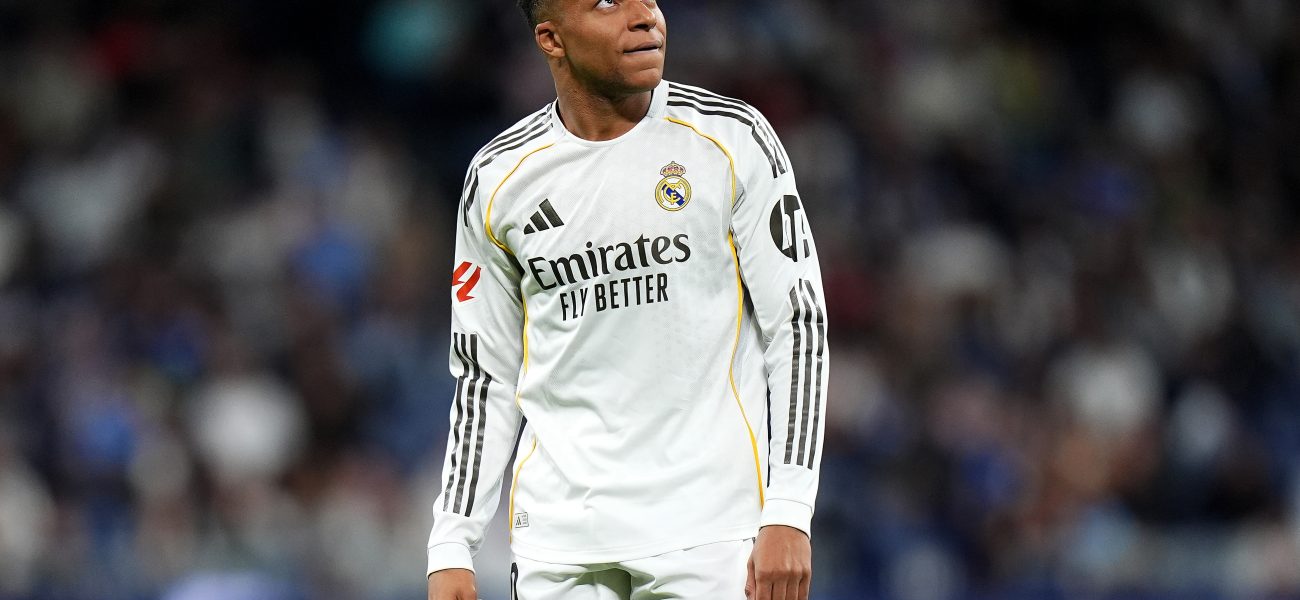
And then there’s the Mbappé saga. This young French phenom — global superstar, marketing dream — now stands as the poster child for Madrid’s present malaise. His discontent, after a trophyless year, isn’t just grumbling; it’s an international incident. AS detailed a tense, face-to-face sit-down between Mbappé — and club president Florentino Pérez. The meeting’s stated goal: to “put out the fire and assess his physical and emotional state.” An emotional state, you’ll note, presumably compromised by having to play for a mere titan of European football. L’Équipe, back in France, practically canonized his frustration, highlighting a public spat with manager Álvaro Arbeloa — Mbappé started on the bench against Oviedo, and he didn’t exactly keep quiet about it. It’s clear, money can’t buy team cohesion.
On the other side of the classic divide, in Barcelona, it’s not internal drama causing the most grief; it’s cold, hard cash. They’re eyeing Chelsea’s João Pedro, seeing him as a saviour for their attacking woes. Sporting director Deco (who probably isn’t getting much sleep lately) even trekked to London, taking advantage of the FA Cup final for a discreet summit. But here’s the rub, isn’t it? For every €1 they want to spend, they’ve first got to offload €1 in sales to meet La Liga’s rather stringent 1:1 financial regulation. It’s a never-ending cycle of buying low and selling high, except when you’re Barcelona, it often feels more like buying high and praying.
“Look, we don’t mess around with these kinds of situations,” Pérez, rarely one to mince words, was quoted by club insiders. “When a legacy like Real Madrid’s is on the line, sometimes you need to bring in someone who understands what it takes to win, no matter the internal noise. Mourinho has that particular skill set; he’s got the temperament to command respect when respect seems to have left the building.” A very thinly veiled threat to the ‘prima donnas,’ if you ask me.
📄 POLICY WIRE WHITEPAPER PUBLISHED: PAKISTAN'S NATIONAL SECURITY POLICY PRIORITIES
👉 READ BY CLICKING HEREMeanwhile, across the fence, Barcelona president Joan Laporta put on his most optimistic face, telling reporters last week, “Our approach is about sustainable growth, not chasing shadows. We’re confident in our ability to navigate the market creatively, even if it means difficult goodbyes. We simply won’t mortgage our future for short-term fixes, no matter how shiny the immediate prospect may seem.” A brave face, certainly, given Barcelona’s well-documented balance sheet acrobatics. As of last financial quarter, the club’s total debt, excluding player amortisation, stood north of €1.35 billion, according to official club statements — a staggering figure even for a global brand.
What This Means
The dramas unfolding in Madrid — and Barcelona aren’t just isolated sporting narratives. They’re microcosms of larger economic — and geopolitical currents. These mega-clubs, operating less like local teams and more like multinational corporations, grapple with the immense pressures of brand management, global investment, and, frankly, sovereign soft power. For Pakistan, and indeed much of the South Asian and Muslim world, where European football enjoys a fervent, almost religious following, the stakes are oddly personal. The allegiances to Real Madrid and Barcelona run deep, fueling massive broadcast revenues and merchandising sales — economic arteries that pump billions into these European ventures.
The struggles with internal discipline (Real Madrid) or stringent financial fair play (Barcelona) reflect the harsh realities faced by even the wealthiest organizations. This isn’t just about trophies; it’s about navigating global market shifts, maintaining an international fan base crucial for revenue, and managing assets (players) whose individual market value can dwarf national budgets in some developing nations. For clubs that often see massive investment from Gulf states, like those vying for top European assets, these crises highlight the financial tightropes even the elite must walk. It’s a perpetual chess game, — and everyone’s watching how these giants, once thought untouchable, might stumble next.