

Paradise and Perquisites: FBI Director’s Hawaiian ‘Snorkelgate’ Sparks Bureaucratic Tempest
POLICY WIRE — Washington, D.C. — The federal apparatus often hums along with the understated precision of a well-oiled machine, its internal workings obscured by layers of bureaucracy and discretion....

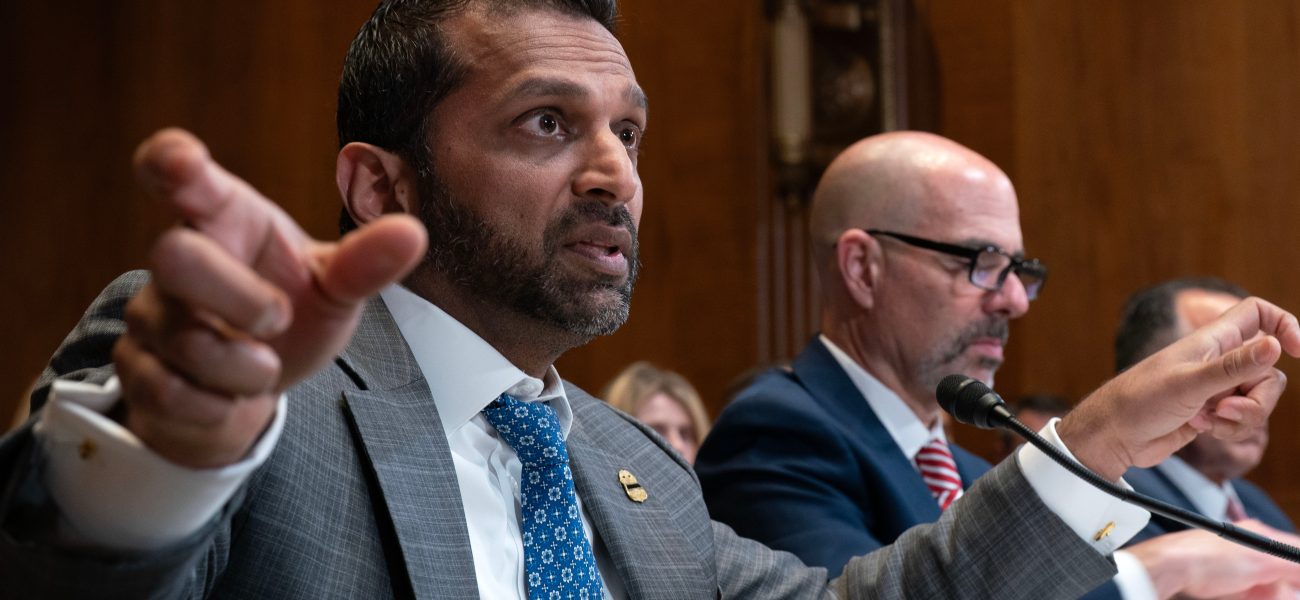
POLICY WIRE — Washington, D.C. — The federal apparatus often hums along with the understated precision of a well-oiled machine, its internal workings obscured by layers of bureaucracy and discretion. But occasionally, a stray detail surfaces, jarringly human, and lays bare the perhaps unintended theatricality of public service. That’s what’s happened with revelations concerning Kash Patel, identified in leaked emails as then-FBI Director, and his sun-drenched excursion to Hawaii. A “VIP snorkel” at a Pearl Harbor memorial, specifically. An unusual footnote in the official itinerary, to be sure.
It wasn’t a matter of national security (unless, perhaps, a rogue fish possessed classified intelligence). It was, instead, a scheduled opportunity for ‘recreation’ during what the official travel logs, obtained through a diligent Freedom of Information Act request, initially termed a “liaison visit.” The optics, as they often do, now carry a political undertow far deeper than any tranquil lagoon. This detail, slipped almost nonchalantly into a digital missive, didn’t just expose a moment of leisure; it threw a harsh spotlight on the perquisites — and potential pitfalls — of high office.
“It simply beggars belief that amidst the public’s widespread concern for governmental waste, a top federal law enforcement official finds leisure so readily facilitated on the taxpayer dime,” bristled Senator Eleanor Vance (D-OH), chair of the Senate Oversight Committee. “This isn’t public service; it’s a perk-laden vacation package masquerading as official business. We need accountability. We really do.” Her comments, sharp as coral, cut to the chase, reflecting a persistent bipartisan frustration with the perceived insulation of D.C.’s inner circle. Vance, known for her dogged pursuit of transparency, hasn’t shied away from grilling agency heads on everything from defense contracting to travel expenses.
But federal agencies, particularly those tasked with national security, rarely budge under mere public opinion. A spokesperson for the FBI, speaking on condition of anonymity, offered the usual bureaucratic counterpoint. “Director Patel’s itinerary was meticulously vetted through all appropriate channels. Any activities undertaken were part of a comprehensive program designed to foster inter-agency cooperation and maintain morale, consistent with established federal travel guidelines. Our people work incredibly hard.” The defense, boilerplate as it was, struggled to explain away the specific phrasing that now dances in public discourse like a bad pop song.
And therein lies the subtle tension: the grueling demands placed on federal agents—especially those at the apex of an organization like the FBI—versus the expectations of austere public service. Are these moments of repose legitimate components of ‘morale building’ or simply luxuries afforded to a select few? The question nags at a populace increasingly skeptical of government probity. According to a recent General Services Administration report, federal agencies collectively spent over $1.5 billion on employee travel in fiscal year 2023 alone. Just a staggering number, isn’t it?
📄 POLICY WIRE WHITEPAPER PUBLISHED: PAKISTAN'S NATIONAL SECURITY POLICY PRIORITIES
👉 READ BY CLICKING HEREThe controversy, while domestic in its immediate context, doesn’t operate in a vacuum. Nations far from American shores — in places like Pakistan, for instance, where perceptions of governance and accountability are a constant, heated topic — often view such episodes with a mixture of bemusement and critique. When U.S. officials tour, delivering messages of democracy and responsible stewardship, local media and publics there scrutinize not just policy, but behavior. And stories like ‘snorkelgate’ can, subtly but surely, chip away at the credibility built through decades of diplomatic engagement and aid, making future partnerships more complex, less trusted. It’s a tiny splash, sure, but the ripples can go surprisingly far.
What This Means
The furor surrounding former FBI Director Patel’s ‘VIP snorkel’ isn’t really about a snorkeling trip, though it’s been framed that way. This isn’t just some harmless recreation. Rather, it’s a symptom of a much larger, systemic disconnect: the increasing difficulty high-ranking federal officials face in justifying even minor perceived extravagances amidst calls for greater fiscal restraint and transparency. Politically, expect this to become fodder for oversight committees looking to score points on waste — and abuse. It hands a convenient cudgel to political opponents eager to paint federal agencies as out-of-touch, even elitist. For the Biden administration — and any future ones — it presents a bureaucratic headache, pushing them to tighten travel regulations and offer clearer definitions of ‘official duty’ vs. ‘personal amenity.’
Economically, while the individual cost of a ‘VIP snorkel’ is negligible in the grand scheme of the federal budget, the symbolic cost is considerable. Public trust is a depreciating asset, especially when images of lavish perks clash with household budget struggles. This erosion of confidence can lead to increased political gridlock on funding bills, stricter congressional scrutiny on agency budgets, and potentially, a harder sell for critical federal initiatives down the road. such episodes—no matter how minor—have a way of echoing across international relations. Countries that receive U.S. security assistance or collaborate on counter-terrorism initiatives, particularly in volatile regions like South Asia or the Middle East, often look to the U.S. government as a model for public ethics. When American officials appear to partake in questionable perquisites, it provides ammunition to critics of democratic governance and undermines efforts to foster transparent institutions abroad. It simply complicates things on the global stage. Think about how diligently some nations like Bangladesh scrutinize U.S. financial allocations. The slightest perceived misstep, amplified by social media and competing narratives, can swiftly morph into a national grievance.