


Ash and Irony: A Medical Flight’s Tragic End Rekindles the Wild
POLICY WIRE — Capitan, New Mexico — Life in the American West has always been a precarious affair, a dance with an untamed landscape where even the most cutting-edge human endeavors can be swiftly,...

POLICY WIRE — Capitan, New Mexico — Life in the American West has always been a precarious affair, a dance with an untamed landscape where even the most cutting-edge human endeavors can be swiftly, brutally undone. No truer demonstration of this harsh reality can be found than in the parched, rugged expanses of the Lincoln National Forest, where the quiet desperation of a medical emergency turned into a scene of unspeakable tragedy, only to then spawn another, unfolding disaster.
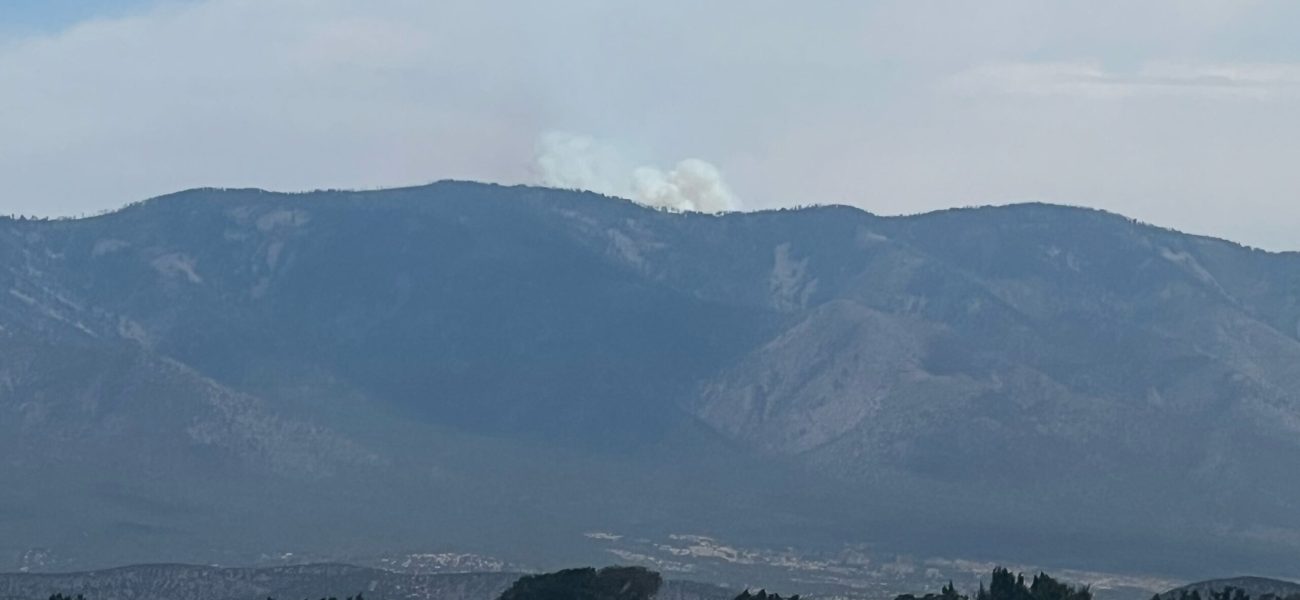
It wasn’t a spark from a wayward campfire or a forgotten cigarette butt that set the tinderbox ablaze. No, this fire—the nascent Seven Cabins Fire—appears to be an grim, direct consequence of a mid-air catastrophe. Because what started as a desperate dash for life, an air ambulance ferrying four souls toward critical care, ended instead in a smoking ruin. All four aboard, including two pilots, a flight nurse, — and a flight paramedic, perished. And then, as if to underscore nature’s brutal indifference, from the wreckage sprung flames, slowly devouring the same landscape the aircraft had tried so hard to conquer.
As of Thursday afternoon, the Seven Cabins Fire had ballooned from less than five acres to an estimated 35 acres. Officials discovered its infernal whisper at around 4:12 a.m., north of Capitan, deep within the Capitan Mountains Wilderness. It’s burning at zero percent containment. Firefighters are wrestling with stubborn blazes in “mostly large down dead logs”—the kind of fuel that holds heat and makes every acre a battle. It’s a familiar, frustrating fight for anyone acquainted with the arid scrub — and dense timber of the region.
The wreckage site, a somber monument to human frailty, now sits as the epicenter of this growing wildland incident. The irony is gut-wrenching, isn’t it? A mission to preserve life becoming, quite literally, the spark for destructive forces. “It’s a tough situation, really gets under your skin,” observed State Senator Michael Sanchez, whose district isn’t too far removed from such incidents. “We rely so much on these critical services in our remote communities, but the dangers are always lurking, aren’t they? Every medical flight feels like a prayer out here.” His sentiment rings true for anyone who understands the sprawling, often under-resourced logistics of critical care in sparsely populated regions.
For some, this tragic entanglement of airborne tragedy and ground-level conflagration speaks to broader vulnerabilities, a poignant mirror reflecting global challenges. In regions like Pakistan’s Balochistan or the mountainous areas of Khyber Pakhtunkhwa, for instance, reliance on limited, often aging, air ambulances for remote emergencies is a matter of life and death, fraught with similar perils and logistic hurdles. One can only imagine the local outcry, the immediate governmental response to a fire stemming directly from such a public-facing disaster, and the complex geopolitical undercurrents that often complicate disaster relief there.
📄 POLICY WIRE WHITEPAPER PUBLISHED: PAKISTAN'S NATIONAL SECURITY POLICY PRIORITIES
👉 READ BY CLICKING HEREBack in New Mexico, air assets are scrambling. Four single-engine air tankers, a Type 3 helicopter, Hot Shot crews, and two Type Six engines—they’re all battling the elements. The immediate forecast is doing them no favors either: 65 degrees, 24% humidity, — and west winds gusting up to 32 mph. A red flag warning hangs heavy over the area, a declaration of peril that almost feels redundant given the circumstances. It’s a brutal reality check, reminding us how quickly a contained tragedy can bloom into a broader ecological threat. “This particular landscape, the Peppin Fire scar from 2024, it’s primed,” a stoic Deputy Chief Sarah Miller of the Lincoln National Forest Fire Management team remarked, sweat surely stinging her eyes. “We’re talking about an area that’s seen fire before, meaning more dry, damaged fuels. It’s a beast to tame. You lose a plane, you fight a fire – it feels like two distinct battles tied with a grim ribbon.” Indeed, according to the National Interagency Fire Center, the United States averages over 50,000 wildfires annually, incinerating roughly 7 million acres, showcasing the incessant battle land managers face.
What This Means
The intertwined nature of the medical plane crash and the Seven Cabins Fire isn’t just a grim coincidence; it’s a sobering spotlight on policy gaps and resource allocations in rural America. Politically, the incident will almost certainly spur renewed debate over the regulations and oversight of air ambulance services, particularly regarding flight safety in challenging terrain and weather conditions. Local and state lawmakers will likely face pressure to invest more in remote emergency response infrastructure, perhaps exploring enhanced ground access or specialized regional aviation hubs. Economically, the cost of fighting this fire—a figure that will undoubtedly soar into the hundreds of thousands, if not millions, before it’s out—is a direct economic burden on federal and state budgets, resources diverted from other critical community needs. But more subtly, the continuous cycle of wildfires in New Mexico impacts tourism, ranching, and other localized economies, further eroding resilience. For these rural areas, the margin for error, whether in emergency services or fire prevention, remains stubbornly thin—a situation that doesn’t just mirror, but is part of, a larger national discourse on how best to protect and serve communities far removed from urban centers.