

Queens’ Quandary: Soto Scare, $343 Million Payroll, and the Spectre of an Early Fire Sale
POLICY WIRE — New York, United States — It’s a familiar refrain, isn’t it? The spring bloom wilts, expectations curdle, and the metropolitan faithful find themselves once again grappling with...

POLICY WIRE — New York, United States — It’s a familiar refrain, isn’t it? The spring bloom wilts, expectations curdle, and the metropolitan faithful find themselves once again grappling with that most New York of baseball conditions: abject, grinding disappointment. Before the calendar’s turned its pages much past mid-May, the air around Citi Field already carries the distinct scent of autumn, or, more accurately, the whiff of scorched earth where grand designs once stood.
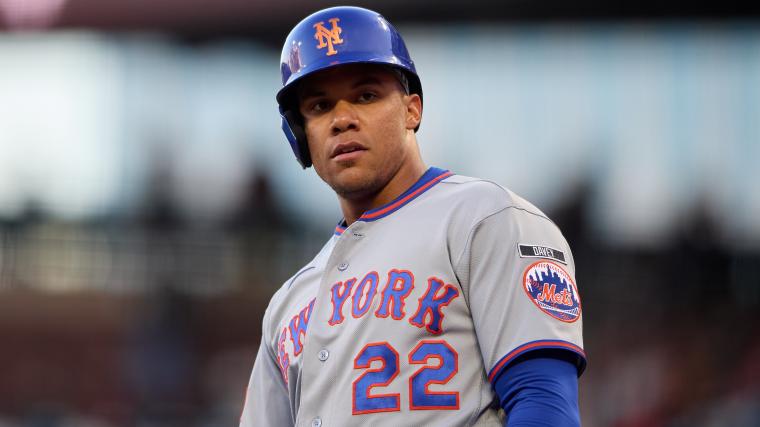
Because, really, this isn’t just about another bruised ankle, not anymore. While the official line from the Mets on slugger Juan Soto — who took an unlucky foul ball to his own ankle Wednesday against Detroit — remains ‘day-to-day,’ the incident feels less like a bump in the road and more like the final, jarring pothole that sends the whole expensive endeavor veering off course. For a team that’s currently limping along at a dismal 17-25 record, and which endured a soul-crushing 12-game skid earlier in the season (that conveniently started just after Soto’s last brief absence), his latest injury threat isn’t a misfortune; it’s an omen.
It’s not pretty. This season, they’ve been less a contender — and more a recurring segment on blooper reels. And yet, this isn’t some shoestring operation. Not even close. The Mets reportedly boasted the highest payroll in Major League Baseball for the 2023 season, clocking in at a staggering $343 million, according to Forbes. That’s a king’s ransom, tossed onto a table that’s somehow still collapsing.
“Look, we’re navigating a tough stretch. Juan’s a warrior; we’ll assess him daily,” stated Billy Eppler, the Mets’ general manager, in an uncharacteristically restrained tone during a press availability this week. “But the priority remains building for sustainable success. That often means making hard choices when the trajectory shifts.” Eppler’s carefully chosen words did little to soothe the anxieties brewing among the fanbase, a sentiment amplified by what’s seen as a consistent underperformance of a hugely expensive roster.
But the problem is more than just immediate wins — and losses; it’s a cold, hard business decision. The idea of an early “fire sale”—shipping off valuable assets for future prospects—is no longer a whispered rumour, but a blaring siren. The names being bandied about aren’t minor league hopefuls. We’re talking established talent: pitchers Freddy Peralta — and Clay Holmes, and infield sensation Bo Bichette. They’re all potential trade chips, shiny distractions from the deepening mire.
📄 POLICY WIRE WHITEPAPER PUBLISHED: PAKISTAN'S NATIONAL SECURITY POLICY PRIORITIES
👉 READ BY CLICKING HERETony Clark, Executive Director of the MLB Players Association, perhaps sensing the wider economic ramifications, observed, “These injuries always sting, especially for fans, I get it. But it’s also a stark reminder of the massive financial investments teams make — and the player’s intrinsic market value. That’s a global commodity these days, tied to broadcast rights and sponsorship deals that stretch far beyond Queens, impacting perceptions of the game’s global strength.” His comments point to an oft-overlooked facet: the modern sporting behemoth, no matter its geographic base, operates on a sprawling international economic framework. Just look at the aggressive push into new markets by major sports leagues; these players are brand ambassadors, their health and performance directly affecting brand value across continents, from London to Lahore.
Because in today’s interconnected sports landscape, even a struggling franchise in New York has implications for nascent baseball interest in, say, Pakistan, where new media streaming services might be looking for captivating sports content to build local subscriber bases. Or perhaps for investors in Dubai considering whether American sports assets offer the kind of reliable returns they demand. A dysfunctional club, despite its superstar, isn’t an attractive advertisement, regardless of the sport’s core appeal. The notion of a ‘for sale’ sign appearing over a star player’s head, while common in European football, remains a harsher indictment in American sports, especially for a franchise expected to contend. It speaks to a profound economic miscalculation, a high-stakes bet gone horribly wrong.
What This Means
The murmurs of an early fire sale are more than just typical mid-season angst; they represent a fundamental strategic pivot. For the Mets’ front office, it would be an acknowledgment that their aggressive investment strategy, while bold, has—at least for now—failed spectacularly. The financial outlay hasn’t translated into on-field success, leading to dwindling fan morale and an inevitable re-evaluation of personnel and long-term vision. Economically, this translates to divesting expensive, underperforming assets in exchange for prospects with lower salary demands and greater long-term potential. But it also creates a market instability, signalling to other teams that certain high-value players are available, potentially driving down their trade value in the long run if desperation becomes apparent. And for the broader ecosystem of Major League Baseball, it underscores the capricious nature of athlete performance, and how even billion-dollar enterprises are held captive by the fragile health of a few individuals. Politically (within the realm of sports governance, that’s), it forces ownership to confront difficult optics: admit defeat early, or prolong the misery? The implications extend to sponsorship deals, future ticket sales, and even broadcast negotiations—all hinging on whether the Mets become a cautionary tale or manage to gracefully rebuild.