


Gridiron Grotesque: When NFL Teams Turn Personal Scandals Into Viral Gold
POLICY WIRE — New York, United States — For seasoned observers, the annual unveiling of the NFL schedule used to be a mundane press conference, a dry recitation of dates and matchups that only truly...

POLICY WIRE — New York, United States — For seasoned observers, the annual unveiling of the NFL schedule used to be a mundane press conference, a dry recitation of dates and matchups that only truly mattered to broadcasters and obsessive season-ticket holders. Today, it’s a full-blown digital carnival, a meticulously choreographed (or perhaps, strategically unchoreographed) meme war where professional sports franchises vie for internet supremacy, weaponizing humor, self-deprecation, and — this year, perhaps — outright schadenfreude. What began as innocent ribbing has metastasized into something sharper, reflecting a society ever hungrier for raw, unvarnished content. This spectacle of commercialized wit isn’t just about football anymore; it’s a fascinating, if sometimes grim, bellwether for the culture itself.
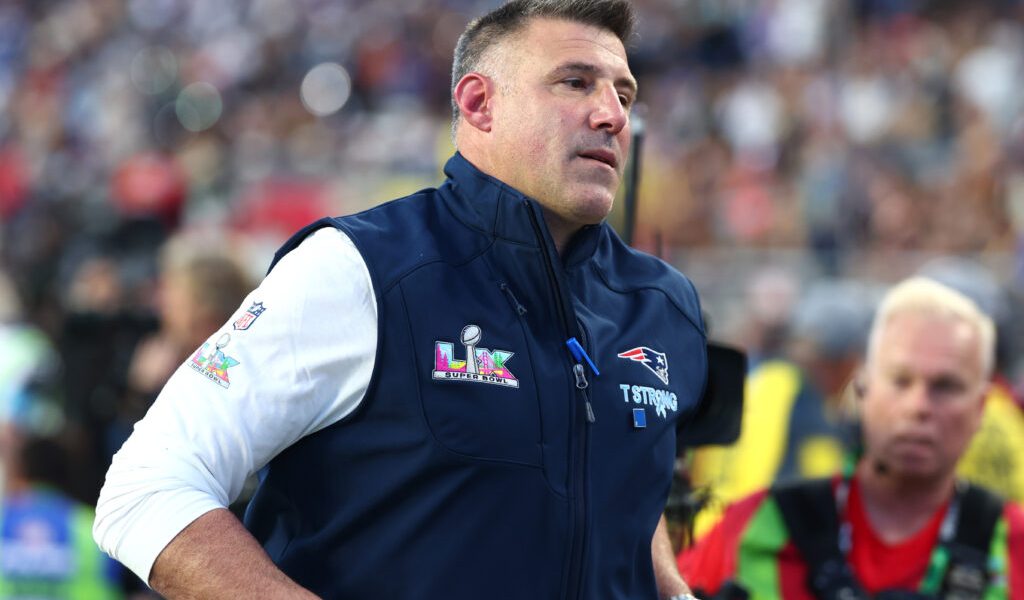
It’s against this backdrop that we confront the unsettling implications for New England Patriots Head Coach Mike Vrabel and former NFL Network reporter Dianna Russini. Their entanglement, a high-profile personal drama involving marital infidelity, has now been laid bare on the public altar, becoming fair game for rival teams’ social media departments. The league, ever the pragmatist when brand image isn’t directly jeopardized, isn’t stepping in. They’re letting the dogs off the leash, signaling a distinct shift in what constitutes acceptable fodder in the hyper-competitive world of sports entertainment. The boundaries, it seems, aren’t just blurring; they’re getting obliterated.
Michael McCarthy, reporting for Front Office Sports, laid out the league’s hands-off position. “The NFL isn’t pre-screening these videos,” he said, matter-of-factly. “The young guns, those digital provocateurs running social media for all 32 teams? They’ve got carte blanche. If they want to dunk on Vrabel and the Patriots, that’s their prerogative.” This isn’t a surprising stance from a league known for its ruthlessly commercial instincts. But it sure puts a target squarely on certain backs.
And because the NFL operates like a behemoth, driven by market forces rather than puritanical rectitude — save for, say, a strict policy on marijuana or the commissioner’s personal pet peeves — they’re comfortable with the controversy. They understand it generates eyeballs. A recent analysis by Nielsen Sports showed that the average NFL social media post generates upwards of 500,000 unique impressions, underscoring the massive digital reach at stake. Teams aren’t just selling tickets; they’re selling engagement, clicks, — and a brand narrative. What’s more engaging than a juicy, thinly veiled personal attack?
“We trust our teams to manage their own digital presence in a way that respects the competitive spirit of the game,” offered league spokesperson Emily Thorne, in an unusually blunt statement for an official. “We focus on collective bargaining — and ensuring a level playing field on the gridiron. Off the field, the modern media landscape often dictates its own terms.” Such pronouncements leave little room for ambiguity, but they also expose the stark difference between what might be tolerated in a professional context in the West, particularly in American sports, versus what might cause a complete uproar in, for instance, certain parts of South Asia or the broader Muslim world.
Think about it. While in the U.S., a high-profile personal scandal becomes clickbait gold, a matter of public consumption, and even an opportunity for rival brands to exploit — (and hey, who doesn’t love a good feud?) — in many parts of Pakistan, for example, such matters, particularly those touching upon marital fidelity, are regarded with far more sanctity and privacy. Public shaming, especially if perceived as mocking, can invite severe societal condemnation — and cultural offense. The very idea of using a family’s distress for team marketing memes? Unthinkable in many circles there. It just highlights the jarring cultural dissonance between what’s considered harmless banter in one global entertainment market versus an egregious breach of respect in another.
📄 POLICY WIRE WHITEPAPER PUBLISHED: PAKISTAN'S NATIONAL SECURITY POLICY PRIORITIES
👉 READ BY CLICKING HEREBut the Patriots aren’t likely to take this lying down. While the league might remain aloof, don’t imagine for a moment that New England’s brass, or even its famously prickly fanbase, will silently endure the incoming digital slings and arrows. A source close to the situation, speaking on condition of anonymity to avoid pre-empting the fireworks, suggested that teams who poke fun will probably get a terse “call from Foxborough.” It’s going to be an internecine feud waged across 280-character limits and carefully edited video clips, a gridiron paradox of its own. It’s high stakes, but nobody’s talking about salary caps here.
What This Means
This episode, rather than merely being a bit of offseason frivolity, lays bare a couple of significant realities. Firstly, the NFL, as a powerful cultural and commercial entity, is increasingly willing to cede control to the zeitgeist, sacrificing a veneer of propriety for maximum engagement. They understand that in the current media ecosystem, controversy sells, often more effectively than carefully curated narratives. This has clear implications for coaches and players alike; the protective shield around their private lives, once somewhat robust, has now significantly eroded. Their personal conduct can — and will — be co-opted for commercial gain by entities outside their direct control.
Secondly, it underscores the hyper-commodification of human drama in the digital age. A personal failing, once whispered about, now becomes a globally shared spectacle, instantly meme-ified — and repurposed. For Policy Wire, it serves as another uncomfortable data point on the growing tension between personal privacy and the insatiable demands of the always-on content machine. The ethical tightrope sports leagues walk is becoming increasingly frayed. And if public shaming is fair game for content creators, where exactly does the line get drawn? Because as the competition for digital oxygen intensifies, we haven’t seen the bottom yet. You just haven’t.