


The Alehouse Alibi: How Corporate Culture Became a Test for Personal Compatibility
POLICY WIRE — San Francisco, USA — Forget your meticulously crafted résumé, that portfolio bulging with proven successes, or the list of advanced degrees painstakingly acquired. Turns out, some of...

POLICY WIRE — San Francisco, USA — Forget your meticulously crafted résumé, that portfolio bulging with proven successes, or the list of advanced degrees painstakingly acquired. Turns out, some of the most influential gates to professional opportunity might hinge on something far more… ephemeral. An off-the-cuff chat, a shared laugh, perhaps even the hypothetical offer of a cold brew after a long day. Welcome to the invisible filter of corporate ‘culture fit,’ a realm where a handshake can mean more than a hundred qualifications, and the unspoken becomes policy.
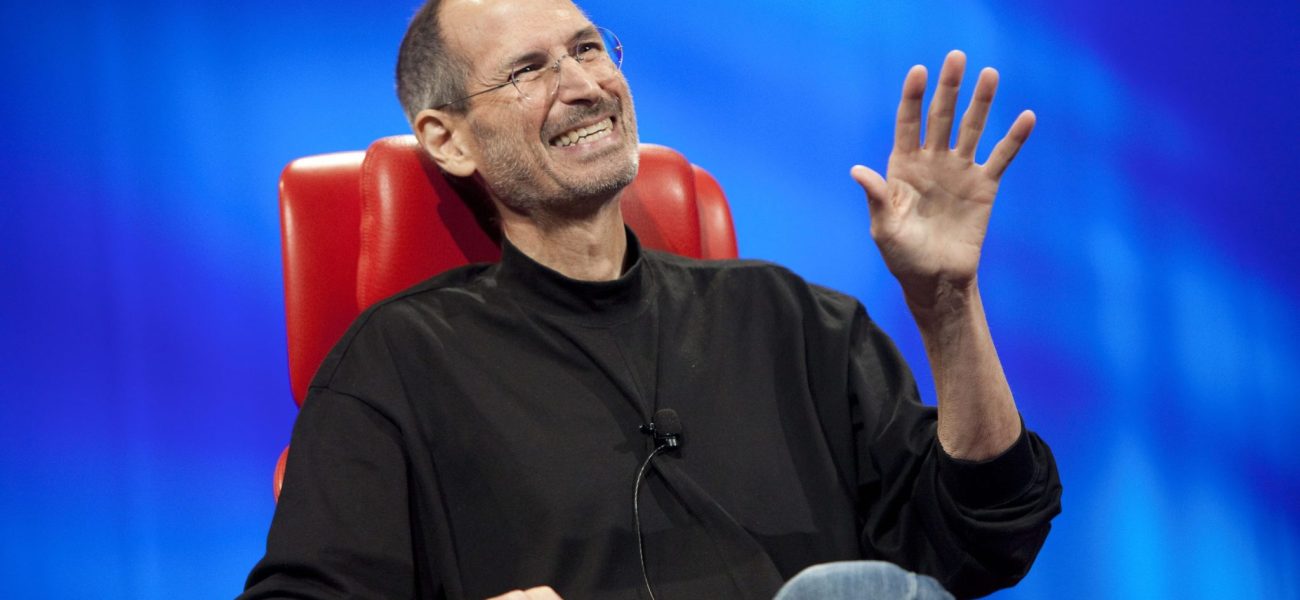
It’s a notion perhaps most famously — or infamously — personified by the late Apple co-founder Steve Jobs. The tale’s become a Silicon Valley legend: Jobs reportedly had a ‘beer test.’ If, after interviewing a candidate, he didn’t feel like having a drink with them, they simply didn’t make the cut. Forget their technical chops; if the vibe was off, the job was too. This wasn’t a formal metric. This wasn’t some complex psychological profiling system developed by HR. No, it was a gut feeling, elevated to corporate doctrine. And honestly? It still runs rampant, just under less colorful guises.
This isn’t about mere cordiality; it’s about the deep-seated, sometimes unconscious, human biases that infect professional environments, often masquerading as a search for ‘team players.’ A 2023 study by LinkedIn, probing hiring trends across North America, found a rather startling data point: 76% of hiring managers admit that ‘culture fit’ is a top priority, frequently overshadowing demonstrated technical aptitude. Yet, here’s the kicker, only 32% of those same companies reported having any formalized, objective metrics for assessing this nebulous ‘fit.’ Think about that.
“We’re building families, not just workforces,” declared Eleanor Vance, CEO of Synapse Labs, a rising artificial intelligence firm, in a recent Policy Wire exclusive. “When you’re pushing the boundaries, you need people who connect on a deeper level, who understand the rhythm of the room. You can teach a person to code, but you can’t teach them how to resonate.” But who defines that ‘rhythm’? And at what cost?
Because, well, ‘resonance’ can often just mean ‘like me.’ And this subtle exclusion casts a long, profitability-draining shadow. And it’s a concept that clashes spectacularly with evolving global corporate landscapes. In places like Pakistan, for instance, or across much of the Muslim world, where social customs around alcohol consumption vary wildly, such a casual, Westernized ‘beer test’ premise is more than just awkward – it’s often outright culturally inappropriate. How many brilliant engineers or astute business minds are screened out before they even have a chance, simply because their societal norms don’t align with an interviewer’s idea of a good post-work hangout?
📄 POLICY WIRE WHITEPAPER PUBLISHED: PAKISTAN'S NATIONAL SECURITY POLICY PRIORITIES
👉 READ BY CLICKING HEREIt’s a blind spot. A colossal one. It’s a systemic problem in the professional sphere, perpetuating echo chambers — and stifling innovation. And these informal gates don’t just exclude diverse backgrounds; they also filter out neurodivergent candidates, those with differing social cues, or even individuals who simply prefer a quiet night at home over an office pub crawl. It creates a uniformity that might feel comfortable but ultimately cripples potential. For more on how corporate narratives shape our understanding of fairness, consider The ‘Open Thread’ Illusion: As Policy Wire Courts Clicks, Who Guards the Digital Commons?.
“This fixation on personal chemistry is ethically suspect, if not downright lazy hiring,” contended Dr. Aris Khan, a distinguished labor policy analyst at Georgetown University, during a panel discussion. “It invites conscious and unconscious bias, discriminates against qualified individuals who might simply have different social habits, and ultimately deprives companies of the very diversity of thought that drives genuine progress. A beer test? It’s not about finding talent; it’s about replicating yourself.” Indeed, replicating yourself is easier than finding the best fit.
What This Means
The prevalence of highly subjective, ‘culture fit’ hiring strategies, exemplified by the infamous ‘beer test,’ signals a deeper, unsettling trend in corporate governance and labor economics. Economically, this approach introduces inefficiency; companies risk foregoing top-tier talent in favor of comfortable personalities, potentially stunting innovation and market competitiveness. The direct and indirect costs of a bad hire, often cited in the tens of thousands of dollars, compound when the hiring process is predicated on vague personal chemistry rather than objective competency and performance indicators. We’re talking real money. Politically, this trend contributes to issues of equity — and inclusion. If a hiring manager’s personal preferences—however unconsciously—dictate employment opportunities, it reinforces existing social stratification and limits upward mobility for individuals from non-dominant cultural or social groups. It’s a subtle form of gatekeeping, where power is exercised not through direct discrimination, but through the seemingly innocuous filter of ‘likability.’ This creates a system that, while appearing meritocratic, is riddled with arbitrary human biases, further complicating efforts towards genuinely diverse workforces. Ultimately, it exposes the often-hollow rhetoric of diversity, equity, and inclusion when contrasted with the unspoken, often comfortable, realities of who gets to join the club.