

When the Rains Go Rogue: Our Planet’s Erratic Skies Rewriting the Climate Rulebook
POLICY WIRE — Washington, D.C. — For centuries, we thought we understood rain. Farmers planned by it, armies marched through it, — and poets romanticized its predictable patter. But that neat...

POLICY WIRE — Washington, D.C. — For centuries, we thought we understood rain. Farmers planned by it, armies marched through it, — and poets romanticized its predictable patter. But that neat narrative? It’s unraveling fast. Turns out, the sky above us is putting on a rather erratic, almost petulant performance, and science, rather belatedly, is noticing something genuinely unnerving happening to global precipitation patterns.
It isn’t just about more or less rain; it’s the *kind* of rain. Researchers aren’t just tallying up total yearly downfalls anymore; they’re parsing out something more subtle and, frankly, far more troubling. The consensus emerging from the latest geophysical modeling suggests a global shift. The rain is increasingly concentrated into shorter, more intense bursts. Think deluges instead of drizzles, — and extended dry spells where consistent moisture used to be the norm. This isn’t your grandma’s weather system, no, sir.
And because it isn’t, the implications are vast. We’re talking agricultural ruin, infrastructural strain, and an intensifying humanitarian challenge, especially in parts of the world already teetering on the edge. Dr. Lena Jansen, a senior climatologist with the IPCC working group, didn’t mince words last week. “We’re not merely witnessing an increase in precipitation; we’re experiencing a fundamental rewiring of atmospheric dynamics. This isn’t just unusual weather; it’s a crisis unfolding, a global re-calibration of nature’s most fundamental cycles that we aren’t equipped for.”
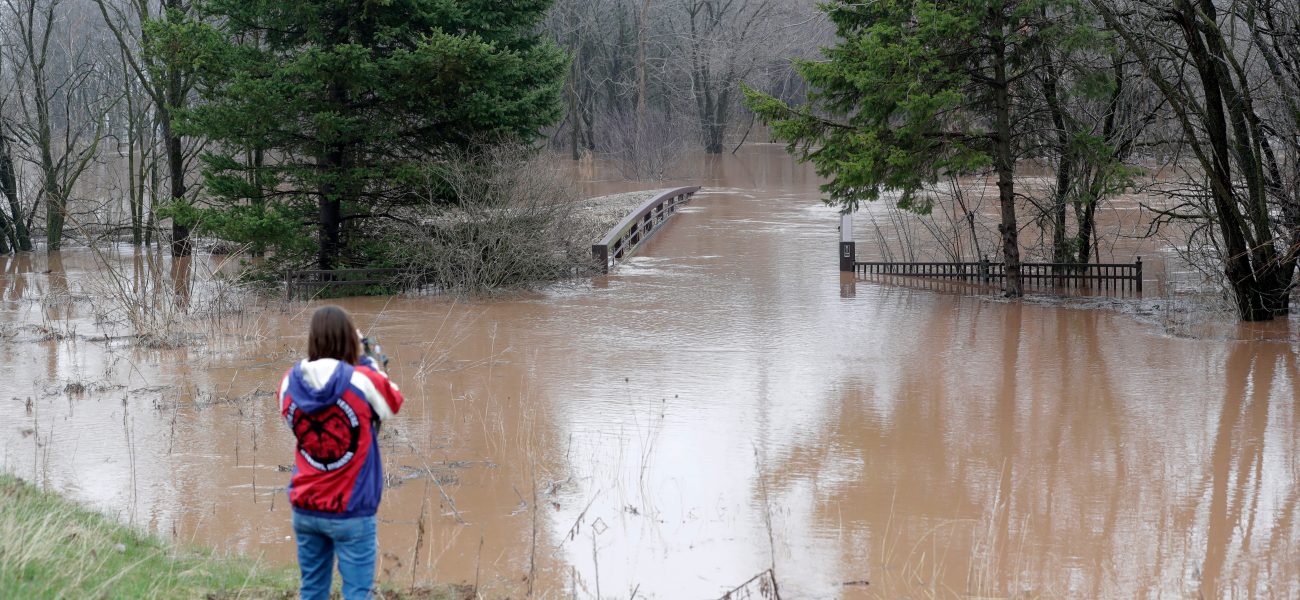
This re-calibration means trouble. Forget slow, steady saturation for crops. Now, you get fields parched one month, then swamped under flash floods the next—leaving behind not just drowned seeds but eroded topsoil and a very uncertain future for local food security. And it isn’t like we’re prepared for that kind of volatility, not in any serious, global way. We build infrastructure for a stable climate, not one that keeps us guessing like a carnival barker with a crooked shell game.
Consider the recent monsoons in Pakistan. What once reliably watered its vast agricultural lands—feeding millions—has morphed into a series of catastrophic events. Take the 2022 floods: over 33 million people were impacted, with economic losses estimated at more than $30 billion. That’s according to a World Bank assessment, — and it’s just one example. You can’t just brush that off as a ‘bad year.’ But political leaders often try, don’t they?
📄 POLICY WIRE WHITEPAPER PUBLISHED: PAKISTAN'S NATIONAL SECURITY POLICY PRIORITIES
👉 READ BY CLICKING HERE“My constituents, they once depended on predictable seasons,” observed Malik Faisal, Sindh’s provincial Minister for Agriculture and Water Resources. His voice was weary, reflecting years of battling unpredictable extremes. “Now, it’s either too much, all at once, destroying crops — and homes, or too little for too long, leaving our wells dry. We spend all our energy reacting, not building for a stable future.” It’s a policy nightmare, a perpetual game of catch-up played with millions of livelihoods hanging in the balance. But for how much longer?
What This Means
The erratic nature of global rainfall patterns isn’t just an inconvenience for meteorologists; it’s a direct threat to geopolitical stability and economic well-being. Governments across the developing world, particularly in South Asia and the Muslim world—regions heavily reliant on rain-fed agriculture and often vulnerable to climate shocks—face insurmountable fiscal burdens. Redirecting funds from education or healthcare to build flood defenses — and drought relief systems? That’s a brutal choice. It leads to internal displacement, rural-urban migration, and increased competition for dwindling resources, all of which could destabilize regimes and ignite localized conflicts. Political leaders, already grappling with a skeptical populace and entrenched bureaucratic inertia, are being handed an unsolvable equation. Policy inertia, then, isn’t just an oversight; it’s a ticking time bomb. Economically, businesses from insurance to logistics will see their risk models shredded, forcing price hikes and exacerbating inflation. Investment capital might shy away from climate-vulnerable regions, deepening inequalities. This isn’t a problem to solve; it’s a landscape to navigate, forever altered by a capricious sky.