


Bridal Tightrope: As ‘Dream Bodies’ Dictate Nuptial Schedules, Shops Face Sizing Scrutiny
POLICY WIRE — Albuquerque, N.M. — It used to be simple: pick a dress, get measured, alter. But the modern wedding ritual, steeped in aspiration, has added a fresh layer of complexity for everyone...

POLICY WIRE — Albuquerque, N.M. — It used to be simple: pick a dress, get measured, alter. But the modern wedding ritual, steeped in aspiration, has added a fresh layer of complexity for everyone involved, from anxious brides to the boutique owners trying to keep their businesses afloat. We’re talking about the lengthening interval between a proposal and a purchase — brides are, increasingly, gambling on significant body transformations before they commit to a gown.
It’s not just a fashion footnote; it’s a telling shift in consumer behavior and a stark reflection of persistent societal pressures. Wedding stress? That’s always been a thing. Now, couple it with the relentless pursuit of a ‘perfect’ physique, and you’ve got a recipe for logistical tangles, financial risks, and a fair bit of emotional distress. And frankly, the bridal industry—a multi-billion dollar enterprise globally—is feeling the squeeze of these last-minute dramas.
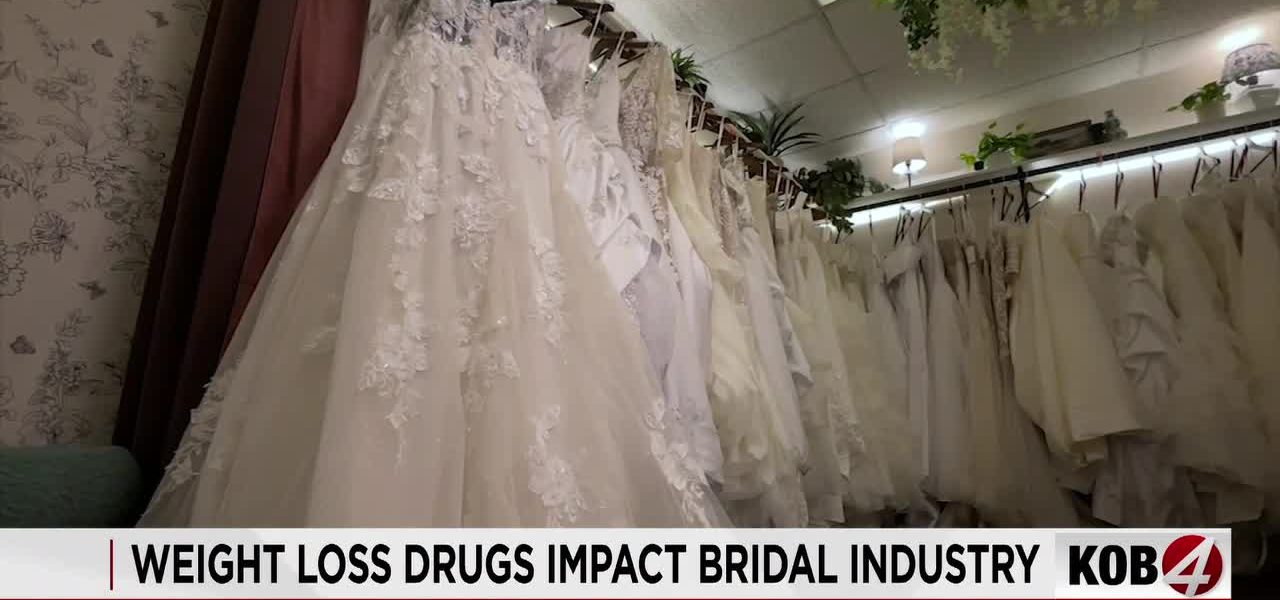
Vanessa Flores, who owns the charmingly named Oak and Vanilla Bridal in Albuquerque, watches this phenomenon unfold daily. She’s seen it all. “Honestly, when brides come in saying they’re a size 12 and wanna be a four for the big day, my immediate thought is always, you just gotta be comfortable,” Flores recently told Policy Wire. It’s a gentle caution from someone who understands the stakes—emotional and practical. But she acknowledges the trend, observing, “We’ve had so many last-minute brides lately. I get the stress, absolutely. But it also means they’re often waiting because they’re trying to drop sizes.”
This isn’t just a localized quirk; it’s a global undercurrent. In cultures as diverse as the United States and the subcontinent of South Asia, the societal microscope on a bride’s appearance before marriage can feel oppressive. The pressures often intensify, transforming what should be a joyous occasion into another hurdle to clear. Brides across Pakistan, for instance, face immense family and social expectations regarding their physical appearance, echoing — and sometimes surpassing — the American obsession with pre-wedding weight loss regimens. These aren’t just personal goals; they’re culturally inscribed mandates.
Dr. Lena Chen, a public health policy analyst specializing in body image trends, articulated the broader implications. “This isn’t about individual vanity. It’s an economic ripple effect of cultural narratives—that a bride isn’t ‘ready’ unless she fits a very specific, often unrealistic, aesthetic mold,” Chen stated bluntly in an email exchange. “And retailers are caught in the crossfire. They’re expected to accommodate a shifting target, quite literally, and absorb the risk when those transformations don’t materialize as planned.”
But the practicalities don’t always align with the dream. Altering a dress significantly is no small feat. “Going down more than two sizes? That’s really, really tough,” Flores warned, a veteran of countless fittings. “It fundamentally changes the garment’s entire structure. It won’t look the same, no matter how skilled the seamstress.” You’d be surprised how often that expectation gets lost in the shuffle. Because the fashion industry itself isn’t helping, pushing trends that sometimes favor less forgiving cuts.
A recent 2022 survey by The Knot, a leading wedding planning platform, revealed that a striking 69% of brides admitted feeling immense pressure to lose weight before their nuptials. That number — nearing seven out of ten — isn’t merely anecdotal; it underscores a pervasive issue rooted in cultural messaging and amplified by social media’s relentless highlight reel. But it’s having tangible business consequences.
📄 POLICY WIRE WHITEPAPER PUBLISHED: PAKISTAN'S NATIONAL SECURITY POLICY PRIORITIES
👉 READ BY CLICKING HEREBridal salons are forced to become incredibly flexible. Flores suggests corseted gowns or lace-up backs for exactly this reason. “I adore a good corset; it gives you options,” she said, touting the adjustable fit. They offer a bit more grace when the scales don’t quite tip the way a bride had hoped, or when they tip too much the other way. Still, there’s only so much magic a bridal consultant or an experienced tailor can work with fabric, needle, and thread. It’s an expensive dance.
What This Means
The trend of delayed dress purchases for weight loss isn’t just about wedding day jitters; it’s a fascinating, if worrying, bellwether for wider societal and economic currents. Economically, it introduces instability for small businesses like bridal boutiques. They face increased inventory holding costs, potential last-minute rushes requiring overtime for seamstresses, and the tricky diplomacy of managing client expectations against textile reality. It’s a consumer trend that places an undue burden on an already competitive market. This phenomenon subtly yet significantly impacts their margins, demanding greater flexibility and potentially driving up costs for all. It underscores how individualistic aspirations, often fueled by unrealistic beauty standards, can create tangible friction in local economies. On a broader societal canvas, this trend highlights the entrenched, often gendered, pressure for physical conformity—a silent epidemic that often goes unaddressed in policy circles, despite its implications for mental and physical health expenditures.
Ultimately, brides navigating this tightrope are doing more than just picking out a dress; they’re making a statement about where personal aspirations collide with societal expectations and the very real commercial machinery built around life’s milestones.