


Albuquerque’s Gold Rush: UNM Bets Big on Court, Reflecting Global Athletic Fervor
POLICY WIRE — Albuquerque, United States — Forget the traditional dusty halls of academia, because America’s college campuses are increasingly playing a different, far more expensive game. A...

POLICY WIRE — Albuquerque, United States — Forget the traditional dusty halls of academia, because America’s college campuses are increasingly playing a different, far more expensive game. A recent deal struck in New Mexico, securing a basketball coach for a staggering $7.25 million, isn’t just local news; it’s a stark, shining example of how deep institutions are willing to dig into their coffers to claim a slice of a burgeoning global sports economy. This isn’t simply about athletic prowess anymore; it’s about brand, about recruitment, and, perhaps most pointedly, about perception.
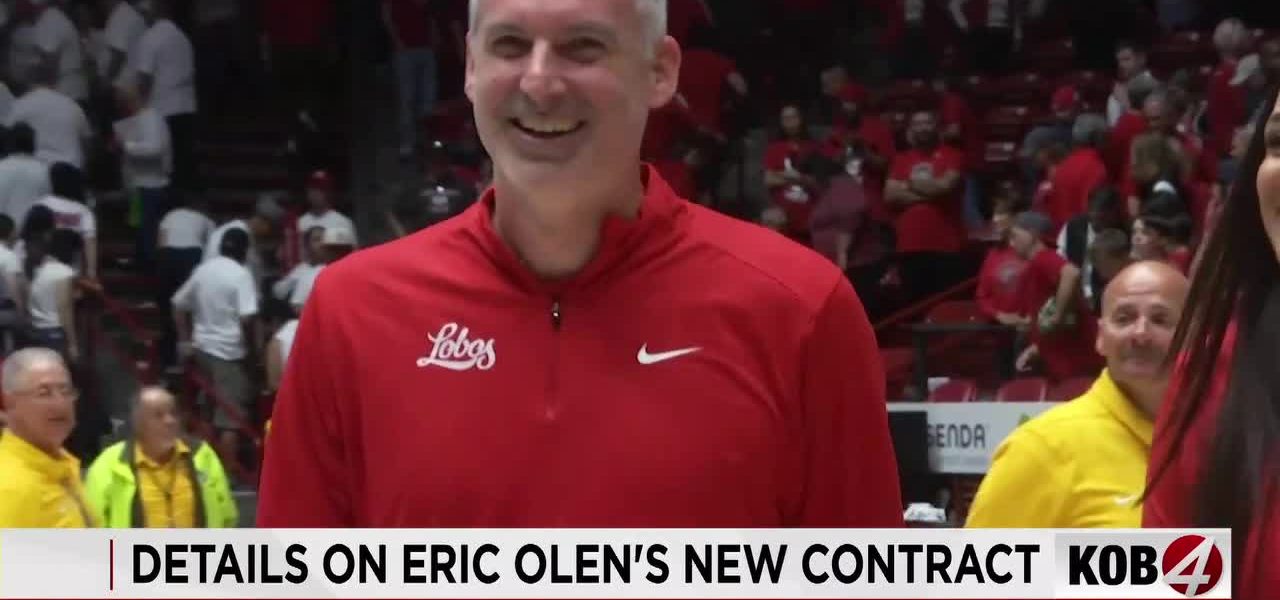
The University of New Mexico (UNM) recently inked Lobo basketball coach Eric Olen to a hefty five-year extension, locking him in at $1.45 million annually. It’s a sum that, in other sectors of public life—say, teacher salaries or public infrastructure budgets in developing nations—would spark vigorous public debate. Here, it’s framed as an investment. A strategic move.
Olen, always one to play it cool under pressure, downplayed the personal riches. “This place, I mean, this place is amazing, you know,” he said to reporters, navigating questions about his new windfall. “I have one of the best jobs in college basketball. I’m excited to be here.” And you’d have to be, wouldn’t you? That kind of cash tends to buy a certain level of enthusiasm.
Ryan Berryman, UNM’s Athletic Director, cast the decision in broader strokes. It reflects, he offered, how the school views Olen — and the entire program. “It just speaks to coach, right, and his approach and his, you know, greater holistic vision for the program,” Berryman opined, sounding less like a sports executive and more like a CEO explaining quarterly results. This isn’t charity; it’s calculated. Big dollars mean big expectations.
But the money didn’t just pool at the top. Part of the agreement diverts an additional $175,000 into the assistant coaching salary pool. A collective pay bump, even if modest compared to the lead man’s haul, is significant. Olen highlighted this too, acknowledging his staff’s grueling work. “They pour their heart — and soul into this on a daily basis, you know. So I think RB [Ryan Berryman] and our administration recognizing that and investing in them is something that was is important,” he insisted. Keeping the machinery running, — and well-oiled, matters.
Continuity is the name of this particular game. For Olen, having his staff locked in directly translates into a more stable recruitment environment and smoother team building. “This last six weeks of kind of putting this team together, versus the version of it we did the year before, having everyone here in place from the start, having that sort of continuity was extremely helpful in that process,” he explained, painting a picture of relentless, behind-the-scenes assembly.
This isn’t UNM’s first dance with the checkbook either. The football coach, Jason Eck, scored a similar deal just months ago. It suggests a clear, deliberate pattern: this institution means business when it comes to athletic success. Berryman’s statement leaves little room for ambiguity: “It just contributes to a larger narrative that we’re serious about investment and we’re serious about success.” Success, in this particular ecosystem, often comes with a seven-figure price tag.
📄 POLICY WIRE WHITEPAPER PUBLISHED: PAKISTAN'S NATIONAL SECURITY POLICY PRIORITIES
👉 READ BY CLICKING HEREBecause, ultimately, these sums are not merely wages. They’re bids. A play for market share in the incredibly cutthroat world of collegiate athletics. It’s a contest that, according to NCAA data, saw Division I athletic programs pull in over $14.3 billion in revenue during the 2022 fiscal year alone. That’s a colossal sum, making a million here or there seem almost, well, fractional, in the grand scheme. Olen himself, despite his modesty, is aiming for loftier goals. “We want to compete for championships in the New Mountain West. But we don’t necessarily want to limit ourselves to the conference, right? We want to compete beyond that,” he said, setting sights far past the regional stage.
What This Means
This escalating pay for coaches—and the supporting cast—isn’t an isolated phenomenon, even if New Mexico feels a long way from Wall Street. It represents the ongoing professionalization of college sports, blurring the lines between amateur athletics and multi-billion-dollar entertainment conglomerates. On one hand, it’s simply market forces at play; highly visible, successful programs generate immense revenue through ticket sales, merchandising, and lucrative media rights. Coaches who consistently deliver are, therefore, viewed as invaluable assets in this ecosystem. It’s the kind of investment that makes one wonder about institutional priorities.
But there are deeper implications. Consider nations like Pakistan, constantly weighing public spending on critical infrastructure, education, or healthcare against other forms of national projection. The intense global competition for ‘soft power’—whether through cultural exchange, scientific breakthroughs, or athletic spectacle—can pull resources in many directions. While UNM’s deal isn’t directly analogous to a national budget, it does highlight how institutions, even ostensibly academic ones, commit vast resources to highly specialized, publicly consumable entertainment. It’s an internal geopolitical strategy, you might say, where the university brand is paramount. It solidifies a system where athletic success often trumps other metrics in drawing public attention — and donor dollars. This trend isn’t just about winning games; it’s about the entire economic calculus of an institution seeking dominance in a crowded, high-stakes market.
Politically, such allocations can spark debate about resource distribution within public institutions, particularly when state funds are involved, even indirectly. Economically, it signifies the raw value of talent in a winner-take-all environment, where an elite coach is essentially a highly skilled, high-impact CEO for an entertainment division. It suggests that, in the evolving landscape of higher education, the return on investment from a nationally competitive athletic program is now calculated in figures that rival, or even surpass, the foundational research grants and faculty salaries that once defined academic prestige. We’re seeing, in real-time, the transformation of collegiate athletics into an unforgiving, globally connected industry.