


Carlsberg Ditches Plastic Six-Pack Rings: Cardboard ‘Greenwashing’ or Genuine Shift?
POLICY WIRE — Copenhagen, Denmark — It’s an age-old environmental villain, clinging to untold billions of beverage containers, drifting through oceans, and strangling wildlife: the plastic six-pack...

POLICY WIRE — Copenhagen, Denmark — It’s an age-old environmental villain, clinging to untold billions of beverage containers, drifting through oceans, and strangling wildlife: the plastic six-pack ring. But the brewers at Carlsberg—masters of fermentation, it turns out, are also attempting a little alchemy of another sort, converting petroleum-based pollutants into humble cardboard.
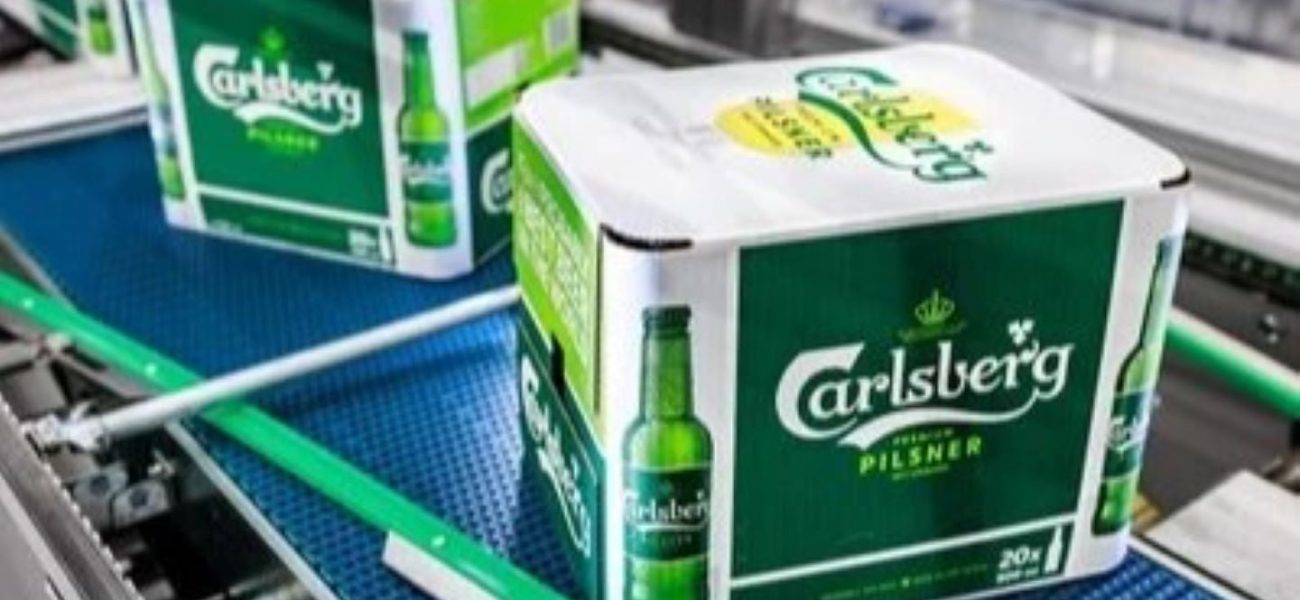
They’ve joined forces with packaging giant DS Smith and machinery whiz KHS to roll out a new generation of cardboard multipacks. The objective? To ditch those notorious plastic rings for good. Sounds noble, doesn’t it? This isn’t a grand, sweeping declaration, mind you. It’s a quiet evolution in the relentless, often unglamorous, battle against consumer waste that, frankly, industry helped create.
Carlsberg’s move toward this ‘Eco-Pack’ system—essentially a series of pre-cut cardboard frames that replace the plastic—follows years of murmurs and outright shouts from environmental groups. The company, like countless others, found itself staring down an escalating global problem, one that doesn’t just annoy consumers but actually translates into legislative headaches and reputational liabilities. This isn’t just about hugging trees; it’s about staying ahead of regulatory mandates and appealing to a demographic increasingly skeptical of corporate environmental claims. And let’s be honest, few things say ‘unsustainable’ quite like those brittle, ghostly rings that survive for centuries after their initial job is done.
For DS Smith, a company specializing in sustainable packaging, it’s a plum contract, proving their cardboard wizardry beyond mere shipping boxes. KHS, on the other hand, comes in with the heavy-duty machinery. Their packaging engineers designed equipment capable of handling thousands of cans an hour, securing them in cardboard faster than you can say “biodegradable.” It’s a marvel of industrial efficiency, ensuring that the environmental initiative doesn’t gum up production lines or, worse, spike costs so high it becomes financially unviable. Nobody wants eco-friendliness to crater the balance sheet.
“We’ve heard the calls, loud and clear. Consumers want solutions, not just promises,” stated Søren Eriksen, Carlsberg’s Vice President for Operations, with a carefully measured tone. “Our investment in this new technology, with partners like DS Smith and KHS, isn’t charity; it’s a commitment to our planet and to smart business practices. It’s what our brands need to remain relevant in a world where sustainability isn’t an option, but an expectation.” That’s a corporate speak way of saying, “We’d be stupid not to.”
But the true test for these corporate green initiatives always boils down to impact. Plastic packaging, for instance, still accounts for roughly 40% of all plastic usage globally, according to various industry reports. Changing the six-pack carrier is progress, sure. It reduces certain types of waste. Yet, cans are still lined, — and other components remain stubbornly plastic. “Every ton of plastic avoided is a victory, no question,” commented Dr. Anya Sharma, Director of Policy for the Global Environmental Alliance, when contacted for comment. “But let’s not mistake these single-issue fixes for systemic change. We need comprehensive circular economy policies, not just piecemeal innovations that let companies claim virtue while the bulk of their waste streams continue unchecked.” It’s a point worth chewing on.
📄 POLICY WIRE WHITEPAPER PUBLISHED: PAKISTAN'S NATIONAL SECURITY POLICY PRIORITIES
👉 READ BY CLICKING HEREConsider the broader landscape, particularly in fast-growing consumer markets like those across South Asia or the wider Muslim world. In places such as Pakistan, for example, where population growth and urbanization outpace waste management infrastructure, every piece of disposable packaging presents a mounting problem. While alcoholic beverages like beer might have restricted or nonexistent markets in some of these regions, the underlying principle of sustainable, biodegradable packaging translates directly to other industries – soft drinks, juices, bottled water, even food items. Imagine the impact if these cardboard innovations filtered down to local bottling plants there, where the plastic tide is overwhelming. It’s a trickle, perhaps, but one that policy wonks — and environmental advocates are watching closely.
What This Means
Carlsberg’s move isn’t just about a fancier beer carton; it’s a bellwether for the entire consumer goods industry. Economically, this type of sustainable shift presents a dual challenge — and opportunity. There’s the upfront capital expenditure for new machinery—that’s a substantial chunk of change. But then there’s the potential for reduced material costs long-term (especially as plastic pricing gets shakier and regulatory fees bite), improved brand image, and, critically, avoiding potential fines or taxes levied on unsustainable packaging. Companies that don’t innovate risk becoming obsolete or, at the very least, facing punitive tariffs that hit their margins hard—just look at how tariff tempests loom for other sectors.
Politically, this kind of corporate pivot strengthens the hand of environmental advocates pushing for stricter packaging regulations. When industry giants demonstrate that greener alternatives are viable, the ‘too expensive’ or ‘technologically impossible’ arguments fall flat. Governments, from the European Union to emerging economies wrestling with landfill crises, see a clearer path to mandating sustainable practices. It creates a domino effect: one major player adopts, competitors follow to avoid looking like environmental laggards, and eventually, what was once niche becomes the industry standard. Because, let’s face it, no brand wants to be remembered for the plastic it left behind. They just don’t.