

Château Diplomacy Meets Safari Spirit: Macron’s Anglophone Pivot Stirs Africa’s New Guard
POLICY WIRE — Nairobi, Kenya — The scent of opportunity, sharper than the strong Kenyan coffee, hung heavy in the air. For decades, France cast its gaze mostly eastward, toward its familiar former...

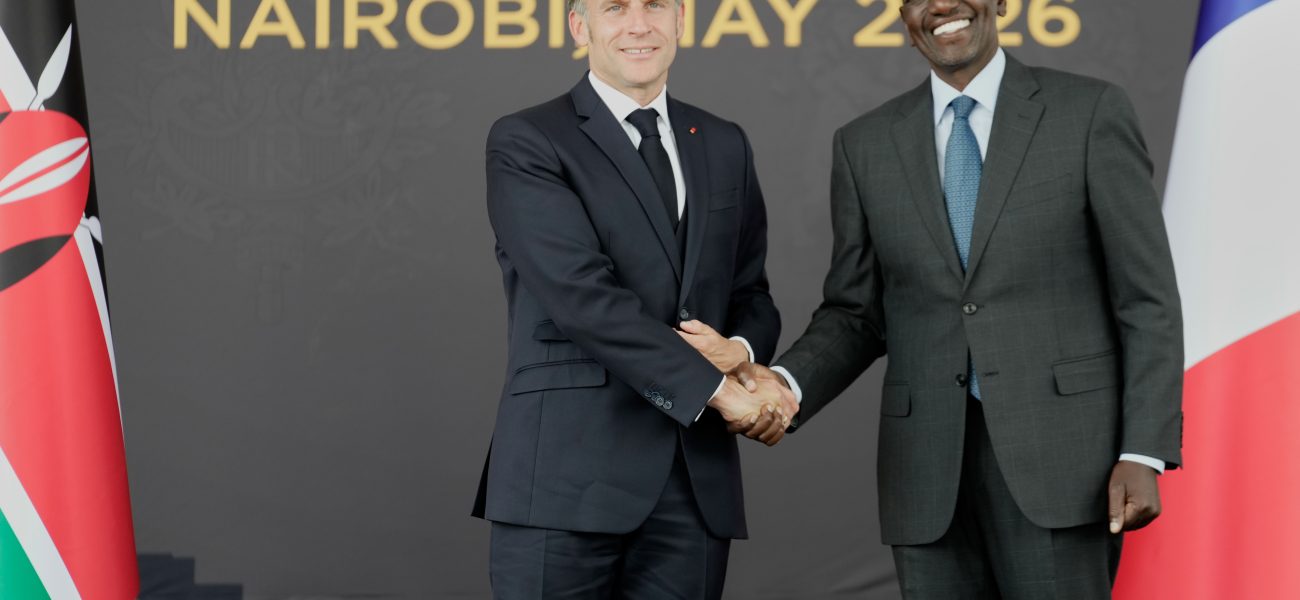
POLICY WIRE — Nairobi, Kenya — The scent of opportunity, sharper than the strong Kenyan coffee, hung heavy in the air. For decades, France cast its gaze mostly eastward, toward its familiar former colonies, its traditional hunting grounds for influence and commerce across West and Central Africa. But lately, Paris has found itself at an awkward crossroads, needing a new script. And so, Emmanuel Macron, the self-styled European disruptor, rolled into Nairobi not for nostalgic patter, but for some decidedly unsentimental, raw-edged commerce.
It’s a peculiar thing, seeing a French president working a room of Anglophone leaders. Almost as if finding your ex at your current partner’s family reunion, trying a little too hard to seem amicable. Macron wasn’t there to relive shared history (there isn’t much to speak of beyond competing colonial shadows). No, he’s looking ahead, or maybe, trying to catch up. Africa’s burgeoning middle class, its explosive youth population, its unmined potential—they’re too big to ignore, even for a France that’s watched its traditional hold slip. Frankly, he didn’t have much choice; the landscape shifted, — and fast. The old patronage networks are frayed, new players are everywhere.
The summit wasn’t about sentimental solidarity; it was about euros and cents, about French companies (think TotalEnergies, Veolia, Airbus) getting a foot in doors traditionally open to London or Washington. “We’re here not to dictate terms, but to forge partnerships based on mutual respect and shared growth,” President Macron told a carefully selected audience of regional business magnates and diplomats. His voice, measured but firm, projected a pragmatic appeal—a marked departure from the more paternalistic tones of predecessors. But let’s be honest, it’s never *just* about mutual respect; there are always strings, or at least threads, attached.
African leaders, savvy — and increasingly aware of their leverage, aren’t exactly lining up for charity. “Kenya welcomes any and all genuine investment that contributes to our national development plan, without preconditions that compromise our sovereignty,” retorted Amina Mohamed, Kenya’s seasoned Cabinet Secretary for Sports, Culture & Heritage (and former Foreign Affairs minister), known for her candidness. She wasn’t mincing words; they’ve seen plenty of suitors come — and go. China, for instance, has long since outstripped European nations in infrastructure investment, transforming entire swathes of the continent.
Because, make no mistake, Paris is playing catch-up. French trade with Anglophone African nations barely scrapes 10% of its total African engagements, according to recent trade reports. Compare that to the staggering volume of Chinese investment across the continent, which has become the largest bilateral creditor. That’s a stark number. It shows you just how much ground Paris has lost, or rather, never quite gained outside its historical orbit. They’re realizing they can’t just phone it in anymore. It’s a continent demanding to be taken seriously, on its own terms.
📄 POLICY WIRE WHITEPAPER PUBLISHED: PAKISTAN'S NATIONAL SECURITY POLICY PRIORITIES
👉 READ BY CLICKING HEREAnd what about the other burgeoning influences? Turkey, for example, has dramatically expanded its diplomatic footprint and trade relations, particularly in East Africa, cultivating goodwill with its ‘soft power’ approach, which often resonates with local Muslim communities and provides alternatives to Western aid paradigms. Even countries like Pakistan, though often viewed through the lens of South Asian geopolitics, maintain consistent diplomatic presence and partake in various UN peacekeeping missions across Africa, underscoring a broader, if less heralded, network of engagement. These aren’t headline-grabbers, perhaps, but they represent persistent, incremental gains—a hundred tiny cuts to traditional Western dominance. But hey, everybody wants a piece of the action.
What This Means
France’s energetic pivot isn’t just about a desire for new markets; it’s a telling acknowledgement of a geopolitical tectonic shift. The traditional spheres of influence are blurring, eroding, — and often just disappearing. Paris knows its post-colonial leverage is waning, especially in a world where African nations can play off a diverse roster of partners—from Beijing to Ankara, Riyadh to Islamabad. This gambit in Nairobi represents France’s desperate attempt to redefine its relevance, to move beyond the lingering baggage of its Francophone past and position itself as a forward-looking economic player across the entire continent. If it works, it means France buys itself some breathing room on the global stage. If it stumbles—which, let’s be honest, is a very real possibility—it confirms Africa’s accelerating detachment from former colonial patrons and its embrace of a truly multi-polar world. It’s a calculated risk, but frankly, what other option does Macron’s France have in an increasingly competitive environment? They’re just trying to keep up. Remember how global power dynamics are shifting? This African re-evaluation is a direct consequence.
This engagement also subtly challenges American — and British economic footholds, forcing everyone to compete harder. There’s less room for complacency these days. And the African states? They’ll gladly take the investments, the trade, the opportunities—but they won’t, couldn’t, bend to an exclusive master anymore. The future, it appears, belongs to those who adapt fastest. Like many developing nations, they’ve got to navigate an increasingly complex world.