


Texas Titans and Dollar Signs: A Softball Star’s Gleam in College Sports’ Commercial Juggernaut
POLICY WIRE — AUSTIN, TX — The confetti might still be settling on the latest individual accolade for a collegiate athlete, but let’s be honest: while Katie Stewart is busy rounding bases and...

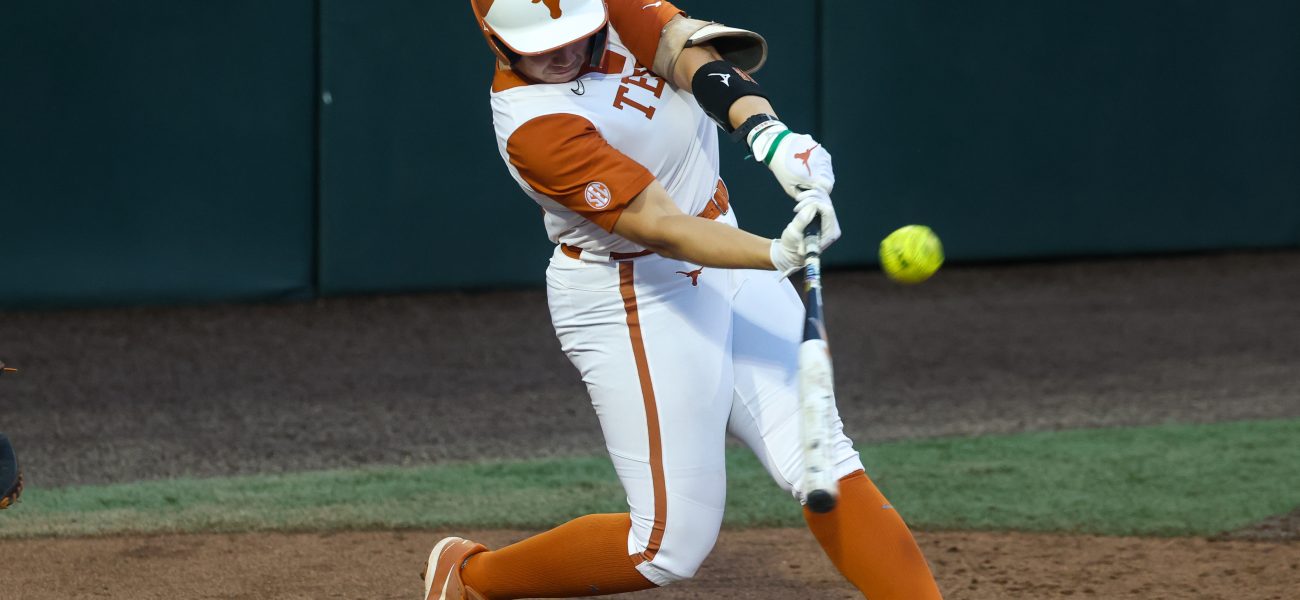
POLICY WIRE — AUSTIN, TX — The confetti might still be settling on the latest individual accolade for a collegiate athlete, but let’s be honest: while Katie Stewart is busy rounding bases and snagging titles, the real game unfolds in quarterly reports and broadcasting rights negotiations. Her designation as the Southeastern Conference’s (SEC) Player of the Year isn’t just a feel-good story for Texas Longhorns softball; it’s a tiny, gleaming cog in an absurdly profitable machine, a testament to what billions can buy in terms of talent development and public spectacle. It’s never just about the home runs anymore, is it?
Stewart, a junior first baseman, didn’t just excel; she dominated. Her coaches across the formidable SEC cast their votes, sealing her fate as the conference’s top dog. But because we’re talking about Texas — a fresh entrant into the SEC, no less — her success immediately elevates the school’s brand, its recruiting pull, and its position within college sports’ fiercest corporate battleground. And for a conference that functions more like a Fortune 500 company than a collection of amateur athletic departments, individual excellence is merely premium content.
“Katie’s raw power and relentless dedication are contagious,” lauded Mike White, Head Coach for Texas Softball, in a rather unsurprising, yet totally on-brand, statement. “She’s not just a talent; she’s a leader who embodies everything we aim for in this program. This recognition is well-deserved, and it absolutely reflects the competitive spirit we bring to every pitch.” Well, that’s one way to spin it. Because underneath all the rhetoric about spirit — and leadership, there’s an awful lot of cash flowing. And let’s be clear, her performance generates measurable economic value.
Consider the raw numbers: The SEC isn’t just playing games; they’re printing money. The conference generated nearly $800 million in revenue during the 2024-2025 fiscal year, as reported by Sportico. That’s enough to make even seasoned investment bankers raise an eyebrow. Texas joining that league wasn’t merely a geographical shift; it was a power move, a declaration of intent to compete at the very zenith of the sport’s commercial hierarchy. And individual awards? They’re just proof of concept.
This isn’t about diminishing Stewart’s prodigious efforts—she earned every bit of it, slugging it out game after game. But the sheer velocity of money swirling around collegiate athletics means even the purest displays of athletic skill become commodities. Universities aren’t just educating athletes; they’re cultivating marketable assets, leveraging their achievements to expand their empires.
But the reverberations of this commercialized excellence reach far beyond Austin’s city limits. Take Pakistan, for instance, a nation brimming with raw, athletic talent, particularly in sports like cricket and field hockey. The resources, the systemic investment—the sheer financial heft required to foster and monetize such athletic prowess in a sustained, consistent manner, well, it’s often a distant dream there. Whereas a U.S. college like Texas can build multi-million dollar facilities, offer substantial scholarships, and pay coaches salaries that would dwarf national budgets in other parts of the world, developing nations often grapple with fundamental infrastructure shortcomings. But the aspiration to achieve, to dominate, remains a universal human constant, albeit filtered through wildly different economic lenses.
“We’ve seen significant returns on our strategic investments in athletic programs, and Katie’s outstanding season is a fantastic return on that belief,” stated Texas Athletic Director Chris Del Conte, encapsulating the institutional perspective perfectly. “Her success validates our position within the nation’s premier athletic conference and further burnishes the Longhorn brand, attracting both future student-athletes and—crucially—donors and viewers. It’s all interconnected, you see.” It sure is.
What This Means
Stewart’s recognition isn’t an isolated incident; it’s symptomatic of the professionalization of college sports, particularly in mega-conferences like the SEC. Politically, this trend often fuels debates about amateurism vs. athlete compensation, potentially forcing legislative bodies to grapple with NIL (Name, Image, Likeness) policies and equitable revenue sharing models. Economically, a standout player like Stewart translates directly into ticket sales, merchandise revenue, increased broadcast viewership, and enhanced alumni donations—a cycle that pours more money back into the athletic departments, further separating the financially powerful few from the rest. The brutal poetry of sporting dominance, as seen in European football, has found its distinctly American rhythm in college athletics. This financialization isn’t slowing down, it’s accelerating, with implications for national talent development and—some might argue—the very soul of competitive sport. it entrenches the U.S. as a global exporter of high-stakes, commercialized sporting spectacles, an export that influences how nations like Pakistan view the potential, and perhaps the challenges, of their own nascent professional sports leagues. When success looks like Stewart’s, everyone wants a piece of that action. Or maybe just a slightly larger slice, as Beijing draws its own lines regarding who benefits most from athletic celebrity.