


Red Menace No More? Aston Villa’s Gauntlet Tossed as Anfield’s Aura Fades
POLICY WIRE — London, UK — There’s a certain grim poetry in watching a once-feared giant become just another stop on the circuit. Not just another fixture—a chance. A challenge, yes, but no longer a...

POLICY WIRE — London, UK — There’s a certain grim poetry in watching a once-feared giant become just another stop on the circuit. Not just another fixture—a chance. A challenge, yes, but no longer a looming dread. And that’s precisely the vibe pulsing through England’s Premier League. What used to be a fortress of intimidation, Anfield, and the celebrated squad that calls it home, is now — let’s just say — less daunting.
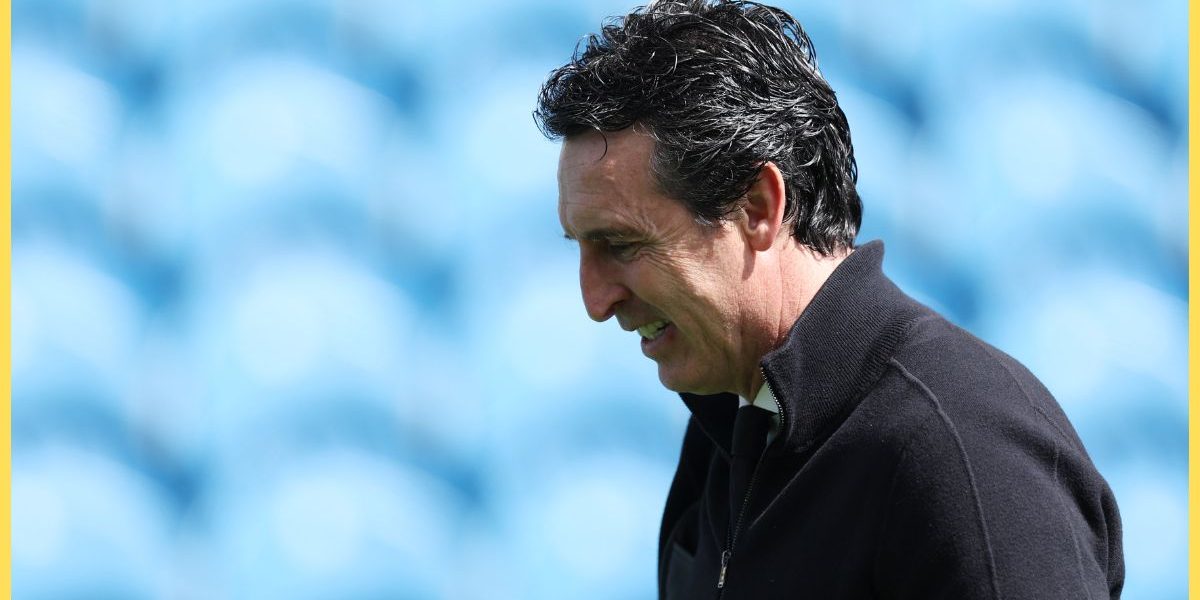
It’s no longer just pundits whispering about Liverpool’s recent wobble; now opposing managers are openly inviting the scrap. Unai Emery, the Aston Villa boss, fresh from a rather unspectacular 2-2 draw with Burnley, didn’t mince words. His tone wasn’t defiant, or hopeful. It was, rather disconcertingly for Reds supporters, simply matter-of-fact. He told avfc.co.uk that he’s not just ‘motivated’ but ‘excited’ to square off against Arne Slot’s lads on Friday. Excited. Not wary. Not nervous. Just… excited.
“We’re going to test against them as well in Villa Park,” Emery declared, his voice cool as ice. “Which team is – in this moment – better than the other in the table.” This isn’t just pre-match banter. This is a direct challenge, laid out like an evening’s casual entertainment. It implies an even playing field, perhaps even an advantage for the Birmingham side.
Because, well, something has fundamentally shifted. For a club whose estimated market valuation hovers north of the £4.5 billion mark, according to Forbes’ 2023 assessment of footballing titans, this perceived psychological fragility is a deeply troubling metric. It’s not just about points; it’s about respect. And they aren’t getting it, not anymore, at least not consistently.
Chelsea’s Levi Colwill chimed in recently after their draw at Anfield, remarking that the Blues really deserved all three points. He didn’t say it apologetically; he said it with the quiet conviction of someone whose side played with belief that hadn’t been intimidated by the opposition’s storied past. And there’s the rub, isn’t it? History, like old trophies gathering dust, doesn’t always translate to current-day menace.
For millions watching worldwide, including the fervent Premier League fanbase in Pakistan, these shifting dynamics mean something. Fan loyalty here often mirrors geopolitical allegiances—fierce, unyielding, but sometimes painfully tested by contemporary realities. A team’s perceived strength—or weakness—resonates deeply. You see the memes. You hear the passionate arguments on Karachi tea stalls — and Lahore drawing rooms. It’s not just a game; it’s cultural capital, a form of global soft power, if you will. And right now, Liverpool’s capital seems to be depreciating.
They’ve still got that decent record at Villa Park, only one loss in 11 league visits since 2011. But records? Form — and momentum, it appears, have decided to throw their weight behind Villa instead. Villa’s fresh off a European final appearance — the buzz, the self-belief, it’s all there. And that belief translates onto the pitch, allowing them to try — and poke at the Reds’ perceived soft spots.
That reactive, almost cautious style Liverpool adopted after initial dominance against Chelsea at Anfield — it speaks volumes. It’s the sign of a side second-guessing itself, not one brimming with the confidence of past glory. The fans see it. Opponents exploit it. And it’s not a pretty sight for anyone who’s worn the Liver Bird with pride. This isn’t just a slump; it’s an existential quandary, at least for a club used to being feared.
What This Means
Beyond the simple wins — and losses, this psychological shift holds considerable implications. For Liverpool, it could impact everything from future transfer negotiations to sponsorship deals. Elite players often gravitate towards clubs that project an aura of invincibility, not vulnerability. Diminished respect translates into a harder sell, economically speaking. For their rivals, a weaker Liverpool destabilizes the traditional ‘big six’ power structure, creating a more fluid, competitive landscape—something investors, both domestic and international, will keenly observe. A dynamic league makes for a richer league. Think of it like a national economy: when a few dominant players lose their grip, others see opportunities to surge. This fuels competition, sometimes to the benefit of the entire ecosystem. the global appeal of the Premier League, especially in burgeoning markets like South Asia, relies on compelling narratives and rivalries. A weakened giant often produces a more dramatic story. The financial calculus in football’s brutal market dictates that reputation and performance are intrinsically linked to value.