


Drone-Age Accountability: Baltic Minister Falls as Conflict Blurs Borders
POLICY WIRE — Riga, Latvia — Sometimes, the quiet ripples hit harder than the thunder. Forget the dramatic frontline offensives for a minute. The resignation of a senior government...

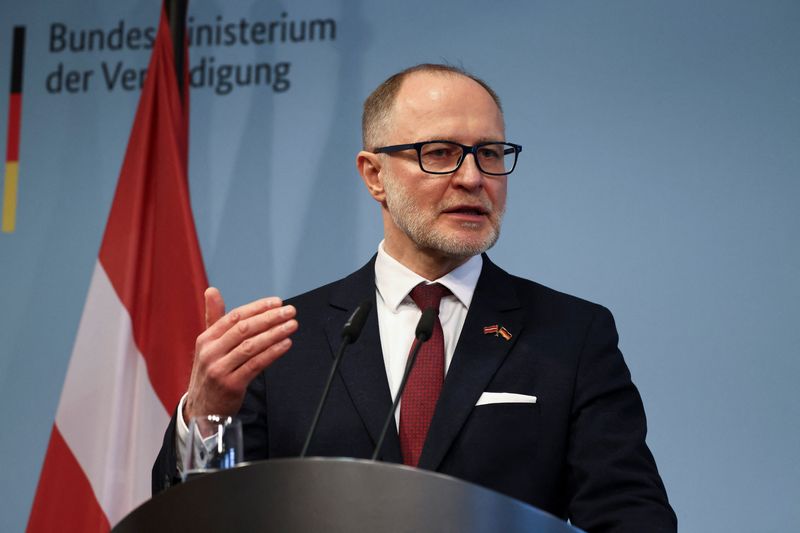
POLICY WIRE — Riga, Latvia — Sometimes, the quiet ripples hit harder than the thunder. Forget the dramatic frontline offensives for a minute. The resignation of a senior government minister—specifically, Latvia’s Defence Minister, Andris Sprūds—amidst distant but consequential skirmishes isn’t just about political theater. It’s a raw, palpable symptom of a war that refuses to stay put, sloshing over borders and demanding accountability, even in the staid halls of Baltic governance.
Sprūds’ departure, framed as an acknowledgement of shifting security realities, came hot on the heels of reports detailing Ukrainian drone attacks on Russian oil facilities. But here’s the kicker: Riga didn’t suffer a direct hit. Not a single oil tank smoldered on Latvian soil. Instead, his exit seems a tacit admission that Europe’s security landscape is now a borderless web, where events hundreds of miles away dictate political fortunes in Brussels, Berlin, and, yes, Riga. The former minister, ever the realist, isn’t sugarcoating it. “The demands of our collective defense mandate a vigilance—and perhaps a pace of change—that can sometimes outstrip even the best intentions,” he was overheard remarking to a close aide. “It’s about showing we’re truly ahead of the curve, not just reacting.”
It’s an awkward dance, isn’t it? A NATO member, firmly allied with Ukraine, sees its defense chief walk over consequences stemming from Ukrainian actions against a mutual adversary. You’d think the cheers would drown out the doubts. Not so fast. The subtle, sometimes not-so-subtle, pressure on Western leaders to navigate the war’s evolving nature is immense. They’re managing everything from aid packages to air defense—and now, the messy political fallout when one ally’s daring strikes inadvertently put another’s leaders in the hot seat.
But make no mistake, this isn’t just internal EU squabbling. Kyiv views these deep strikes as a strategic necessity. A high-ranking Ukrainian official, speaking anonymously for obvious operational security reasons, put it rather bluntly: “We’re making Russia feel the war in places they thought were safe. Every such strike alters their calculations, reduces their war chest, and compels Europe to understand the full scope of this struggle. We aren’t just fighting for our land; we’re fighting for a new security paradigm for everyone.” Strong words, certainly. They leave little room for ambiguity.
The incident forces a fresh, albeit uncomfortable, look at energy security—a topic that always seems to loom large, like a permanent cloud over Europe’s economic forecast. Attacks on Russian oil infrastructure might crimp Moscow’s war economy, which is Ukraine’s clear objective, but they also introduce volatility into global energy markets. For nations like Pakistan, for instance, heavily reliant on imported energy and facing persistent economic headwinds, any such volatility from distant battlefields translates directly into higher fuel prices at home, further exacerbating inflationary pressures. It’s a cascading effect; what happens on the Baltic Sea, or over Russian oil fields, eventually hits Karachi’s docks.
And what about the sheer audacity of these drone campaigns? They represent a shift, a decentralization of combat that was unthinkable a few years back. The humble drone, once a niche military tool, has now become a standard feature in high-stakes geopolitics. Consider this: according to analysts tracking global energy markets, oil prices saw a peak surge of nearly 18% in the three weeks following a particularly intense wave of drone attacks targeting Russian refineries this past spring. That’s a direct, quantifiable impact.
📄 POLICY WIRE WHITEPAPER PUBLISHED: PAKISTAN'S NATIONAL SECURITY POLICY PRIORITIES
👉 READ BY CLICKING HEREWhat This Means
Sprūds’ resignation isn’t just a localized blip on the political radar; it’s a bellwether. First, it highlights the intense scrutiny and higher stakes now confronting defense ministers across NATO’s eastern flank. Their countries aren’t just observers; they’re integral to a complex, volatile regional strategy. They’re expected to be nimble, innovative, — and unflappable, or they’re out.
Second, it reflects a growing European unease with the creeping, unpredictable expansion of the war’s battlefield. While supportive of Ukraine, many capitals are grappling with the unintended consequences of asymmetric warfare—an escalation of risk that extends far beyond the immediate belligerents. It puts policymakers in an unenviable bind, isn’t it? Supporting a fighting democracy while simultaneously managing the spillover effects. For example, some argue that European governments often scoff at Russian diplomatic overtures, even when they carry the potential for de-escalation, purely out of perceived strategic weakness.
Because ultimately, this war isn’t just about territorial gains or losses; it’s reshaping leadership itself. Those who can’t adapt, can’t manage the delicate balance between staunch support and pragmatic risk management, will simply get replaced. And this new era? It’s not just calling for conventional military strength, but for political resilience against unforeseen — and often inconvenient — collateral damage from far-flung drone strikes.
