


Crimson Tide’s Golden Ticket: The Perils and Promise of NCAA’s Top Softball Seed
POLICY WIRE — Tuscaloosa, AL, USA — There’s a certain kind of weight that comes with being designated number one. It’s not just a trophy, you see; it’s a target painted squarely on your back....

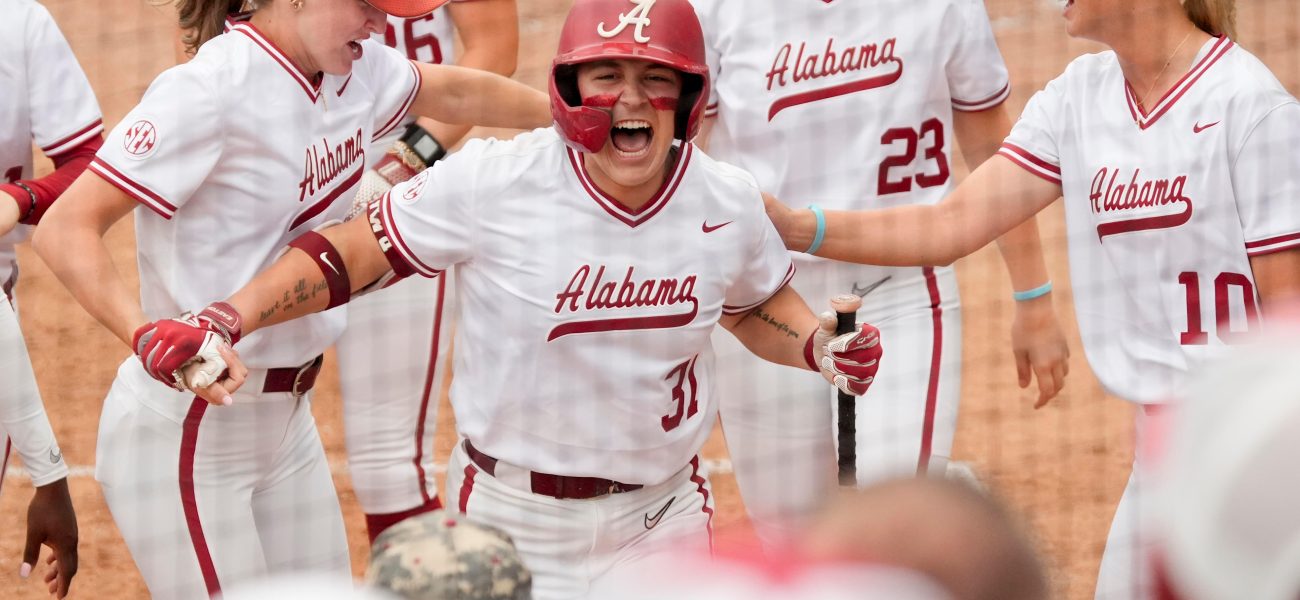
POLICY WIRE — Tuscaloosa, AL, USA — There’s a certain kind of weight that comes with being designated number one. It’s not just a trophy, you see; it’s a target painted squarely on your back. For the Alabama Crimson Tide women’s softball team, receiving the NCAA Tournament’s top overall seed isn’t merely recognition for a stellar season—it’s an implicit, brutal promise: ‘Win it all, or face the whispers.’
Fresh off a run that saw them navigate the shark-infested waters of the Southeastern Conference (SEC), the Tide clinched the coveted pole position despite a stumble in the conference semifinals. This distinction thrusts them onto college softball’s highest pedestal, commanding a home advantage through the critical regional and super regional rounds—should they perform, of course. But glory, as any seasoned sportswriter knows, is a fleeting thing. It’s a fickle mistress that demands constant appeasement.
This isn’t merely about balls — and strikes; it’s a high-stakes theatrical production, with Tuscaloosa as its main stage. The regional hosts four determined squads: the mighty Alabama, USC Upstate (sporting a robust 36-21 record), Belmont (an impressive 40-11), and SE Louisiana, who boasted a sterling 46-14 season. It’s a double-elimination slugfest, kicking off May 15, — and honestly, the stakes couldn’t be clearer.
Coach Elena Thorne, who’s seen her share of tournament sprints, didn’t mince words during a recent, uncharacteristically blunt presser. “They say the hardest thing in sports isn’t reaching the peak, it’s staying there. This team—they don’t just understand that; they embody it. But trust me, we’re not celebrating any crown until May’s final out. Every pitch is an examination. Every game, a final.” And she’s not wrong. Because that kind of pressure, it sharpens focus or it breaks you.
The selection committee’s decision wasn’t made in a vacuum. “The committee’s deliberations are exhaustive,” explained Dr. Evelyn Reed, Chair of the NCAA Softball Committee, in a Policy Wire exclusive. “While SEC performance is obviously a major factor, it’s about the entire body of work, the strength of schedule. Alabama, with a significant lead in their quadrant 1 wins throughout the season, simply had the résumé.” Reed was citing the detailed analytics now common in NCAA committee reports.
A stumble here isn’t just a loss; it’s a narrative shift. The Crimson Tide will open against USC Upstate. Later that day, Belmont — and SE Louisiana will duke it out. Winners play winners, losers play losers, and by Sunday, one team—perhaps the pre-ordained one, perhaps not—will advance. Their reward? A date with the winner of the Baton Rouge Regional, currently lorded over by No. 16 seed LSU, but also featuring Virginia Tech, South Alabama, — and Akron. This whole affair, from regional to super regional (May 22-24), is less a competition and more an attrition derby.
It brings to mind the intense, often unforgiving scrutiny placed on dominant entities, whether in sport or global politics. Take Pakistan’s national cricket team, for instance. A single dip in form can send their passionate fanbase—and influential media—into a frenzy, often ignoring years of sustained excellence. The expectation is always to dominate. And you simply don’t get to be called ‘number one’ without that same unrelenting external narrative.
📄 POLICY WIRE WHITEPAPER PUBLISHED: PAKISTAN'S NATIONAL SECURITY POLICY PRIORITIES
👉 READ BY CLICKING HEREBut make no mistake, success—even perceived success—pays dividends. A high profile tournament run means more eyeballs. More merchandise sales. Increased visibility for the entire university, potentially translating into academic applications — and endowments. This kind of attention helps bolster recruiting classes for years to come, strengthening a dynasty, one might say.
What This Means
The reverberations of Alabama’s top seed extend far beyond the chalk lines of Rhoads Stadium. For the University of Alabama, a deep tournament run means an immeasurable boost in brand equity, reinforcing its athletic prowess and potentially attracting top talent across all programs. On an economic level, Tuscaloosa businesses are poised for a significant surge as fans, families, and media descend upon the city for these crucial games. Restaurants, hotels, — and local shops experience a boom, a direct infusion of capital tied to the team’s fortunes. It’s a micro-economy sustained by collegiate athletics—a model increasingly studied by urban planners for its specific impact. This financial windfall, often understated, is a critical component of the modern college sports landscape, influencing everything from infrastructure development to scholarships.
Politically, within the NCAA structure, the allocation of top seeds also speaks volumes about conference strength. The SEC, consistently boasting multiple teams at the highest levels across various sports (just look at last year’s Missouri ‘Bully Ball’ victory), reaffirms its dominance. This clout translates into negotiating power for broadcast rights and future championship hosting opportunities, strengthening its position in the ever-evolving college sports ecosystem. It’s a testament to the institutional commitment and funding that supports such elite athletic programs—money that often originates from massive television deals and booster contributions, cycling back into facilities and coaching salaries. The cycle’s simple: Win big, get noticed. Get noticed, make more money. Make more money, win bigger.
This is it for Alabama—Win, or watch another team snatch the crown. It’s all on them now. No excuses. No easy outs. Just softball played under the relentless glare of expectation. A golden ticket, yes. But one that feels conspicuously heavy.