
Six Mile Fire: New Mexico’s Wild Heart Refuses to Yield, Testing Modern Resilience
POLICY WIRE — ALBUQUERQUE, N.M. — In New Mexico’s harsh, unyielding backcountry, the land itself seems to mock human endeavor. Smoke, a stubborn grey plume, has become the region’s latest landmark,...

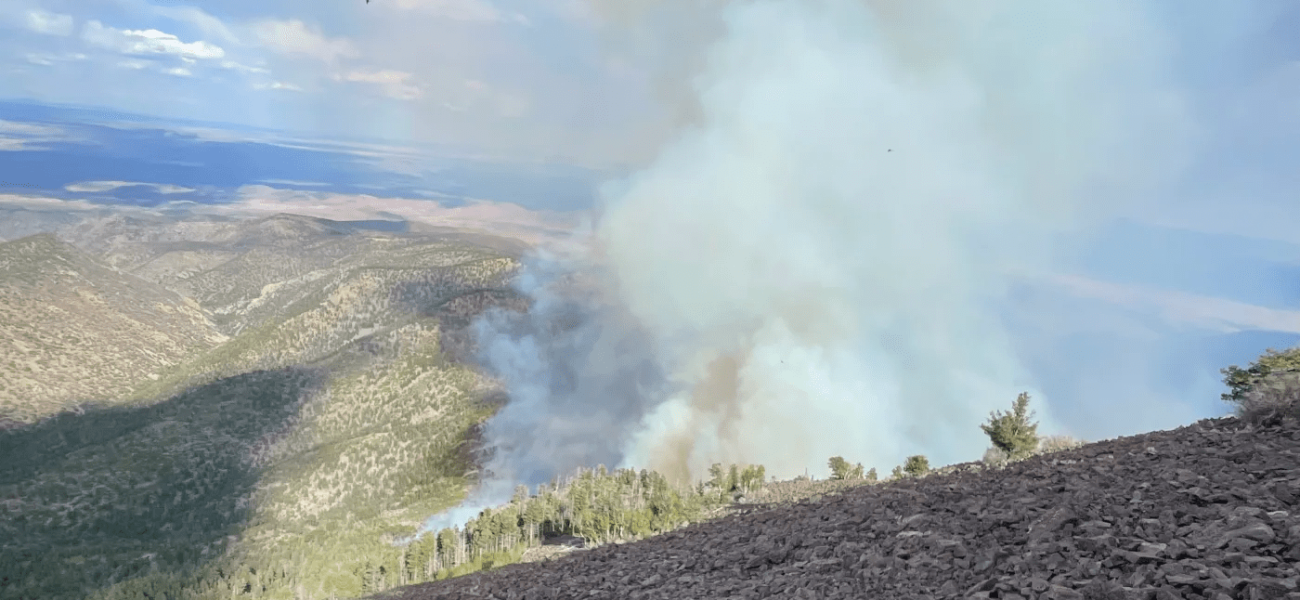
POLICY WIRE — ALBUQUERQUE, N.M. — In New Mexico’s harsh, unyielding backcountry, the land itself seems to mock human endeavor. Smoke, a stubborn grey plume, has become the region’s latest landmark, clinging to the high desert skies as the Six Mile Fire digs in, a grim testament to nature’s brute indifference. It’s not threatening towns—not yet—but it’s an ecological bruising, an annual rite of summer, played out across hundreds of remote acres where the primary inhabitants are scrub oak, pinyon, and rattlesnakes. Nobody’s exactly cheering, you know?
This inferno, currently pegged around 150 acres, isn’t some urban sprawl concern. No, this one’s nested deep in territory so fractured — and unforgiving that even a determined hiker would think twice. It’s a wilderness fight, plain — and simple, pushing specialized crews to their limits, day in and day out. They’re wrestling with an elemental adversary, armed with water, retardant, and an endless supply of grit.
Fire managers, seasoned by too many summers like this one, are playing a brutal game of chess. They’ve got their pieces: 3 Interagency Hotshot Crews, those lean, mean firefighting machines; a couple of Fire Modules for nimble response; air attack strategists directing the symphony from above. And, of course, the big guns. We’re talking about Type 3 and Type 1 Helicopters, circling like hungry hawks, dropping buckets of water where they can. But it’s the Very Large Airtankers—VLAs, as they’re known in the business—that often grab the headlines, laying down those bright red lines of retardant like desperate brushstrokes against a scorching canvas. It’s a sophisticated ballet, yet often feels like a whispered prayer against the roar of the blaze.
“We’re throwing everything we’ve got at this, but nature always holds the ultimate cards,” New Mexico Governor Michelle Lujan Grisham told Policy Wire, her voice tight with familiar frustration. “It’s a stark reminder of what we’re up against, year after year, with our drying climate. We can’t just hope for rain.” And she’s right; these fires don’t care about state budgets or political rhetoric.
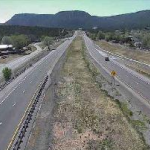
Cooler nighttime temperatures did offer a brief, fleeting reprieve, slowing the fire’s growth to a crawl. But don’t confuse slowing with stopping. The northwest corner of the burn showed increased activity yesterday, a persistent spark in the land’s raw wound. You can still see—and certainly smell—the lingering traces of it along U.S. Highway 60 — and even Interstate 25, just west of Socorro. It’s an undeniable marker of this summer’s unfolding drama.
This isn’t just an American West problem, either. The brutal economics of wildfire suppression, now an integral line item in national budgets, resonate globally. Think of the arid plateaus of Balochistan in Pakistan, where similar relentless fires often rage with far fewer resources to quell them, impacting already fragile ecosystems and livelihoods. The global south frequently bears the disproportionate brunt of environmental challenges, echoing this struggle against an unyielding landscape, often with devastating human consequences. It’s a shared vulnerability, playing out differently across continents.
📄 POLICY WIRE WHITEPAPER PUBLISHED: PAKISTAN'S NATIONAL SECURITY POLICY PRIORITIES
👉 READ BY CLICKING HEREState Fire Marshal John Martinez put it succinctly: “You don’t just ‘put out’ a fire in this kind of terrain. You manage it. You wrestle with it. It’s a calculated chess match where the board keeps shifting.” The U.S. Forest Service, grappling with an escalating crisis, reported that fire suppression costs have routinely exceeded $2 billion annually in recent years, a figure that’s more than doubled over the last two decades. That’s a staggering bill for an increasingly hot — and dry world.
What This Means
The Six Mile Fire, though not an immediate threat to habitation, underscores a grinding, unsustainable reality for western states. Politically, the escalating costs of fire management — funneling billions from other public services — create budget deficits that inevitably fall on taxpayers. Economically, while this particular blaze spares structures, the continuous cycle of wildfires has long-term repercussions: degraded land that impacts ranching, diminished tourism from smoke-choked skies, and increased insurance premiums across entire regions. The sheer logistical demand strains state and federal agencies, pulling personnel and equipment from other critical areas. There’s a quiet dread among policymakers and citizens alike, an unspoken question of how long resources can hold up against a climate that’s growing hotter, drier, and ever more volatile. The choice isn’t just about putting out fires; it’s about reshaping economies to endure a hotter planet, a brutal political calculus for future generations.
But for now, the weary crews just keep at it, because what else is there to do? You fight. You manage. And you hope that nature, for a brief spell, might just decide to cut you some slack. It’s a high-stakes poker game, — and humanity’s ante just keeps going up.