


The Brutality Tax: When Boxing’s Glory Comes Drenched in Red
POLICY WIRE — Manchester, UK — It wasn’t the WBO heavyweight belt, now draped over Daniel Dubois’s shoulder, that lingered after Saturday night’s slugfest. Nor was it...

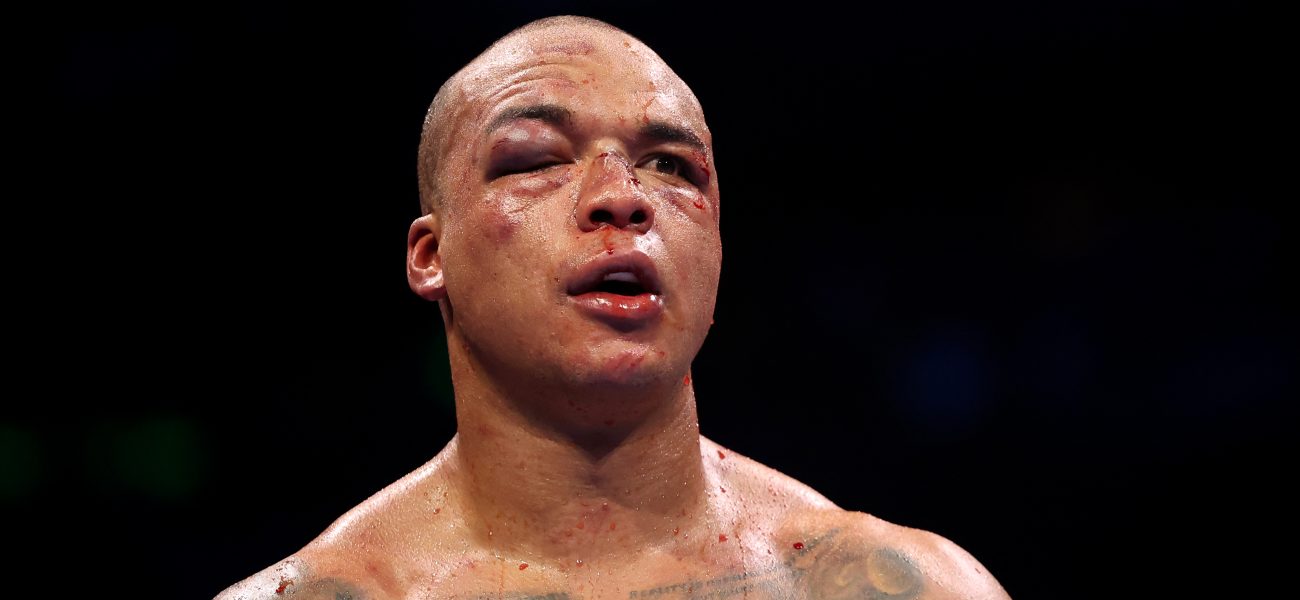
POLICY WIRE — Manchester, UK — It wasn’t the WBO heavyweight belt, now draped over Daniel Dubois’s shoulder, that lingered after Saturday night’s slugfest. Nor was it the roaring ovation from a packed Co-op Live arena. No, the lasting image, the one that clutches at the gut, was Fabio Wardley’s face — a canvas of raw, purple, and crimson damage, grotesquely swollen, barely recognizable. A picture worth a thousand uncomfortable questions about the brutal arithmetic of professional boxing.
Wardley, the reigning champ, didn’t just lose; he was disfigured. He stood, wobbling, for longer than any sane person would allow, testament less to his physical indestructibility and more to a system seemingly engineered to permit gladiatorial excess. Referee Howard Foster’s shirt, caked in Wardley’s blood, eventually told the real story. Because, let’s be frank, a blood-soaked referee adds a certain macabre authenticity, doesn’t it? A grim trophy from a modern spectacle that still sells ancient desires.
For Dubois, a man once tagged with the ignominious label of a “quitter” after his 2020 loss to Joe Joyce, this was a reclamation project of the most violent sort. He’d hit the canvas twice in the early rounds—first in the opening frame, then again in the third. Wardley, a whirlwind of furious energy from Ipswich, was doing what he does best: creating chaos. It felt like another chapter in his emerging legend, all bluster — and wild, effective aggression.
But the elite heavyweight ranks don’t often offer do-overs, let alone a third bite at the cherry. Dubois, a 251-pound Londoner with a quiet menace, steadied himself. His trainer, Don Charles, must’ve said some very sharp words between rounds, because Dubois didn’t just regroup; he started dismantling Wardley piece by agonizing piece. Each jab became a surgical strike, footwork slick, right hands finding their mark with sickening regularity. The resistance, visibly, started to drain from Wardley’s battered frame. You could see the fight leave him, bit by bit.
The fight turned into a brutal procession, a grim inevitability unfolding before a reported record indoor boxing crowd in the UK of 18,212. Wardley’s right eye had vanished into a pulpy mess. His nose was flattened. His other eye was quickly heading the same way. He was gasping for air, mouth agape, gulping the charged Manchester atmosphere. But his heart? Oh, that kept pumping. “It was a war. Had some sticky moments,” Dubois said later, after having inflicted that damage. “Thank you, Fabio, for that. I’ve got heart, bundles of heart. I’m a warrior in there. I had to shake off [the knockdowns] — and come back. I’m a warrior.” It’s the kind of statement that encapsulates boxing’s own paradoxical courage — needing an opponent’s ‘heart’ to prove your own, even if it costs them part of their face.
Two separate vision checks by the ringside doctor in the ninth and tenth rounds felt more like performative theatre than genuine concern. The crowd, an animal of a different stripe, initially reveled in the ‘beautiful brutality,’ as DAZN commentator Adam Smith coined it mid-fight. They roared. They bayed for more. The sheer spectacle, its primal draw, was undeniable. This visceral appeal isn’t unique to the UK, either; consider the passionate following for combat sports in countries like Pakistan, where individual struggle and an almost spiritual resilience against hardship often imbue fighters with a folk hero status, making their on-screen battles echo a much larger, culturally ingrained narrative of enduring. Such engagements—whether in traditional wrestling or modern boxing—aren’t just about the physical; they speak to deeper human experiences of perseverance and honor, often at steep personal cost.
📄 POLICY WIRE WHITEPAPER PUBLISHED: PAKISTAN'S NATIONAL SECURITY POLICY PRIORITIES
👉 READ BY CLICKING HEREBut then, the mood shifted. Cheers morphed into something heavier, a quiet concern rippling through the arena as Wardley’s face deteriorated further. Still, his corner didn’t act. Foster, the referee, famed for a quick stop in 2013 during a George Groves bout, seemed frozen by the unfolding spectacle. And the doctor? They kept waving it on. It was a failure of the safety net, a trio of supposed guardians letting the fight slide towards an entirely unnecessary level of nastiness.
Queensberry promoter Frank Warren, a man who’s seen it all in his half-century promoting fights, waxed lyrical post-bout: “It was amazing. These two guys showed such heart, great heart, chins. It was an amazing fight. Absorbing. It had everything. It was exciting. Best heavyweight fight I’ve ever put on.” High praise indeed, but when is the ‘best’ fight one that borders on negligent injury? This kind of rhetoric, though standard in the fight game, barely masks the underlying tension between entertainment and duty of care.
What This Means
This isn’t just about two tough blokes having a scrap. This fight throws a harsh light on the systemic frailties in boxing’s regulatory apparatus, especially when commercial interests collide with fighter safety. Because what happened to Wardley could’ve been stopped sooner. The officials — from the corner team to the ringside doctor and the referee — all hold immense power. Their hesitation here wasn’t a mark of respect for Wardley’s grit; it was a policy lapse, a moment when collective responsibility failed a vulnerable athlete. It reinforces a disturbing truth about combat sports: courage, in this context, can be a fighter’s undoing, turning them into a prop in their own demise. Organizations like Policy Wire consistently question these uncomfortable dynamics in the broader political economy of sport. When the gate receipts and broadcast deals are astronomical, the incentive to let a fighter ‘prove’ themselves beyond reason grows exponentially. Economically, prolonged fights often mean more revenue, but the human cost isn’t factored into quarterly reports. This particular brand of bloody entertainment, while drawing massive crowds and generating significant income, puts pressure on regulatory bodies to be proactive, rather than reactive. If boxing wants to maintain any shred of ethical standing, it simply has to prioritize health over an audience’s thirst for unending drama. Wardley walked away, scarred but capable of fighting another day—though hopefully after a long, necessary break. But his departure isn’t a comfort; it’s a stark reminder of the minimum expectation in a sport that demands everything, and then some, from its participants.