


America’s Kitchen Table: The Unseen Economics Behind the Annual Food Haul
POLICY WIRE — ALBUQUERQUE, N.M. — It’s a paradox of plenty, isn’t it? In a nation often celebrated for its wealth, the unassuming collection of canned goods from residential mailboxes, a...

POLICY WIRE — ALBUQUERQUE, N.M. — It’s a paradox of plenty, isn’t it? In a nation often celebrated for its wealth, the unassuming collection of canned goods from residential mailboxes, a practice spanning more than three decades, serves as a stark, annual reminder that the hunger pangs felt here aren’t just an abstract concern—they’re an immediate, physical reality for millions. And Albuquerque, a city grappling with its own distinct economic currents, isn’t immune. Every May, the ‘Stamp Out Hunger’ drive by postal workers kicks off, transforming mail routes into temporary supply lines, a grassroots effort underscoring something profoundly larger about the state of our union and its often-fraying safety nets. They pick up the goods, we pick up the pieces, as it were.
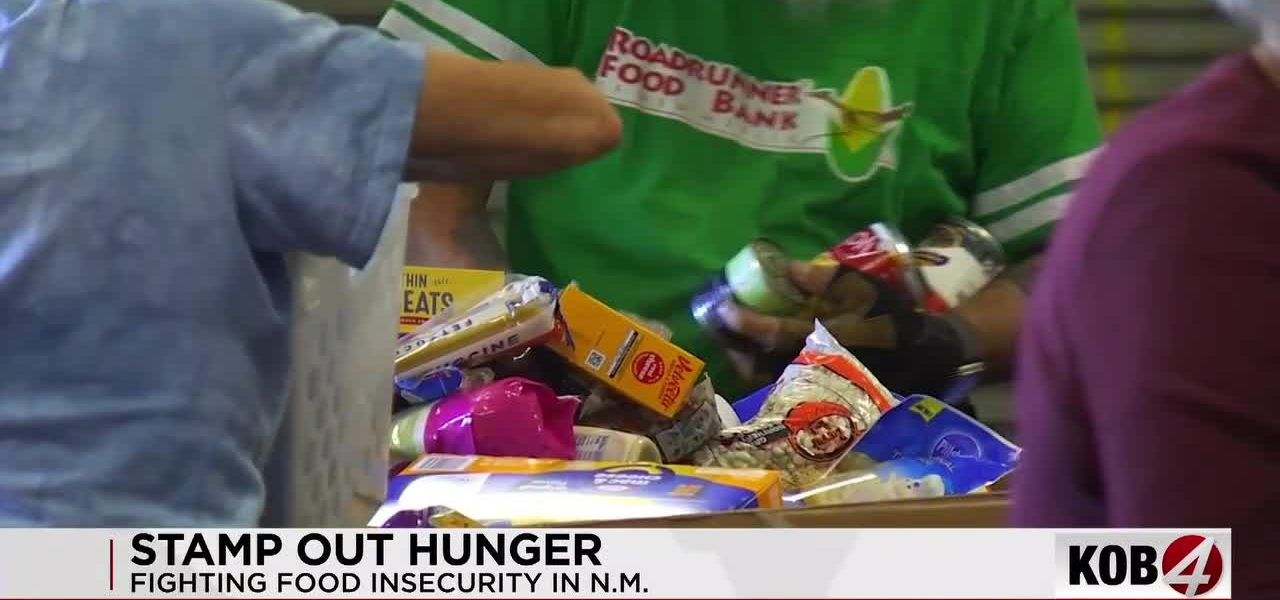
This year’s iteration saw familiar scenes unfold across the high desert city. Volunteer armies—Roadrunner Food Bank among the prominent movers—converged to sort what locals left out. Canned soups, pasta, forgotten cereals. It’s a civic gesture, certainly. But it also illuminates a system where charitable giving is left to paper over widening cracks in economic equity. The sheer logistics alone—mobilizing countless mail carriers, engaging hundreds of volunteers—speaks to the scale of the problem. You can’t just gloss over it. The annual drive collects tens of millions of pounds nationally, a figure that almost numbs you to the individual struggles it represents.
Steve Lowry, a longtime organizer involved with the initiative, articulated the stark, simple truth of it. “Everybody’s been in need at some point in their lives, and we’re just here to help that and to make sure hungry people get fed,” he remarked, his voice a practiced blend of weariness and dedication. It’s a statement that cuts through the policy jargon, laying bare the human element at the core of the problem. Because despite our impressive GDP figures, approximately 34 million Americans faced food insecurity in 2022, according to USDA data. Thirty-four million. That’s not a niche problem; it’s a national one.
The local KOB 4 station sponsored the event again, lending it broadcast visibility, which helps, no doubt. But the story really plays out in quiet neighborhood streets. Those small acts of generosity often mask the larger questions about systemic vulnerabilities that force families into such precarious positions year after year. New Mexico, consistently ranking among states with higher rates of poverty and child hunger, finds these drives less a feel-good story and more a crucial patch. It’s an economy of need, relentlessly paced. And as some postal carriers were still making pickups weeks after the official Saturday event (extending from May 12 through May 16), it’s clear the need doesn’t adhere to a tidy schedule either.
“We applaud the generosity of Albuquerque’s residents, but we must also acknowledge that these drives are an unfortunate barometer of ongoing economic stress,” stated Representative Teresa Cordova (D-NM), who chairs the state’s committee on poverty and hunger initiatives. “It’s a Band-Aid, a much-needed one, on a wound that requires deeper treatment—fair wages, accessible healthcare, and housing stability.” She’s got a point. And without sustained policy intervention, we’re likely to see the postal service delivering donations for decades to come.
Beyond America’s borders, this scene resonates deeply in other contexts. Think about a place like Pakistan, for instance, where geopolitical tremors—from regional conflicts to global market shocks affecting commodity prices—routinely throw millions into sudden food insecurity. International aid organizations often navigate logistical nightmares far more complex than a postal route, yet the fundamental challenge remains identical: getting basic sustenance to families that simply can’t acquire it on their own. The principle is the same. The struggles of families in Khyber Pakhtunkhwa mirroring, in an existential way, those in the South Valley—different scales, yes, but identical in the gnawing, dehumanizing experience of hunger itself. It’s a sobering global commonality, isn’t it?
What This Means
The annual Stamp Out Hunger drive, for all its goodwill and operational efficiency, highlights the nation’s fractured social contract. It’s an informal safety net, catching some but leaving many to fall through the cracks of a burgeoning cost-of-living crisis and stagnant wages. While unemployment figures might look healthy on paper, the underlying truth for a substantial portion of the populace—especially in regions like New Mexico—involves a precarious dance between multiple part-time jobs, evaporating savings, and an ever-present fear of an unforeseen expense. The drive doesn’t just feed families; it acts as an economic indicator, a civilian barometer for a silent crisis playing out in households across the country.
The political implications are clear. Leaders often tout economic recovery, yet community efforts like these show a different picture on the ground. They reflect a tacit acceptance that the government, through formal programs, isn’t quite reaching everyone it should—or simply can’t keep up. America’s shifting economic sands aren’t just affecting immigrant communities; they’re impacting working-class families who find themselves increasingly reliant on charity for basic needs. This isn’t sustainable, nor is it dignified for a developed nation. it places an unfair burden on non-profits — and volunteer networks. The feel-good optics of a community banding together to ‘stamp out hunger’ shouldn’t overshadow the need for robust, governmental policy changes that address the root causes of food insecurity, ensuring that relying on charity doesn’t become the norm—because, frankly, it’s already happening. New Mexico’s distinct challenges, often dismissed as ‘dustbowl’ issues, deserve focused attention from lawmakers. This yearly outpouring of neighborly kindness, however commendable, represents a policy vacuum where proactive solutions should stand.