


Silent Drifts: India’s Missile Diplomacy Reshapes Asia’s Chessboard
POLICY WIRE — New Delhi, India — Forget the flash of Western arms fairs or the bluster from Moscow’s defense halls. The true shift in global military procurement is playing out in quieter corners,...

POLICY WIRE — New Delhi, India — Forget the flash of Western arms fairs or the bluster from Moscow’s defense halls. The true shift in global military procurement is playing out in quieter corners, across dinner tables in New Delhi, where India—long seen primarily as an arms buyer—is now pitching its wares. And frankly, the market is responding.
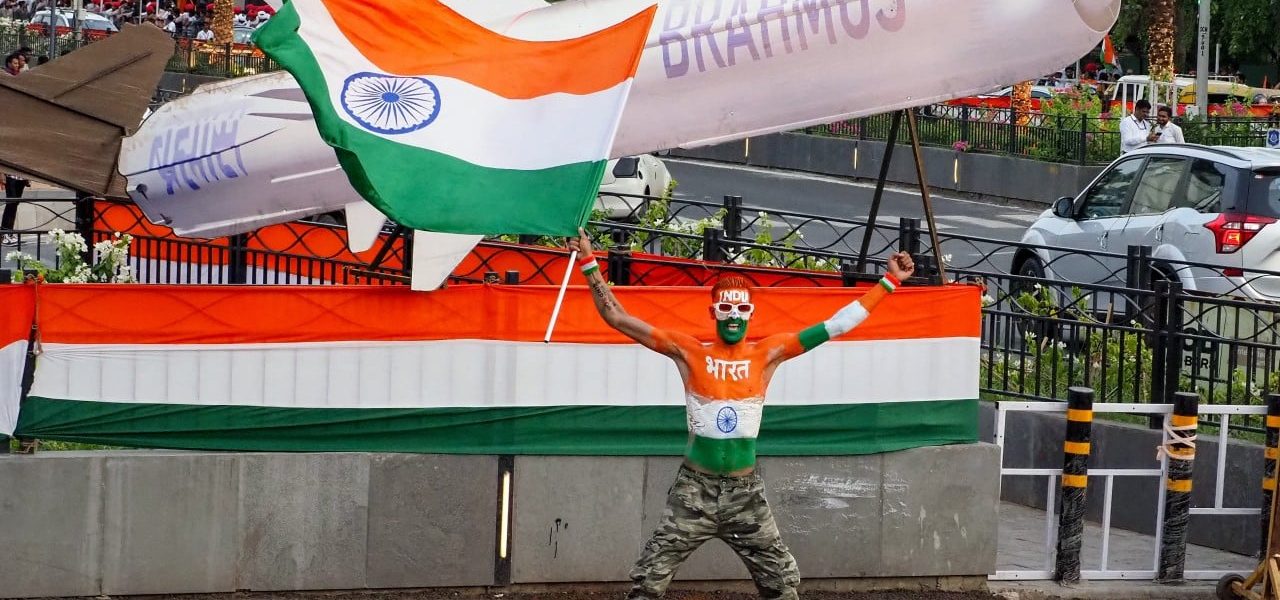
It’s not just Vietnam eyeing India’s supersonic BrahMos missiles. No, not by a long shot. Hanoi’s advanced negotiations for a reported US$700 million package aren’t an isolated incident; they’re the loudest signal yet in a rapidly developing trend. This isn’t just about one nation getting new toys. It’s about who’s selling them, — and to whom. Think of it as a subtle but undeniable realignment of the global arms supermarket, with a new aisle opening up for customers who might be a bit wary of the usual suspects.
The Vietnamese, pragmatic as they come, are just the latest to jump onto this emerging bandwagon. Sources close to the deal indicate talks picked up significant pace during Vietnamese President To Lam’s recent visit, cementing what many regional watchers see as a direct response to a certain rising power’s increasingly assertive presence in the South China Sea. Nations aren’t buying these systems for parades, are they? These are deterrents, plain and simple.
“National sovereignty isn’t a negotiating point,” Vietnamese President To Lam reportedly stated during a joint press briefing, albeit not directly addressing missile sales. “We must equip ourselves with the means to safeguard our interests, independently — and decisively. Strategic partners, like India, share that understanding.” It’s a statement that says plenty without uttering a single controversial syllable. And he’s not wrong. Many nations feel they’ve been pushed into a corner by larger players.
India’s Defence Minister Rajnath Singh, never one to mince words when it comes to national prowess, weighed in on the broader implications of India’s growing defense manufacturing base. “India isn’t just a buyer anymore; we’re a serious player, offering capabilities—proven capabilities—that others might have once monopolized. Our neighbors, and friends further afield, understand the strength this represents,” he told reporters last month, referring to the ‘Make in India’ defense initiative that’s quietly been churning out impressive hardware.
The BrahMos missile, a joint venture with Russia, isn’t some untested prototype. It’s a battle-proven, precision-strike weapon with a range that gives any prospective buyer—like the Philippines, Indonesia, and potentially others who share Vietnam’s maritime headaches—a serious shot in the arm. Philippine defense officials, for instance, are already in advanced stages for their own BrahMos acquisition, seeing its deterrent power against an increasingly militarized neighbor.
📄 POLICY WIRE WHITEPAPER PUBLISHED: PAKISTAN'S NATIONAL SECURITY POLICY PRIORITIES
👉 READ BY CLICKING HEREBut the story doesn’t end in Southeast Asia. This Indian surge ripples across the subcontinent — and beyond. Pakistan, India’s historical rival, which leans heavily on Chinese military hardware, will be watching this development with more than a little interest. The idea of India not just possessing advanced arms, but exporting them, alters the regional power dynamic, doesn’t it? For countries in the Middle East and North Africa—a region perennially hungry for sophisticated defense technology, from Riyadh to Cairo—India’s emergence as a non-aligned, potent arms supplier offers a compelling alternative to traditional suppliers, often burdened by political strings or slow delivery. It’s an interesting prospect for anyone tired of geopolitical quid pro quos.
What This Means
This evolving narrative is more than just another arms deal; it signals a fundamental shift. Politically, India leverages its technological might to forge stronger, independent defense partnerships, reducing reliance on Cold War-era alliances. This helps it project power and influence, quietly challenging the established geopolitical order without outright confrontation. For nations like Vietnam, it means increased strategic autonomy, a tangible way to deter larger, more aggressive neighbors without aligning explicitly with the West or being tied to the often-stifling terms of Western or Russian arms sales. Because, let’s face it, no country wants to feel beholden. Economically, this signifies India’s burgeoning defense industrial complex becoming a genuine global contender, transitioning from import dependency to export leadership. It’s creating jobs, fostering innovation, and, most importantly, attracting significant foreign currency inflows that buoy its domestic economy. For the global defense market, long dominated by a handful of established players, it introduces a dynamic new competitor, injecting a dose of market volatility that conventional wisdom rarely predicted. And for countries worried about their own backyard, a proven weapon system from a rising Asian power looks pretty good right now.