


Blood-Red Glint: A Goliath Gem, a Nation’s Wounds, and the Junta’s Reckoning
POLICY WIRE — Naypyidaw, Myanmar — They’re dying out there. Every single day, people caught between a brutal military junta and a determined resistance movement find themselves on the wrong end of a...

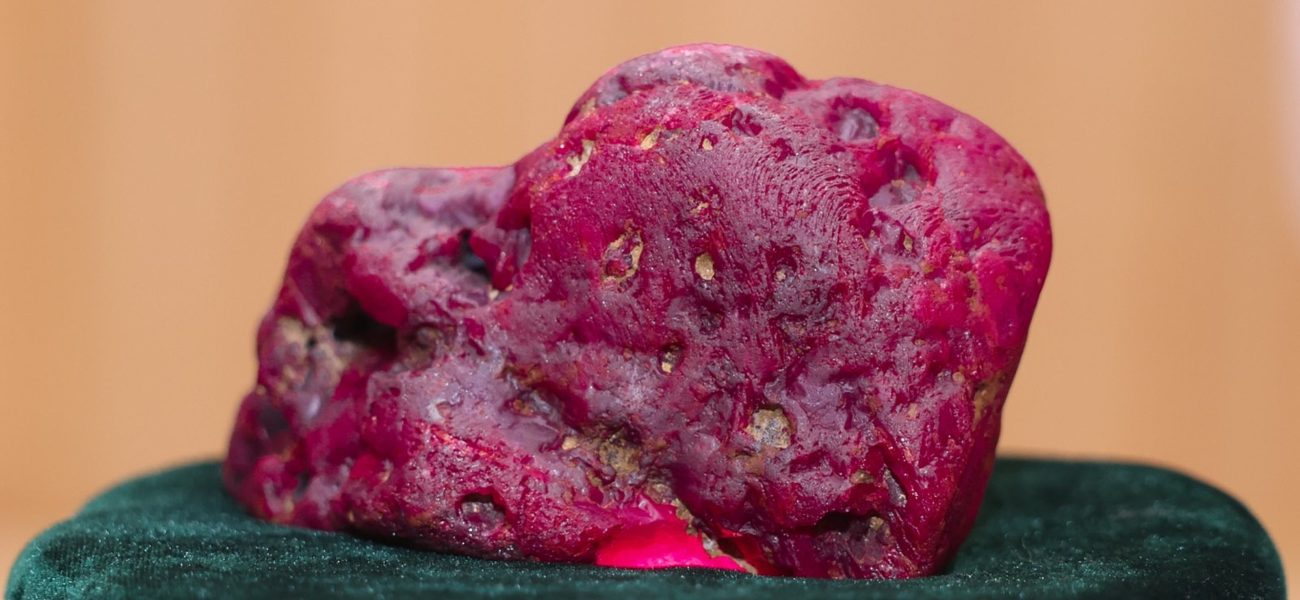
POLICY WIRE — Naypyidaw, Myanmar — They’re dying out there. Every single day, people caught between a brutal military junta and a determined resistance movement find themselves on the wrong end of a bullet, or worse. So when the news breaks, whispered at first, then screamed across gemstone markets in Thailand and beyond, that some colossal ruby – a real behemoth of the earth – has been hauled from the dirt, it hits different. It’s a grotesque kind of irony, really, that such beauty can emerge from so much agony.
It wasn’t a sudden, quiet discovery in some remote patch. No, this was the Hpakant region of Kachin State, a territory perpetually bruised by conflict, perpetually stripped of its riches. The numbers floating around suggest this stone is pushing 11,000 carats, potentially one of the biggest raw rubies ever dug. But who cares about record books when the ground it came from is still soaked with the blood of miners and rebels, civilians caught in an inferno?
Because that’s the kicker, isn’t it? This isn’t just about a pretty rock. It’s about who owns it. It’s about who benefits from its journey from the earth’s guts to some oligarch’s vault. And we both know it won’t be the people of Myanmar. It’s not about them getting a fair slice of this country’s immense, glittering bounty. Never has been.
The regime, which seized power in 2021, has maintained an iron grip on the most profitable natural resources. Gems, teak, gas – these aren’t just commodities. They’re currency for repression. They’re how they pay the bills for a military machine that shows zero compunction about shelling its own villages, slaughtering its own citizens. “This magnificent discovery serves as a testament to the sovereign wealth of Myanmar,” declared General Zaw Min Tun, spokesman for the ruling State Administration Council, in a rare, stilted press briefing that smelled faintly of desperation and overplayed patriotism. “Its proceeds, when eventually realized, will directly contribute to national development and the stability of our Union, free from external interference.” Convenient, that.
But the ‘development’ is mostly for the generals — and their cronies. You can ask anyone, just about, in the conflict-ridden states – Kachin, Shan, Kayin – whether they’ve seen any ‘development.’ They haven’t. What they’ve seen is a worsening spiral of violence, aid blockades, and rampant corruption that siphons off everything into untraceable offshore accounts.
And let’s not forget the international angle. Neighbors, particularly Bangladesh, bear the brunt of the instability. We’re talking refugee crises that are stretching resources and political will thin. The influx of Rohingya Muslims, pushed from Rakhine state by previous military purges, is still a gaping wound. Pakistan, too, a major player in the wider Muslim world, watches these developments with a cautious eye. They’ve got their own regional dynamics, of course, but the echoes of resource curses and marginalized communities resonate across borders. It doesn’t just stay in Myanmar.
Conflict gold, blood diamonds – call it what you will. The supply chains for these ‘treasures’ are notoriously murky. Smuggling networks thrive in lawless zones, funnelling funds back to the very regimes perpetuating the chaos. A report by the United Nations Independent Investigative Mechanism for Myanmar highlighted that in 2022 alone, an estimated $1.5 billion in foreign exchange revenue flowed to the military junta, largely through resource exploitation and state-owned enterprises, despite widespread international sanctions. That’s an awful lot of money to keep a war going, isn’t it?
Dr. San Zaw Htun, an exiled political analyst now working with a pro-democracy NGO from neighboring Thailand, didn’t mince words. “Every glittering stone dug from Myanmar’s soil carries a bloodstain. It perpetuates a brutal regime that crushes its own citizens,” he told us via a secure line, his voice thick with weariness. “Until we have transparency, accountability, and a civilian government that respects human rights, these gems are nothing more than war funding. Policy makers need to realize this isn’t just an internal squabble; it’s a profound global failure of governance, a policy paradox in stark relief.”
What This Means
This colossal ruby isn’t just a geological marvel; it’s a propaganda coup for the junta and a painful reminder of Myanmar’s resource curse. For a regime increasingly isolated, starved of legitimate revenue streams, a potential windfall like this – if successfully smuggled to market – could be an enormous financial shot in the arm. It signals their continuing ability to extract wealth, even amidst crushing sanctions — and fierce resistance. This allows them to further entrench their power, extending the timeline of suffering for ordinary Myanmar citizens.
Economically, if this stone can somehow be sold, it offers hard currency that bypasses official banking channels, complicating sanction efforts and fueling their military operations. Politically, it deepens the divide: glittering wealth for the generals, grim deprivation for everyone else. For the regional neighbors, the continuation of conflict guarantees sustained humanitarian crises and illicit trade flows, threatening broader stability in Southeast Asia. This isn’t just a ruby; it’s another tragic facet of a broken nation.