


Shadow Fleet: UAE’s Covert Tanker Manoeuvres Stoke Geopolitical Jitters in Hormuz
POLICY WIRE — Washington D.C., U.S. — It’s a dance as old as maritime trade, but with a twenty-first-century twist: vessels disappearing from radar, transponders suddenly quiet, vast tankers...

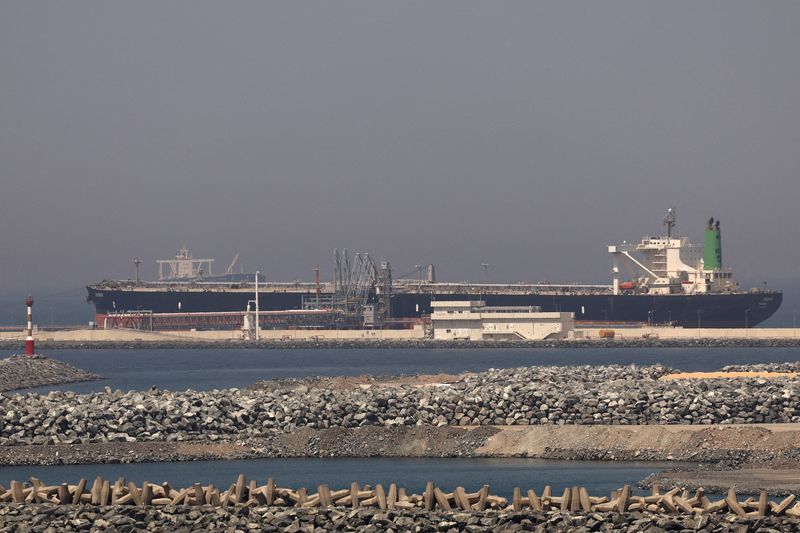
POLICY WIRE — Washington D.C., U.S. — It’s a dance as old as maritime trade, but with a twenty-first-century twist: vessels disappearing from radar, transponders suddenly quiet, vast tankers performing a ghost ballet across international waters. The Strait of Hormuz, a choke point through which a third of the world’s seaborne oil passes, isn’t just witnessing routine commerce these days. It’s hosting a clandestine shipping network, reportedly spearheaded by the United Arab Emirates, designed to spirit ‘hidden’ oil—its origin often murky—to eager global buyers, circumventing the kind of scrutiny most legitimate traffic attracts.
This isn’t about rogue captains freelancing on the high seas. This is sophisticated stuff, an elaborate logistical operation using aging ships, flags of convenience, and techniques perfected by sanctioned nations, now seemingly adopted by a key U.S. ally. It’s happening, sources close to global shipping intelligence say, with the full knowledge—if not the active orchestration—of elements within the Emirati establishment. It’s a pragmatic pursuit of petrodollars, don’t doubt it, but it certainly rattles some cages in Washington.
“We observe these anomalies; anyone with a satellite dish and a rudimentary understanding of maritime tracking can,” noted Sarah Davies, a senior analyst with Global Watch Insights, speaking to Policy Wire from London. “When a 200,000-ton vessel suddenly ‘blinks out’ near Iranian or Emirati territorial waters, only to reappear later having magically shed or acquired a substantial cargo without a declared port call—well, that’s not just a technical glitch. It’s a deliberate obfuscation, meant to bypass sanctions, often by concealing the ultimate origin or destination of the crude.” Davies suggested that these operations represent a symptom of a broader geopolitical realignment.
And these aren’t small quantities. We’re talking about potentially hundreds of thousands of barrels a day, shifting through the system in a digital fog. Such activity muddies the waters not only for those tracking sanctions against Iran or Venezuela but also for nations like Pakistan, which relies heavily on transparent, affordable energy markets. An opaque trade like this could inflate prices, destabilize supply chains, or inadvertently funnel funds to unsavory actors, directly impacting energy-hungry nations in South Asia.
Because the international system relies on trust—or at least the appearance of it—such grey-market maneuvering chips away at regulatory norms. You see, the UAE has long positioned itself as a stable, predictable player in the Gulf, a hub of finance and legitimate trade. But this kind of shadowy oil enterprise, however profitable, certainly complicates that image, especially when global powers are trying to maintain a semblance of order amidst growing discord.
Admiral Benjamin Caldwell (ret.), a former U.S. Fifth Fleet commander, didn’t pull punches. “Any nation operating in such a manner, regardless of its alliance status, directly undermines the integrity of international sanctions regimes and endangers maritime security,” Caldwell asserted. “These aren’t isolated incidents; they’re patterns. And those patterns suggest a calculated decision to prioritize short-term profit over long-term geopolitical stability. It’s bad for business — and it’s worse for regional peace.”
📄 POLICY WIRE WHITEPAPER PUBLISHED: PAKISTAN'S NATIONAL SECURITY POLICY PRIORITIES
👉 READ BY CLICKING HEREIndeed, the practice of “going dark” with Automatic Identification System (AIS) transponders, while not illegal in itself for certain operations (like naval exercises), becomes deeply suspect when used routinely by commercial vessels loaded with oil. Research from TankerTrackers.com indicates that over 100 oil tankers—many older, higher-risk vessels—regularly engaged in such activity in the region during the past year alone, with a notable percentage of those movements linked to facilities in or around UAE waters. That’s a staggering figure when you consider the sheer volume of oil they carry, and the potential implications for market transparency and environmental safety, particularly in the event of an incident with a non-compliant vessel.
What This Means
The geopolitical ripples from this sort of trade extend far beyond the glittering shores of Dubai. Economically, it introduces a layer of unpredictable supply into global oil markets, making price forecasting—already a volatile art—even more opaque. It means established players like Saudi Arabia, bound by OPEC+ agreements, might see their market share subtly eroded by these undeclared flows. Politically, Washington faces an uncomfortable dilemma: confront a strategic Gulf partner over lucrative, if questionable, dealings, or tacitly allow a crack to widen in the sanctions framework it’s worked hard to build.
For South Asian nations, and particularly Pakistan, which imported an average of 1.4 million barrels of oil per day in 2023 to fuel its growing economy, the ramifications are more immediate. Pakistan’s energy security is deeply intertwined with the Gulf. If the provenance of Middle Eastern oil becomes routinely ambiguous, it complicates financing, insurance, and the country’s ability to ensure its populace has affordable access to fuel. these ‘dark fleet’ tactics empower actors who profit from chaos, complicating any coherent regional strategy aimed at de-escalation in the Middle East.