


Marsupial Metaphors: Albuquerque’s BioPark Navigates Maternal Markets for Mother’s Day
POLICY WIRE — Albuquerque, N.M. — In a world obsessed with quantifiable affection and commodified sentiment, the humble baby kangaroo finds itself, perhaps unwittingly, on the front lines of commerce...

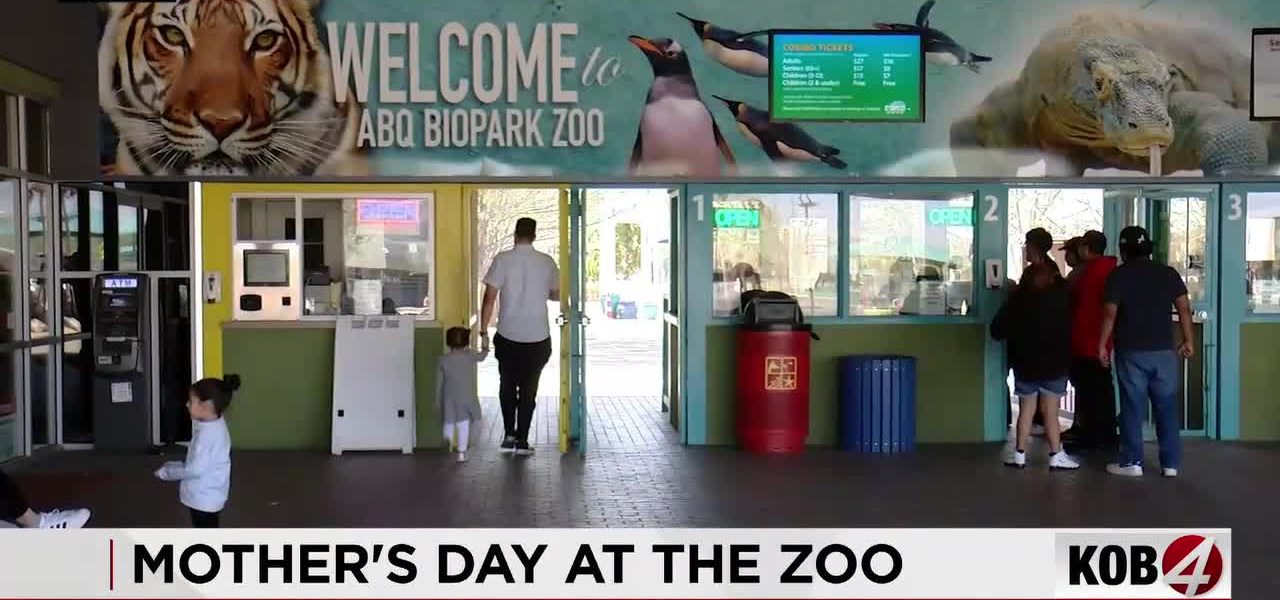
POLICY WIRE — Albuquerque, N.M. — In a world obsessed with quantifiable affection and commodified sentiment, the humble baby kangaroo finds itself, perhaps unwittingly, on the front lines of commerce this Mother’s Day. Albuquerque’s BioPark, a public institution grappling with the perennial challenge of connecting nature to net revenue, isn’t just opening its gates; it’s rolling out a veritable circus—complete with seven performance areas, the requisite family diversions, and a liquid brunch option.
Because, really, what better way to honor the sacred bond between mother and offspring—marsupial or human—than with live music, face paint, and a Bloody Mary bar? It’s a calculated affair, don’t misunderstand. Every ticket bought, every mimosa quaffed, feeds into the delicate ecosystem of urban public works. You’ve got to admit, it’s pretty savvy. The BioPark, an entity traditionally dedicated to the less glamorous science of conservation, pivots seamlessly into experiential marketing. Who’d have thought?
From 9 a.m. to 5 p.m. this Sunday, guests can shuffle through the Discovery Station. Here, they’ll learn the intricacies of kangaroo maternal care, hoping, to catch a fleeting glimpse of the new star attraction. And make no mistake, that little joey, still mostly a whisper in its mother’s pouch, is the draw. It’s the headline act, the furry, hopping metaphor for renewal and life—and a potent one for boosting attendance figures, no doubt.
“It’s not just about ticket sales, it’s about getting folks to see why these creatures, even the tiny marsupials, matter,” asserts Dr. Evelyn Reed, the BioPark’s unflappable Director of Conservation. “We’re fighting for relevance—and survival—in a world that’s often looking at a screen. You package that urgency with a dose of festive cheer, — and you’ve got a shot.” She’s probably right. It’s a competitive landscape, after all, competing with everything from streaming services to organized youth sports.
The event itself reads like a carefully curated spread of accessible amusements: music acts, various food stalls, and the aforementioned adult beverages. And, yes, there’s face painting for the younger demographic. They’ve truly thought of everything, aiming for maximum demographic capture. But does this spectacle diminish the underlying mission, or does it merely provide a necessary, palatable entry point for a public increasingly detached from the wild?
But beyond the immediate festivities, the narrative here stretches globally. Consider conservation challenges across South Asia, for instance, where many zoos struggle with far more dire funding shortfalls and rampant urbanization threatening indigenous species. While Albuquerque offers mimosas to celebrate a new joey, institutions in Lahore or Karachi might be desperately seeking funds to preserve species whose habitats are vanishing faster than you can say ‘endangered.’ The juxtaposition highlights a global disparity in resources and leisure prioritization.
“These events, frankly, they’re critical touchpoints. They offer a sanctioned release, a shared public ritual in an age where genuine community ties fray,” noted Councilwoman Elena Montoya of the Albuquerque City Council. “And yeah, they pump a little cash into the city coffers, too. We don’t pretend otherwise. It’s practical populism, if you want to get analytical about it.” Her assessment? Unflinchingly pragmatic.
📄 POLICY WIRE WHITEPAPER PUBLISHED: PAKISTAN'S NATIONAL SECURITY POLICY PRIORITIES
👉 READ BY CLICKING HEREAnd speaking of numbers, public parks — and similar attractions continue to pull their weight. A 2023 survey by the National Recreation and Park Association indicated that nearly 70% of Americans visited a local park or recreation area at least once in the past year, with many citing mental well-being as a primary motivation. So the BioPark isn’t just selling kangaroos; it’s selling solace. You can see that pattern in other policy areas too, this blending of public need and private (or semi-private) initiative. It’s a trend, not an anomaly.
One might wonder if Mother’s Day, in its purest form, has been utterly subsumed by commercial imperatives, becoming just another retail opportunity. This BioPark event, however charmingly presented, sits squarely in that camp. It’s a calculated synergy of biology and market strategy, all wrapped up with a ribbon of family-friendly entertainment. Don’t think for a second it’s accidental.
What This Means
The BioPark’s Mother’s Day event is more than just a family outing; it’s a microcosmic illustration of the complex relationship between public institutions, economic pressures, and societal expectations. On one hand, it represents a savvy tactic for drawing in much-needed revenue and fostering community engagement—essential for any public park system, especially given municipal budget constraints. On the other hand, it speaks to the relentless commercialization of holidays, where genuine sentiment often takes a back seat to carefully curated consumer experiences.
Economically, such events generate immediate income through ticket sales and concessions, bolstering the BioPark’s financial viability without relying solely on taxpayer dollars or philanthropic donations. This self-sustaining model is increasingly attractive to cash-strapped local governments. Politically, they’re a low-stakes, high-reward proposition; public events tend to be popular, generating positive headlines and goodwill, making local officials look responsive to community needs without tackling thornier policy issues. They’re a political palate cleanser. But for those concerned about authenticity, it raises questions about how much these celebrations stray from their original intent. It’s the whole “giving Mom a break”—with alcohol and baby animals—versus meaningful reflection. Ultimately, it’s a transactional exchange: pay for diversion, receive a brief reprieve from daily life. For public bodies worldwide, from Albuquerque to Amritsar, learning to leverage everything for revenue is a lesson constantly being re-learned. Even Mother’s Day isn’t immune.