

The Stuffed Dog Doctrine: Fragile Futures, Abandoned Allegiances, and the Geopolitics of Cuddle Toys
POLICY WIRE — Islamabad, Pakistan — Sometimes, the quietest news — the stuff tucked away on forgotten pages, or scrolled past by frantic thumbs — speaks volumes about the global stage. It’s not the...

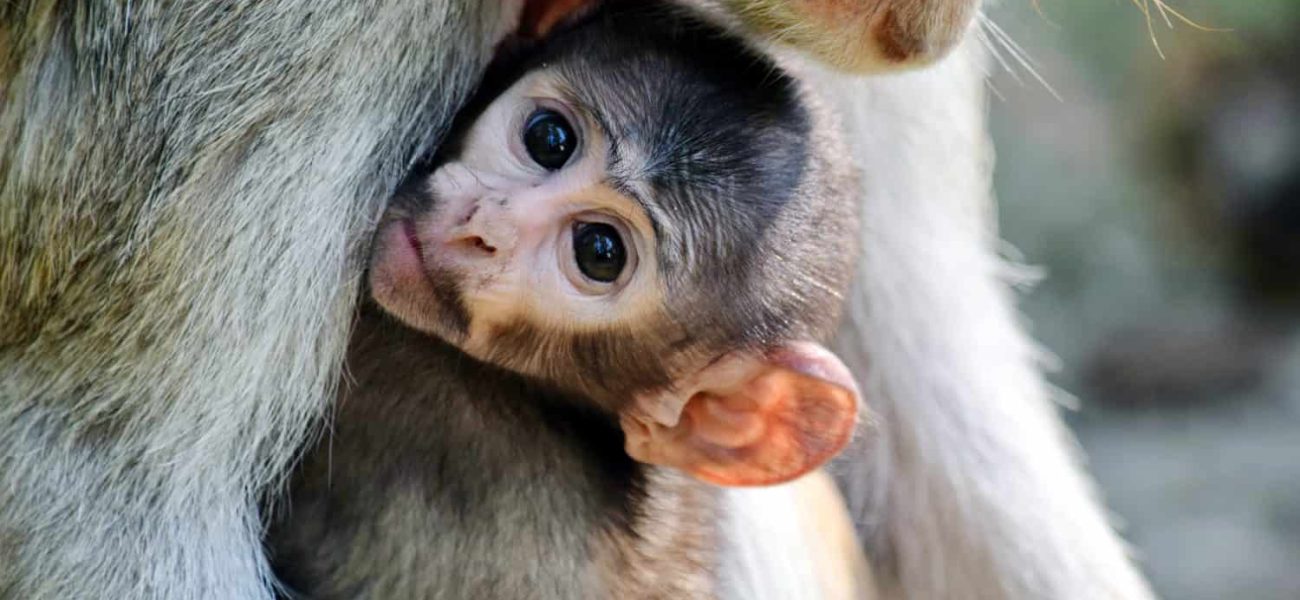
POLICY WIRE — Islamabad, Pakistan — Sometimes, the quietest news — the stuff tucked away on forgotten pages, or scrolled past by frantic thumbs — speaks volumes about the global stage. It’s not the thunderous declarations from G7 summits or the grim pronouncements from besieged capitals. It’s the story of a runt, a scrap, a mere pound of primate flesh, rejected by its own mother, finding solace in a frayed, inanimate comfort object. A baby monkey, if you can believe it, preferring a plush dog to the real thing.
It sounds whimsical, doesn’t it? But scratch beneath the surface of that tiny, desperate embrace, and you’ll find a chilling metaphor for contemporary international relations, particularly for those nations hanging by a thread, often discarded by the powers that birthed their geopolitical importance.
Consider a country like Pakistan, perpetually navigating a labyrinth of complex allegiances — and fraught borders. For decades, it’s courted powerful patrons, only to find itself, at critical junctures, in the cold. It’s a state perpetually in search of a steady hand, a reliable alliance—often finding, instead, a polite nod, a soft toy instead of substantial succor. The great powers, sometimes, they just walk away. Or worse, they offer just enough to keep you clinging, but never enough to stand on your own two feet.
But aren’t nations sovereign entities? Shouldn’t they chart their own course? Of course they should. And yet, the world isn’t built on a level playing field. One needs look no further than economic data. Ghost Ship’s Passage: How One Tanker’s Journey Through Hormuz Whispers Global Anxiety is a reminder of the global interconnectedness.
Pakistan, for example, is projected to achieve a GDP growth rate of just 1.7% in 2024, according to the World Bank’s January report—a figure barely outpacing population growth and leaving little room for structural reforms. These aren’t just numbers; they’re the silent screams of an economy struggling to provide for its roughly 240 million citizens, many of whom are under the age of 30.
And when genuine investment or equitable trade deals become scarce, what’s left? Symbolic gestures. A military aid package that’s really about proxy battles. A soft loan here, a cultural exchange program there. They’re like that stuffed dog, offering a semblance of comfort but utterly lacking in sustenance. They don’t address the systemic problems—the climate vulnerabilities that threaten agricultural output, the chronic debt, the persistent energy crises. No, they don’t.
📄 POLICY WIRE WHITEPAPER PUBLISHED: PAKISTAN'S NATIONAL SECURITY POLICY PRIORITIES
👉 READ BY CLICKING HEREAmbassador Rashid Khan, a former Pakistani envoy to Brussels, didn’t mince words in a recent off-the-record chat. “We appreciate the rhetoric, the hand-wringing on international forums, but when the monsoon floods wipe out half our agricultural capacity, are we getting cranes and bulldozers, or are we getting polite suggestions for austerity?” His exasperation was palpable. “It’s the diplomatic equivalent of offering a stressed father a coloring book. We need policy muscle, not sentimental gestures.”
But Washington sees it differently, naturally. “Our engagement in South Asia remains multifaceted — and robust,” asserted Dr. Elara Albright, a senior fellow at the Center for Global Policy—a well-known D.C. think tank often mirroring State Department views—in a recent virtual briefing. “We’re focusing on institutional capacity building, education initiatives, — and strengthening democratic processes. It’s about empowering partners to be self-reliant, not perpetual dependents.” Empowerment. Self-reliance. Noble sentiments, to be sure, when the alternative is watching another fragile entity slip further into instability.
It’s this stark dichotomy that the baby monkey inadvertently highlights. Its vulnerability isn’t just biological; it’s a policy failure. The mother’s rejection, a grim reminder of nature’s indifference. Its attachment to a surrogate? That’s where the system breaks down. It’s where the desperate, the dispossessed, or the simply unlucky latch onto whatever artificial comfort they can find—be it a regional power’s fickle attention, a populist strongman’s hollow promises, or even an ideology that offers easy answers to impossibly complex questions. These attachments, tenuous as they’re, become lifelines.
What This Means
This little monkey, this tiny symbol of dependency and displacement, inadvertently shines a spotlight on a glaring truth in international relations: sentiment often outweighs genuine, impactful action. Policy decisions in many capitals are less about fostering long-term stability in vulnerable regions and more about managing optics or short-term strategic interests. This approach—this ‘stuffed dog doctrine’—perpetuates cycles of dependency and instability. When a nation is left to cling to insufficient surrogates, whether they’re fickle alliances or piecemeal aid packages, it delays the necessary, hard conversations about structural reform and genuine partnership. And this isn’t just about charity; it’s about global security. Because an unstable Pakistan, grappling with a climate crisis or economic collapse, doesn’t just affect its own people. It reverberates through a critical geopolitical fault line, influencing everything from nuclear proliferation anxieties to regional migratory pressures—a lesson Europe’s already learning, as explored in Berlin’s Asylum Alchemy: Why Germany’s Struggling to Make EU Reforms Stick. A truly resilient future requires more than just patting the figurative head. It demands actual investment, difficult diplomacy, and a recognition that some rejections—some abandonment—leave wounds that mere toys can never heal.