
Embers of Neglect: An Abandoned Albuquerque Business Mirrors Urban America’s Lingering Crises
POLICY WIRE — Albuquerque, N.M. — It wasn’t the blaze itself that captured the full measure of the city’s weary heart, not entirely. It was what burned. Just another abandoned shell on...

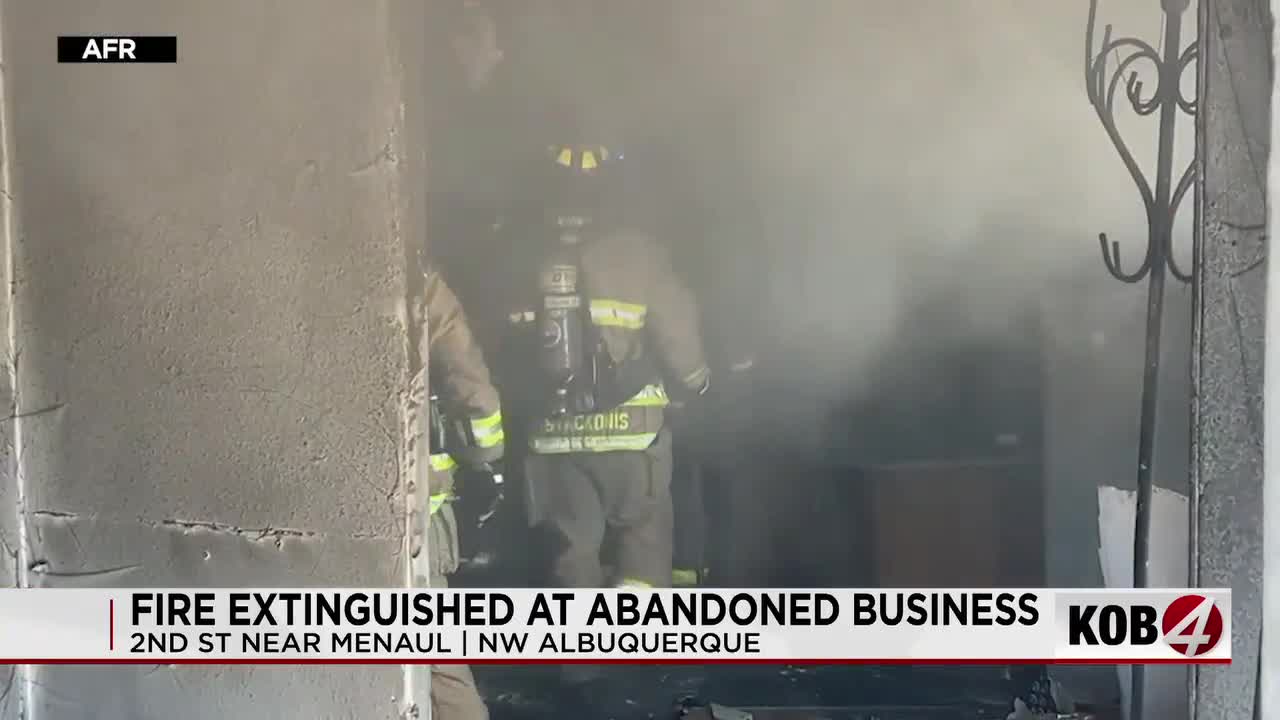
POLICY WIRE — Albuquerque, N.M. — It wasn’t the blaze itself that captured the full measure of the city’s weary heart, not entirely. It was what burned. Just another abandoned shell on the dusty stretch of Second Street near Menaul — a place folks don’t bother to give directions by anymore, not unless they’re telling you what to avoid. A ghost in a strip mall, a silent scream of foreclosed dreams and departed commerce, it quietly caught fire on a Thursday morning. Albuquerque Fire Rescue (AFR) rolled up, hoses unfurled, putting paid to the smoke — and the slow-motion decay within.
They found it around 10:30 AM, flames licking at a front room. The kind of accidental fire, AFR concluded, that often stems from human occupancy—even when nobody’s officially home. Signs were plain, they said: someone had been squatting inside. Someone had been living in that husk, making a corner of it their own until a spark, likely an errant heat source or cooking attempt, banished them again into the uncertain maw of the city. No injuries, thankfully. Just another footnote in the relentless, grinding ledger of urban blight.
And that’s where the real story starts, isn’t it? Because fires in abandoned buildings aren’t isolated incidents. They’re flickering warnings, symptom trackers of deeper societal ailments. New Mexico, despite its vibrant cultural veneer, is grappling with stark economic realities. The state ranks among the highest in the U.S. for poverty, with a U.S. Census Bureau report in 2022 placing 20.7% of its population below the poverty line, far exceeding the national average. That translates, predictably, into desperate circumstances for a significant portion of its residents. When legitimate shelter becomes an unattainable luxury, empty structures become an unwelcome necessity. The fire department doused the immediate danger, sure. But the underlying tinderbox? It’s still there.
“We’re not just fighting fires anymore; we’re often responding to the fallout of poverty and the homelessness crisis,” stated Deputy Chief Amelia Sandoval, a twenty-year veteran of Albuquerque’s fire department, her voice a mix of weary resolve and unspoken frustration. “Every call to an abandoned structure diverts resources, puts our crews at risk, and frankly, tells a tale about our city we’d all rather not hear. It’s a never-ending cycle, really.” She isn’t wrong. Firefighters, it seems, are becoming inadvertent social workers, picking up the pieces where other systems have crumbled.
But the problem’s roots run deeper than simple lack of housing. Urban decay isn’t unique to Albuquerque; it’s a global affliction. Consider the sprawling mega-cities of South Asia, say Karachi or Lahore, where unchecked urbanization and a flood of economic migrants often lead to vast, unregulated informal settlements. Abandoned, partially constructed, or derelict buildings become ad-hoc homes for millions. It’s a parallel—though geographically distant—narrative of informal economies and survival. Like the economic forces shaping even glamorous sectors, the stark reality of insufficient public housing and strained social safety nets drives identical desperate ingenuity everywhere, from the arid American Southwest to the bustling deltas of the subcontinent.
City Councilwoman Elena Marquez, whose district includes the neglected corridors around Second Street, minced no words when Policy Wire pressed her on the systemic issues. “This isn’t rocket science. It’s basic economics — and public welfare,” she asserted, a palpable edge in her tone. “We see businesses flee, properties sit empty, — and then, naturally, people find places to sleep. Because they don’t have anywhere else. We can send AFR out there all day, every day, but until we address the root causes – a severe lack of affordable housing, mental health resources, and economic opportunity – these kinds of ‘accidents’ are going to keep happening. And we’re all going to pay for it, one way or another.” She’s got a point. You can’t just mop up the spills; you’ve got to fix the leaky pipes.
What This Means
The quiet tragedy of an accidental fire in a deserted Albuquerque storefront speaks volumes about the American urban landscape. Politically, it signals a perpetual resource drain on emergency services, forcing fire departments and law enforcement into roles beyond their core competencies, effectively turning them into the last line of social support for communities struggling with poverty and homelessness. Economically, these incidents highlight a failure of urban planning and revitalization; empty commercial properties, rather than being repurposed for affordable housing or community services, become vectors for instability and expense. They depress property values, deter new investment, and, frankly, diminish the quality of life for residents nearby. The subtle irony, of course, is that the cost of extinguishing these symptomatic blazes — in manpower, equipment, and administrative overhead — often dwarfs what might be invested upstream in preventative social programs or strategic urban development. It’s an inconvenient truth that fixing broken people is almost always cheaper than constantly patching up broken places, but the political will to enact that forward-thinking, preventative work remains frustratingly elusive in many quarters.