


IPL’s Gilded Cage: Leadership Misfires Sink Lucknow’s Star, Echoing Regional Disarray
POLICY WIRE — Lucknow, India — There’s a certain grim theatricality to professional sport, especially when fortunes turn spectacularly sour. Before the last wicket has fallen, before the final coin...

POLICY WIRE — Lucknow, India — There’s a certain grim theatricality to professional sport, especially when fortunes turn spectacularly sour. Before the last wicket has fallen, before the final coin toss, the post-mortem often begins, stark — and unsparing. For the Lucknow Super Giants (LSG), that grim performance review isn’t just on the horizon; it’s a cold, hard present.
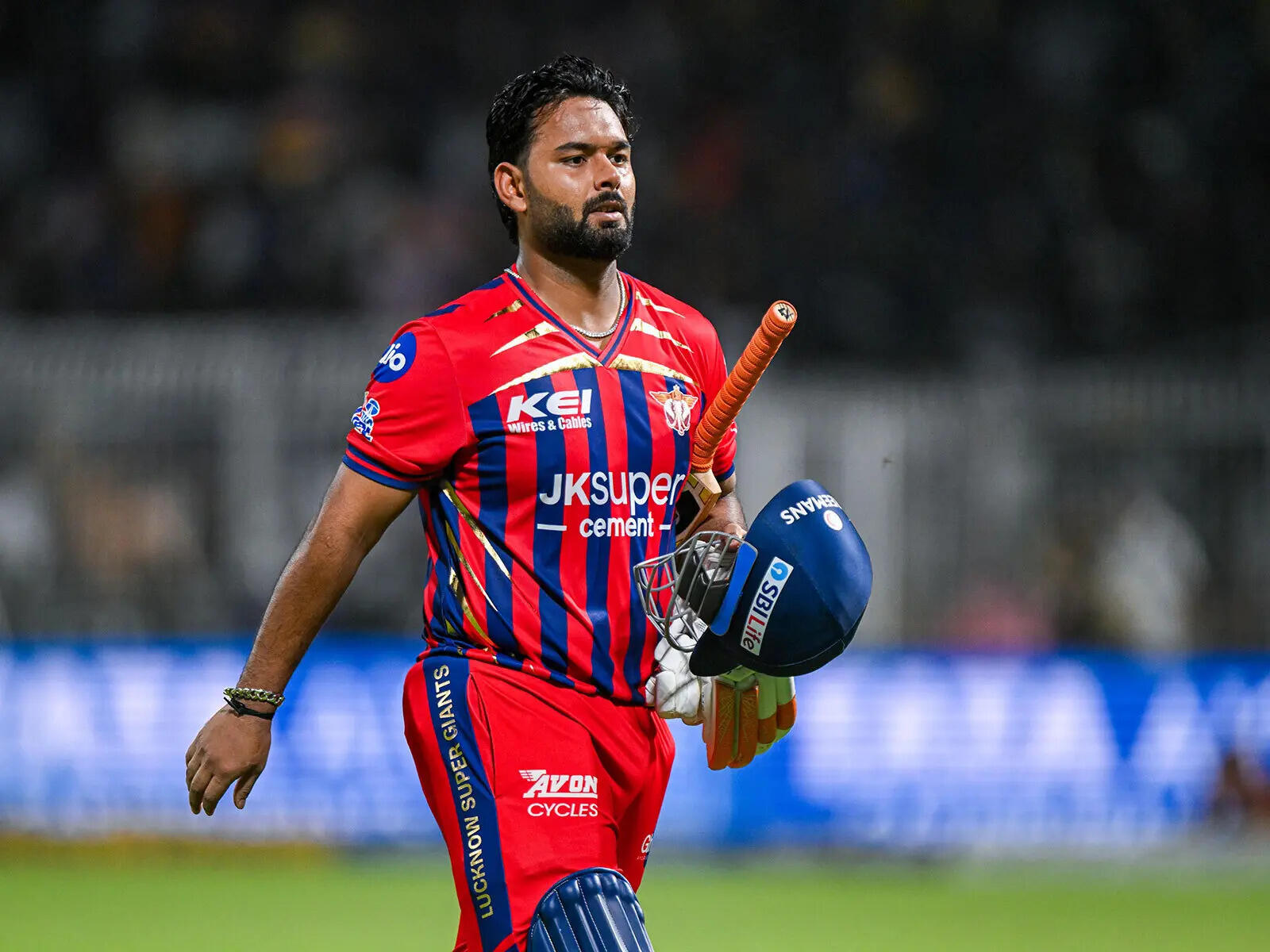
You might think a squad assembled with deep pockets and marquee names would navigate the treacherous currents of the Indian Premier League with a steady hand. You’d be wrong. Dead wrong. Because beneath the glittering facade of IPL 2026, where billion-dollar franchises spar for regional bragging rights, LSG captain Rishabh Pant has laid bare an organizational affliction that’s less about bat and ball, and more about boardroom dysfunction.
“The only thing is moving with more clarity,” Pant, often a charismatic figure, told reporters ahead of their do-or-die clash against Royal Challengers Bengaluru. His voice, usually brimming with the casual confidence of youth, carried an almost weary resignation. “We know we’re the top players, but at the same time, when clarity is missing sometimes, it can happen in cricket.” It’s an understatement, really. A monumental problem, if we’re honest. The franchise has become a case study in how not to manage high-stakes talent—a corporate leadership misstep played out on a global stage.
Insiders suggest that the malaise goes deeper than just a few tactical blunders. “It isn’t merely about player performance on the day; it’s the ripple effect of instability, of constant tinkering without a clear long-term strategy,” an unnamed senior LSG team official, speaking off the record, revealed. “When key personnel aren’t aligned, don’t know their roles week to week, you see the result. It’s frankly quite unsettling for everyone involved—from the top brass down to the support staff.” Because, as in any high-pressure environment, talent alone can’t bridge a chasm of indecision. Pant’s admission points to a kind of executive drift—a lack of steadfast vision that has left the team adrift. And it’s cost them dearly.
Consider the cold numbers: after nine matches, LSG scraped together a mere four points. Compare that to the defending champions, Bengaluru, sitting pretty with twelve points from the same number of games. Pant, himself, hasn’t been immune to the season’s rot. Despite his established prowess, he’s managed just 204 runs in those nine innings, averaging a modest 25.50—a far cry from the explosive contributions expected of a player of his caliber, according to official IPL statistics.
This isn’t just a sporting blip; it’s a cautionary tale echoing across South Asia’s burgeoning sports-industrial complex. In a region where cricket transcends mere entertainment to become a significant economic engine, a national pastime, and even a point of soft power diplomacy—as evidenced by the massive fan bases from Karachi to Dhaka tracking IPL outcomes—such visible disarray can have broader implications. It puts a dent in investor confidence, challenges brand narratives, and, crucially, tests the allegiance of a fiercely passionate fan base, many of whom regard their teams with almost familial devotion. The long game of sporting economics, you see, hinges on consistent performance, not just flashes of brilliance. And it relies on solid, coherent leadership, not a revolving door of tactical theories.
What This Means
The LSG debacle, led by Pant’s unusually candid critique, isn’t just about a team likely missing the playoffs. It’s a microcosmic illustration of what happens when organizational leadership fumbles in plain sight. In any corporate structure, clarity of roles — and strategic stability are non-negotiable. Without it, even the most talented employees—or cricketers, in this case—are left flailing, second-guessing, unable to execute. This isn’t academic, it’s practically textbook business. The pressure on Pant isn’t just to score runs; it’s to navigate a system that seems to be pulling itself apart from the inside, while maintaining a stoic front for millions. That’s leadership under duress. What LSG is experiencing—this kind of managerial entropy—serves as a brutal reminder to stakeholders everywhere: no amount of raw talent or capital expenditure can compensate for a lack of cohesive, forward-looking direction.