


The Phantom Future: Apple’s AI Promises Land in the Docket, Not Your iPhone
POLICY WIRE — San Francisco, Calif. — For too long, the digital age has rolled out on a bed of slick marketing and shimmering promises. We’ve been told the future is now, a boundless playground...

POLICY WIRE — San Francisco, Calif. — For too long, the digital age has rolled out on a bed of slick marketing and shimmering promises. We’ve been told the future is now, a boundless playground where our devices are almost sentient, always anticipating our every whim. And, sometimes, we’ve actually bought it.
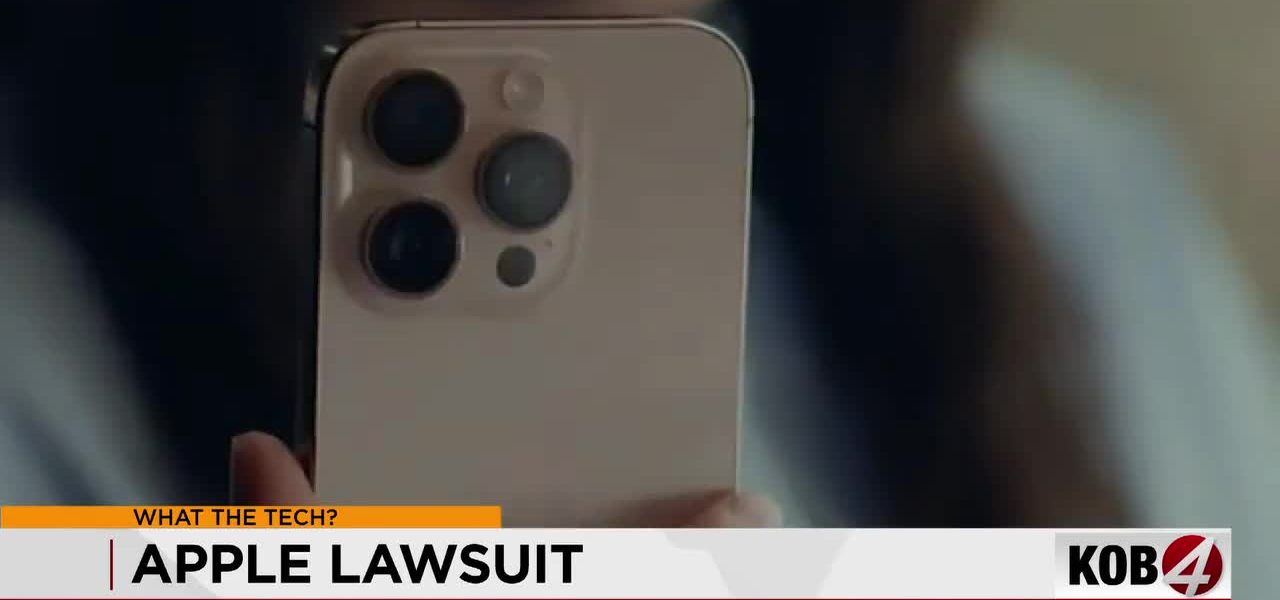
So, it comes as no great shock—though perhaps a minor disappointment to some who truly believed—that Apple, the undisputed titan of aspirational tech, is now staring down the barrel of a $250 million class-action lawsuit. The charges? Well, let’s just say a commercial featuring ‘The Last of Us’ star Bella Ramsey seemed a touch too optimistic. Her dazzling portrayal of Siri as a mind-reader, effortlessly completing complex, multi-app tasks, was apparently more fiction than even Hollywood usually delivers. Customers got a phone; they didn’t get a wizard.
This isn’t about mere bugs. No, this is about the features, particularly Siri and the much-hyped ‘Apple Intelligence,’ that were supposed to be there, right out of the box, on the gleaming new iPhone 16 and specific iPhone 15 models sold between June 2024 and March 2025. Siri was supposed to ‘get’ context, understand screen content, and perform multi-step actions across various applications. Imagine simply saying, ‘play that,’ when a friend texts about a new album, — and it just… works. That’s the dream Apple sold. The reality? Many users say these sophisticated features were conspicuously absent, leaving a void where breakthrough AI was meant to be.
“It’s a familiar playbook, isn’t it?” scoffed Martha Chen, founder of Consumers for Fair Tech, speaking from her D.C. office. “Tech giants dangle shiny futures, collect their cash, then leave customers holding an empty bag. This isn’t just false advertising; it’s a systemic eroding of consumer trust that we’re seeing play out repeatedly.” But her group sees some hope in this litigation. “Perhaps a $250 million bill will finally make them think twice.”
Those who bought these specific models are now eligible to join the class action, potentially recouping anywhere from $25 to a surprising $95, depending on the eventual size of the claimant pool. A small sum, yes, for a significant perceived betrayal, but perhaps a statement nonetheless. It’s a modest consolation for those who bought a device banking on cutting-edge AI that never arrived.
📄 POLICY WIRE WHITEPAPER PUBLISHED: PAKISTAN'S NATIONAL SECURITY POLICY PRIORITIES
👉 READ BY CLICKING HEREBut because these sorts of legal battles are almost as old as consumer electronics themselves, the industry, in its desperate scramble to brand every incremental software tweak as revolutionary ‘AI,’ has painted itself into a corner. Companies are announcing features often still in vaporware stages, pushing them out with the phones. Consumers, it turns out, are paying full price to become unwilling beta testers for functionality that just isn’t ready. This isn’t just Apple; it’s a sector-wide pattern, from smartphone manufacturers to smart home device makers, all desperate to ride the current AI wave before it crashes.
What This Means
This lawsuit isn’t just about a few missing Siri commands; it’s a barometer for the escalating tension between aggressive tech marketing and delivered reality. Economically, a $250 million payout, while substantial, won’t cripple a company the size of Apple, which routinely posts quarterly profits in the tens of billions. But it does introduce a new level of scrutiny for how deeply integrated, and how demonstrably real, promised AI features actually are before a product hits shelves. Regulators—and competitors—will be watching. We’re seeing a shift: the public’s tolerance for pre-announcements — and aspirational feature lists is wearing thin. Expect a slight—emphasis on slight—pivot toward more cautious product reveals, at least until the AI truly catches up to the hype.
Politically, this case could embolden consumer protection agencies globally, especially in emerging markets. Nations like Pakistan, where smartphone adoption rates are surging—IDC reported that smartphone shipments to Pakistan grew by nearly 30% in Q3 2023 alone—represent enormous, largely untapped revenue streams for tech giants. Consumers in these regions often face additional hurdles in legal redress and can be particularly susceptible to sophisticated Western advertising campaigns that may not accurately reflect product capabilities, due to linguistic or cultural barriers. If American consumers can organize and win such a case, it sets a precedent, whispering to those in Karachi or Lahore that they, too, might have a recourse. This incident could light a fuse for greater advocacy in regions where tech promises often translate into significant financial outlay for average citizens.
“This legal action, it’s not just a payout,” opined Dr. Armaan Ali, a professor of digital law at Quaid-i-Azam University in Islamabad, in an email statement. “It signals a maturing of global consumer expectations. For companies targeting the huge populations across South Asia and the wider Muslim world, the message is clear: hype without substance will incur costs, regardless of the market.” But for Apple? They’ll undoubtedly adjust their copy, maybe tone down the commercials for a bit. It’s a quarter-billion dollar reminder that the illusion of stability—or, in this case, cutting-edge intelligence—can only last so long before someone calls your bluff. They’re likely already on to the next iPhone anyway. What’s another settlement? The market barely blinks.